About decorative brass Urli bowl with carved legs.
there are objects created purely for utility, and then there are objects that become living embodiments of heritage, craftsmanship, and cultural memoryobjects that hold stories, rituals, and aesthetic philosophies within their very form. The decorative brass Urli bowl with carved legs is one such object. It stands not merely as a vessel but as an artistic and cultural symbol that bridges ancient tradition with contemporary interior design. Every curve, every carved detail, and every glow of polished brass speaks to centuries-old craftsmanship while resonating gracefully within modern spaces.
To describe this Urli bowl is to explore a tapestry woven from cultural symbolism, artisan techniques, material beauty, and design sophistication. Its presence in any room is unmistakable; it does not merely decorate a spaceit enriches it. The bowl becomes a visual anchor, a storytelling centerpiece, and a functional work of art.
I. The First Impression Warmth, Glow, and Timeless Appeal
At first glance, the decorative brass Urli bowl exudes an immediate warmth. Brass, with its sunlit golden hue, has an innate richness that captures light in a uniquely inviting way. When polished, it gleams like a soft flameradiant yet gentle, bright without harshness. When aged, it mellows into a deeper, more historic patina, echoing the passage of time and the continuity of craftsmanship. This Urli sits at the intersection of these possibilities, carrying both the luster of refined metalwork and the ancient dignity of traditional design.
The circular form of the bowl is deliberate and meaningful. In the traditions from which the Urli originatesparticularly in South Indian cultural and ritual practicesthe circle symbolizes unity, completeness, and the cyclical nature of time. The smooth, wide opening invites offerings, decorations, or simply contemplation. The bowls brass walls reflect and magnify whatever rests inside: water, flowers, floating candles, potpourri, or fruit. In essence, the Urli becomes a stage upon which light and color perform.
But what differentiates this specific Urli from simpler variations is the carved legs upon which it proudly stands.
II. The Carved Legs Sculptural Foundations of Tradition
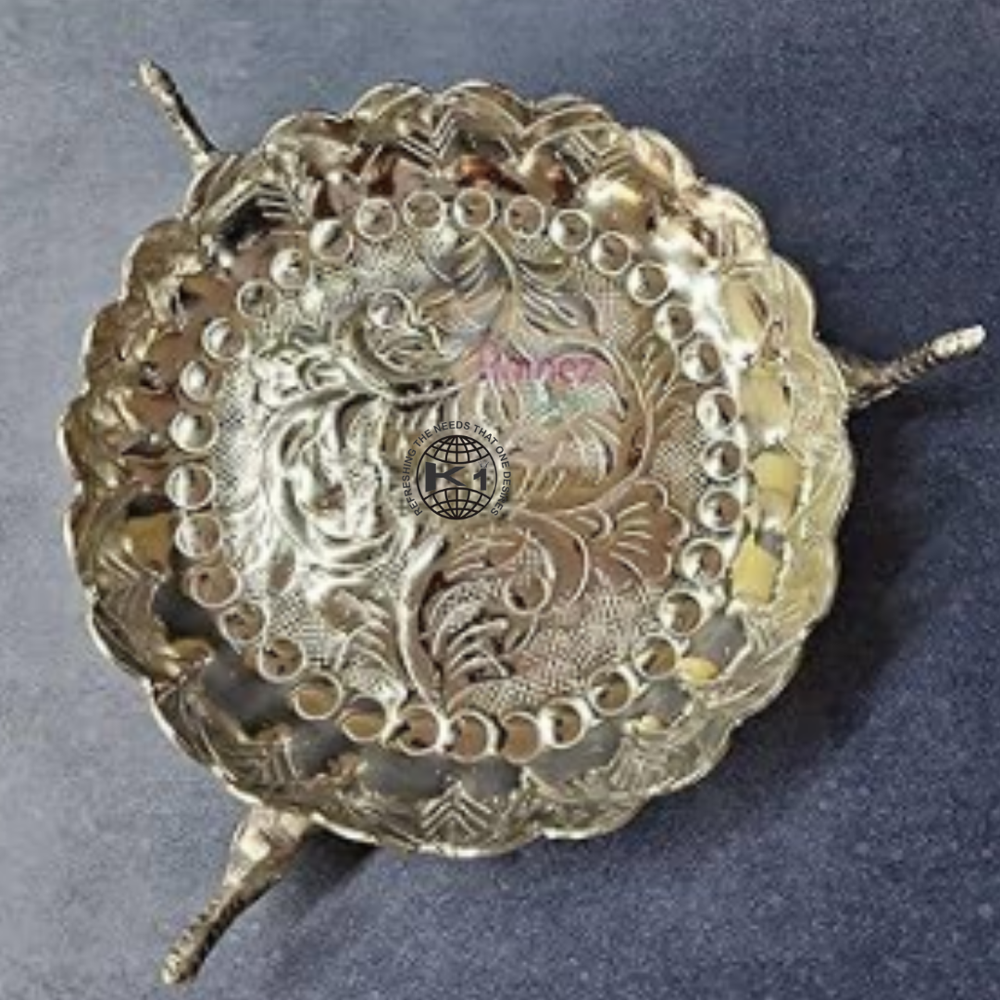
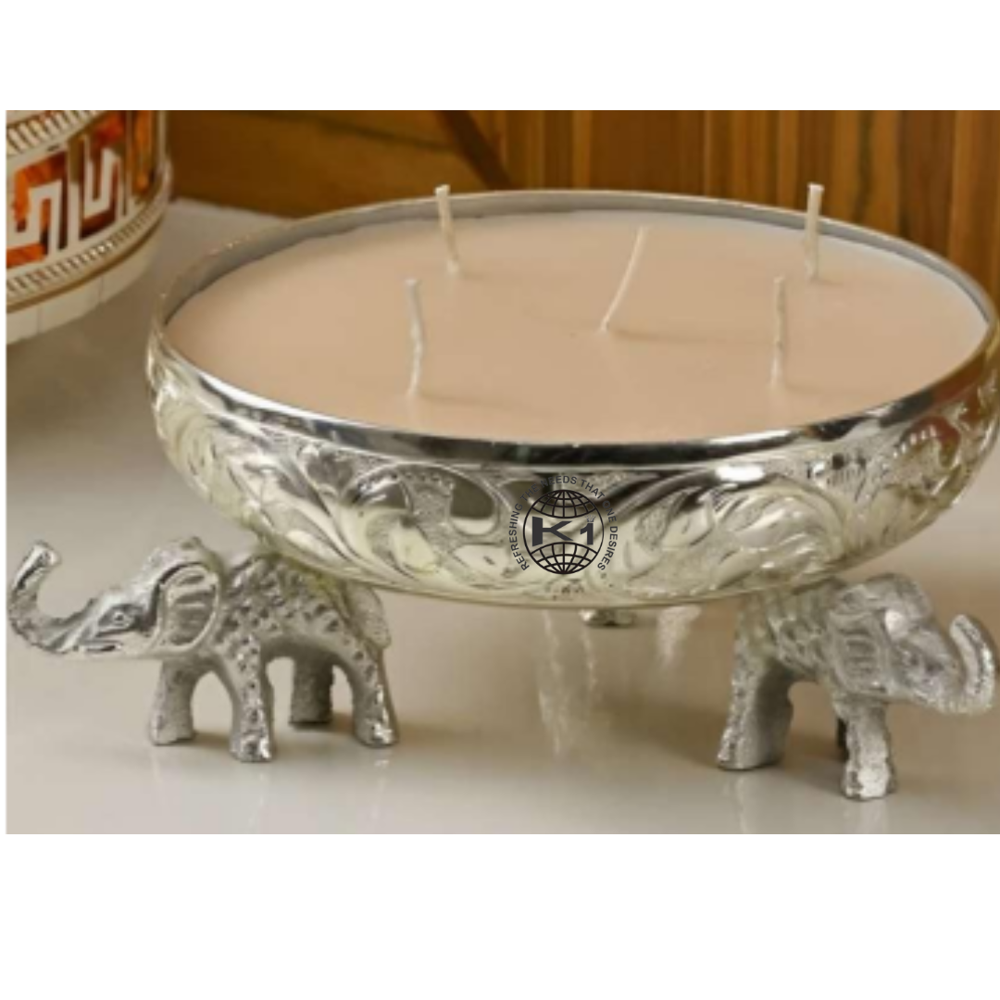
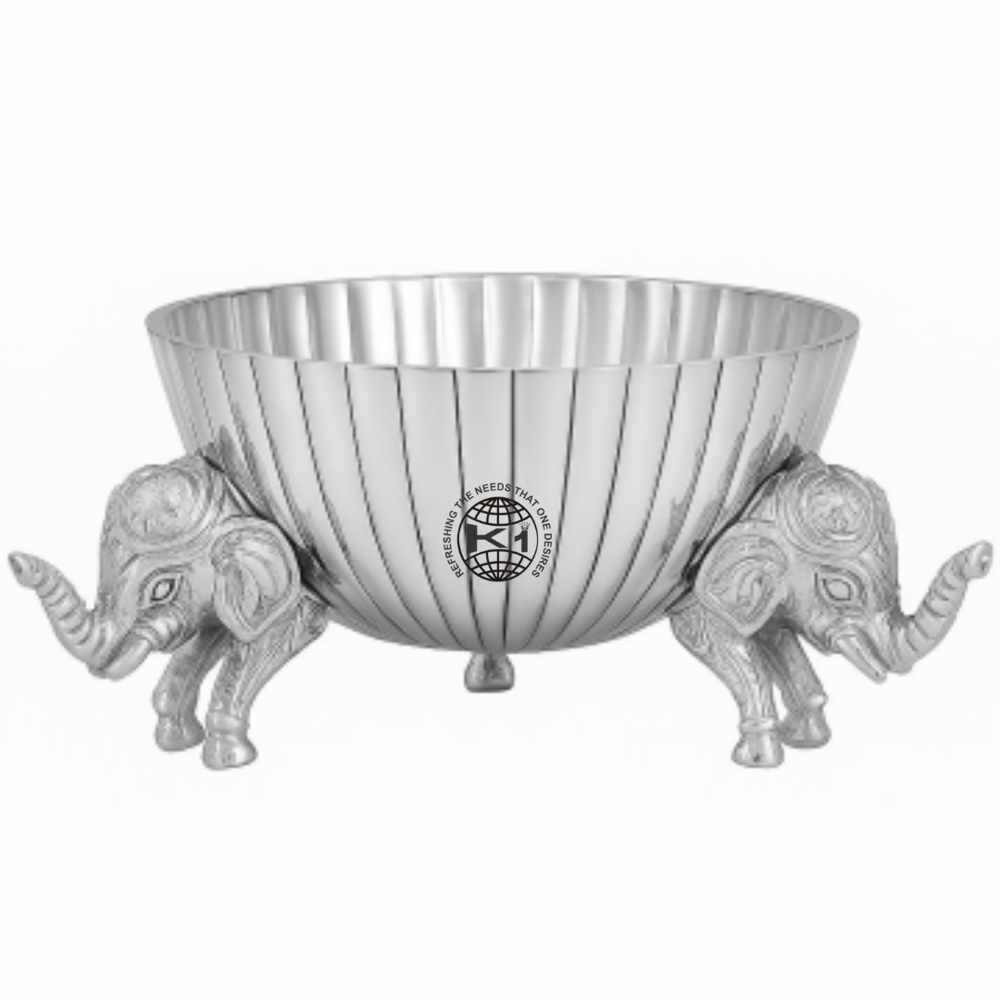
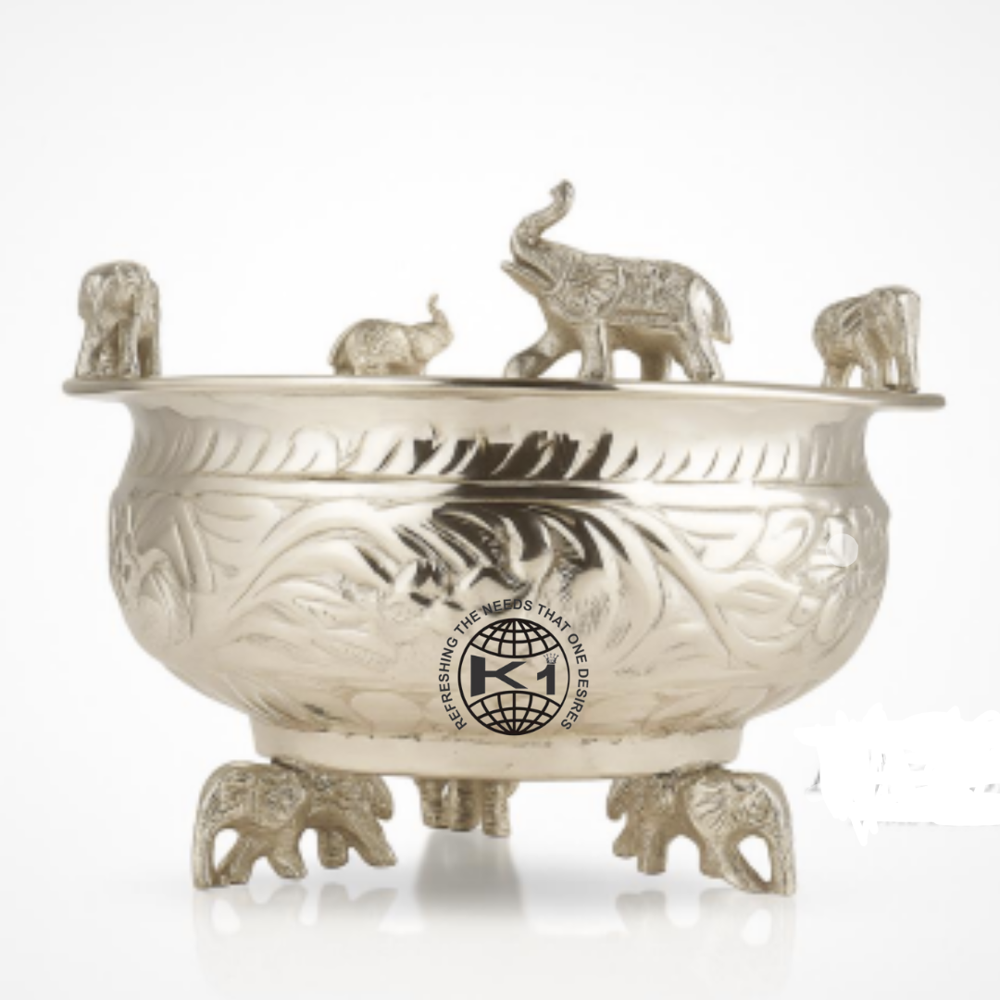
The carved legs are the heart of the bowls sculptural beauty. While the bowl itself provides a clean, fluid form, the legs introduce intricacy and cultural motif. Their presence elevates the Urli both physically and symbolically. Rather than resting flat on a surface, this Urli stands with a sense of authority, as though elevated on a miniature pedestal.
A. Artistic Craftsmanship in the Legs
Each leg is carved meticulously, either cast and hand-finished or fully sculpted depending on the artisans technique. The carvings may feature traditional motifs:
-
Floral scrolls, symbolizing purity, growth, and natures abundance
-
Paisley-like curves, echoing the movement of water and life
-
Mythical creature patterns, such as yali or makara forms, used historically in temple architecture
-
Leaf motifs, representing prosperity and renewal
-
Geometric engravings, reflecting regional metalwork styles
The legs often widen at the base for stability, then narrow and curve elegantly as they rise to meet the underside of the bowl. Some designs incorporate claw-foot shapes, while others use round lotus-like bases. Whatever the specific style, the carving transforms functional supports into artistic expressions.
B. Symbolism in the Elevated Design
Raising the bowl on carved legs:
-
Prevents contact with the ground, symbolically elevating the offering within it.
-
Invokes temple aesthetics, where sacred vessels and lamps are placed on pedestals.
-
Enhances visibility, giving the Urli a dignified form suited for decorative and ritual use.
-
Creates visual lightness, making a metal object feel airy and gracefully poised.
The legs ground the bowl both physically and culturally, rooting it in heritage while allowing it to reach toward the aesthetic sensibilities of the present.
III. Materiality and Meaning The Power of Brass
To understand the appeal of this decorative Urli, one must understand brass itself. Brass has been valued for millennia, used for coins, temple bells, ritual lamps, and ceremonial vessels. Its acoustic properties make it resonate beautifully when struck; its ability to retain shine makes it ideal for display objects; its strength ensures durability.
A. The Golden Presence
Brass carries a color that lies between gold and amberwarm, luminous, comforting. In the context of interior spaces, this warmth interacts with surroundings in deeply aesthetic ways:
-
Under daylight, brass glows with natural radiance.
-
Under candlelight, it flickers like firelight.
-
Under soft ambient lighting, it becomes mellow and antique-like.
-
Against wood or stone textures, it stands out with elegant contrast.
When water is added to the Urli for floating candles or flowers, the reflective brass surface creates a shimmering mirror, multiplying light and color.
B. Cultural Resonance of Brass
In many Indian households, temples, and ceremonial spaces, brass is linked with:
A brass vessel such as the Urli often occupies a central place during festivals, celebrations, or daily ritualseven when repurposed as a modern dcor piece.
C. Patina and Permanence
Over time, brass can develop subtle patinagreens, browns, and deep golds depending on care and environment. Many collectors cherish this aged look, which adds character and history. Others prefer regular polishing for a brilliant golden shine. The beauty of brass is that it accommodates both aesthetics.
IV. The Urli as a Cultural Object A Vessel of Tradition
The Urli traces its origins largely to Kerala, India, where it has been used for centuries for cooking, rituals, and decoration. In ancestral homes, known as tharavads, large Urlis were used for preparing feasts. Over time, smaller Urlis became central decorative objects, often placed at entrances, courtyards, or prayer rooms filled with flowers and floating lamps.
The decorative brass Urli with carved legs draws from this lineage.
A. Ritual and Festive Use
Traditionally, Urlis are filled with:
-
Water infused with jasmine or rose petals
-
Floating diyas or candles
-
Fresh marigolds, lotuses, or hibiscus flowers
-
Fragrant herbs
During festivals like Onam, Diwali, or Vishu, Urlis become living displays of light and naturea combination of elements believed to bring harmony and positive energy into the home.
B. The Transformative Power of Water
Using this Urli with water enhances its aesthetic and symbolic qualities:
-
Water adds movement and life.
-
Brass amplifies reflections, turning simple petals into glowing ornaments.
-
Floating candles create dancing patterns on the bowls inner walls.
-
The carved legs cast ornamental shadows on the surface beneath.
Thus, the Urli becomes not just a dcor object but an experienceone that appeals to sight, scent, and emotion.
V. Carved Elegance The Meeting of Texture and Form
The carvings on the legs, and sometimes along the rim, transform the Urli into a tactile piece of art. They add depth, shadow, and visual interest, allowing the eye to travel around the object rather than resting solely on its open bowl.
A. Detailed Artistry
Depending on artisanship, the carvings may be:
-
Deeply etched, creating pronounced relief
-
Lightly engraved, giving gentle surface detail
-
Symmetrical, showcasing precision
-
Organic and flowing, echoing natures curves
-
Inspired by temple sculpture, linking the bowl to sacred architecture
Each carved leg becomes an individual element of artistry, yet all contribute to a harmonious whole.
B. Contrast Between Smooth and Textured Surfaces
A key reason the design is visually striking is the contrast:
-
The bowl is usually smooth, open, and reflective.
-
The legs are textured, detailed, and matte in sections.
This interplay of surfaces enhances the sophistication of the object, making it dynamic rather than monotonous.
C. The Play of Light on Carvings
When placed near natural light or candles, the carvings cast intricate shadows. The legs gain sculptural presence, and the entire Urli seems alive with shifting patterns. It becomes a decorative object that interacts with its surroundings rather than merely occupying space.
VI. Function Meets Aesthetics Modern Uses of the Brass Urli
While deeply rooted in tradition, the decorative brass Urli with carved legs has gracefully entered modern interior design. Its uses now span across aesthetics, rituals, practicality, and dcor.
A. As a Centerpiece
Placed on a coffee table, dining table, or console, the Urli becomes a striking focal point. It can be styled with:
-
Floating petals
-
Decorative stones
-
Scented oils
-
Silk flowers
-
Fruit arrangements
-
Seasonal decorations
Its reflective interior enhances the composition, making everyday objects look artistic.
B. As an Entryway Accent
Many homeowners place the Urli near the entrance to:
A water-filled Urli with flowers is believed to attract abundance and harmony.
C. In Temple or Meditation Spaces
In spiritual corners, the Urli becomes a vessel of serenity. When filled with water and candles, it provides:
Its carved legs elevate it both physically and symbolically, making it suitable for sacred spaces.
D. As a Dry Decorative Bowl
Even without water, the Urli remains aesthetically compelling. It can hold:
-
Potpourri
-
Dried botanicals
-
Bronze bells
-
Seashells
-
Crystals
-
Incense holders
The brass contrasts beautifully with natural materials.
VII. A Sculptural Presence in Interior Design
Modern designers appreciate the Urli not just for its cultural significance but for its sculptural qualities. Its circular form, contrasting textures, and carved legs make it a versatile dcor object.
A. Harmonizing with Different Styles
The carved-leg brass Urli works across numerous interior styles:
-
Traditional: Complements wood, carvings, and textiles.
-
Modern: Acts as a warm counterbalance to glass and minimalist forms.
-
Bohemian: Integrates well with layered textures, plants, and artisanal objects.
-
Rustic: Enhances earthy aesthetics with its aged golden glow.
-
Eclectic: Provides a focal point amidst varied colors and patterns.
-
Luxury: Adds a regal golden element that stands out elegantly.
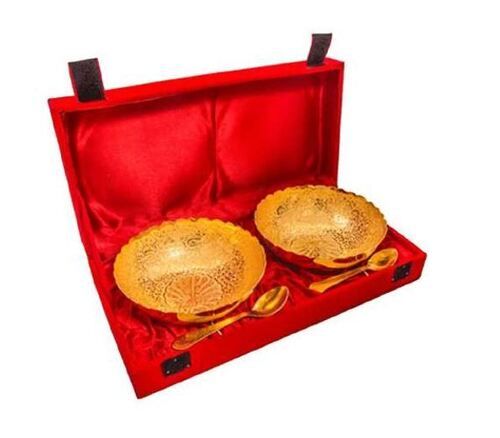
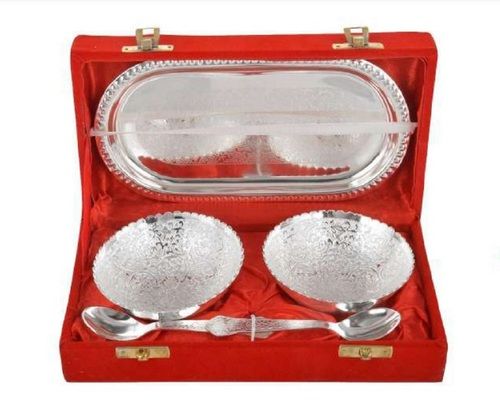
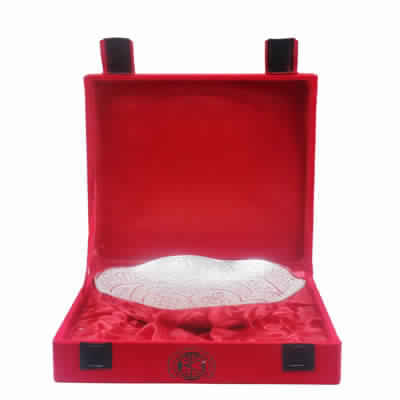
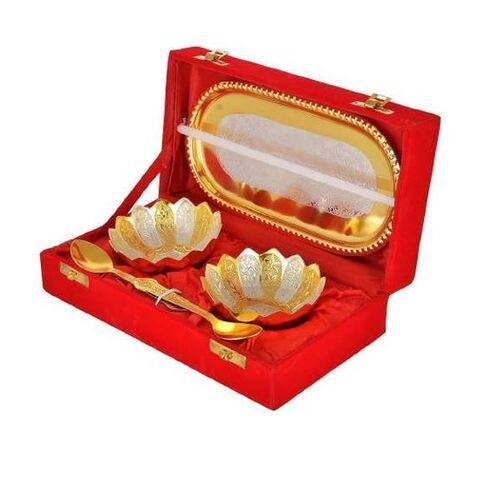
Artisanal Craftsmanship and DesignThe decorative brass Urli bowl is meticulously crafted with detailed carved legs that elevate its traditional charm. Its glossy silver finish and classic round silhouette make it a standout decor item. Every piece reflects skilled artisanship, showcasing India's rich heritage.
Versatile Decorative and Spiritual UsesDesigned for multiple applications, the Urli bowl is perfect for flower decorations in living rooms, entranceways, or at events. It also holds a prominent place in pooja rituals, serving both decorative and spiritual functions. Its adaptability makes it a favorite among interior enthusiasts and practitioners of tradition.
FAQ's of decorative brass Urli bowl with carved legs.:
Q: How can I use the brass Urli bowl for decoration or pooja?
A: The brass Urli bowl can be filled with water and adorned with fresh flowers or floating candles for an eye-catching decoration. It is also commonly used during pooja by placing sacred items or lighting diyas, adding beauty and ritual significance to your space.
Q: What makes the brass Urli bowl with carved legs unique?
A: This bowl stands out due to its intricately carved legs and elegant silver finish, combining durability with ornate artistry. The handcrafted work represents Indian tradition and elevates the aesthetics of any setting.
Q: When is the ideal time to use this Urli bowl?
A: The Urli bowl is versatile enough for daily display in your home or office, but it shines during festivals, special gatherings, weddings, or religious ceremonies due to its decorative appeal and spiritual association.
Q: Where can I place the Urli bowl in my home?
A: You can display the Urli bowl in entranceways, living rooms, prayer halls, or on tabletops. Its classic round design and decorative legs make it suitable for both indoor settings and covered outdoor spaces.
Q: What is the benefit of choosing a brass Urli bowl from an Indian exporter or manufacturer?
A: Purchasing from a trusted Indian exporter or manufacturer ensures authenticity, exceptional craftsmanship, and access to traditional designs, making the Urli bowl a valuable addition for both individual buyers and wholesalers.
Q: What is included in the set, and what is the bowl's color and shape?
A: The set includes one decorative brass Urli bowl with a silver finish, showcasing a classic round shape and artistic carved legs.
Q: How is the Urli bowl produced and supplied to customers?
A: The bowl is carefully handcrafted by skilled artisans in India, then distributed to customers globally through a network of exporters, traders, and wholesalers. Every piece is inspected for quality before reaching clients.




 Send Inquiry



 Send Inquiry
 Send Inquiry
 Send SMS


 English
 Spanish
 French
 German
 Italian
 Chinese (Simplified)
 Japanese
 Korean
 Arabic
 Portuguese