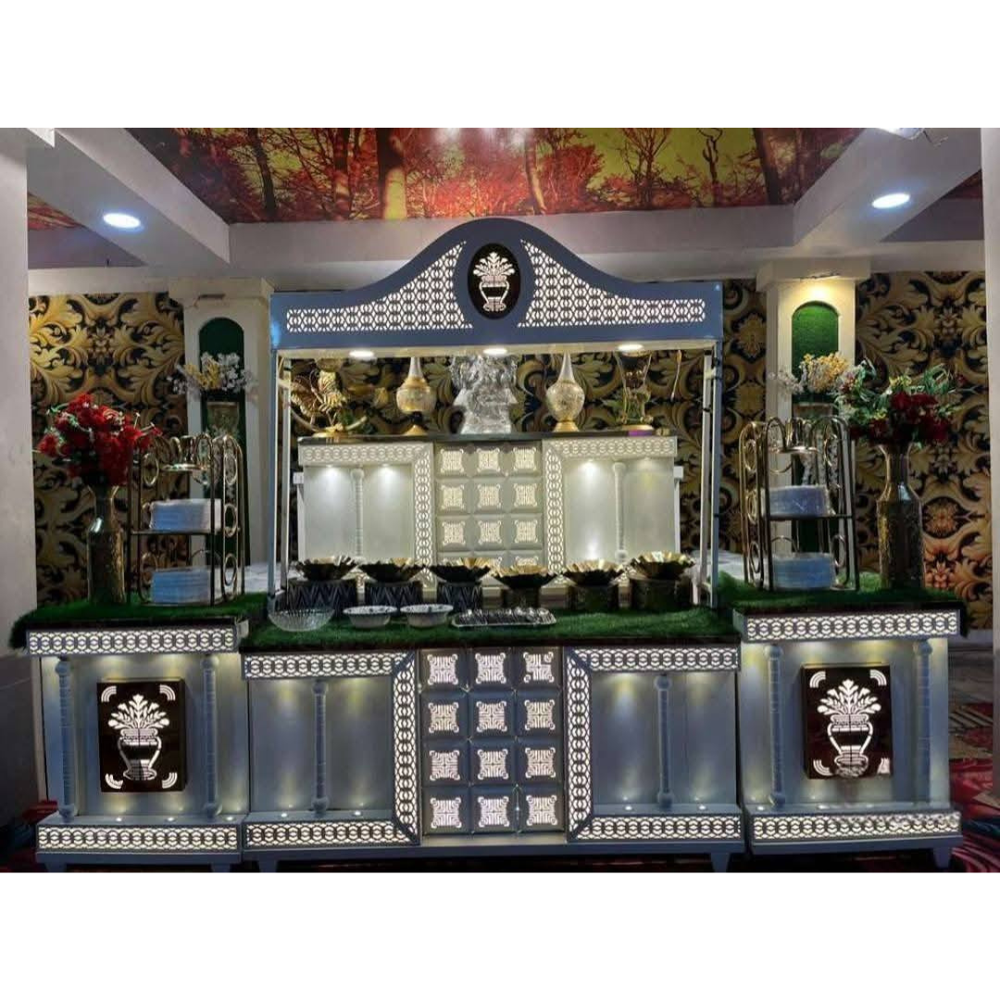
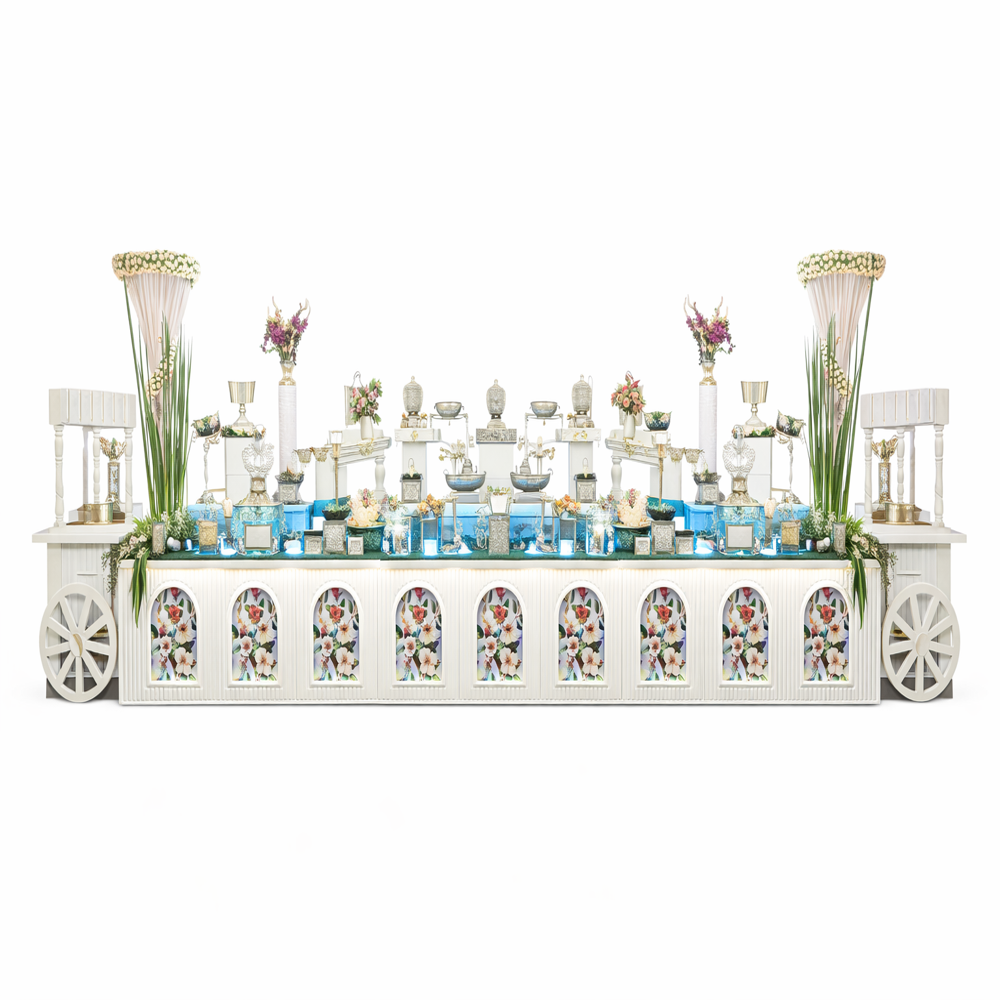
A decorative catering buffet counter is an essential element in modern event catering, designed to combine functionality with visual elegance. These counters are commonly used at weddings, banquets, corporate events, hotels, and large social gatherings where food presentation is a key part of the guest experience. A well-designed decorative buffet counter not only provides a practical space for serving food but also enhances the overall aesthetic of the catering setup. With stylish designs, attractive finishes, and organized layouts, decorative buffet counters help transform a simple dining arrangement into a luxurious and memorable presentation.
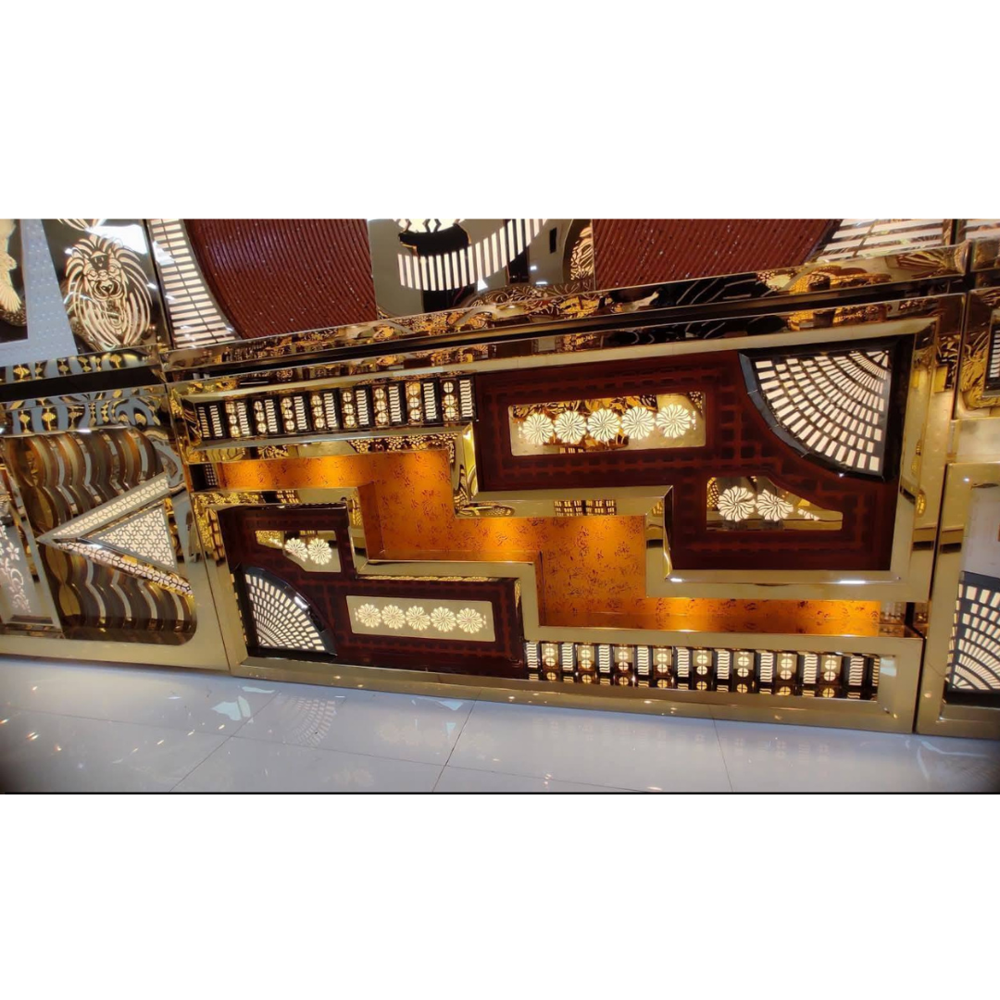
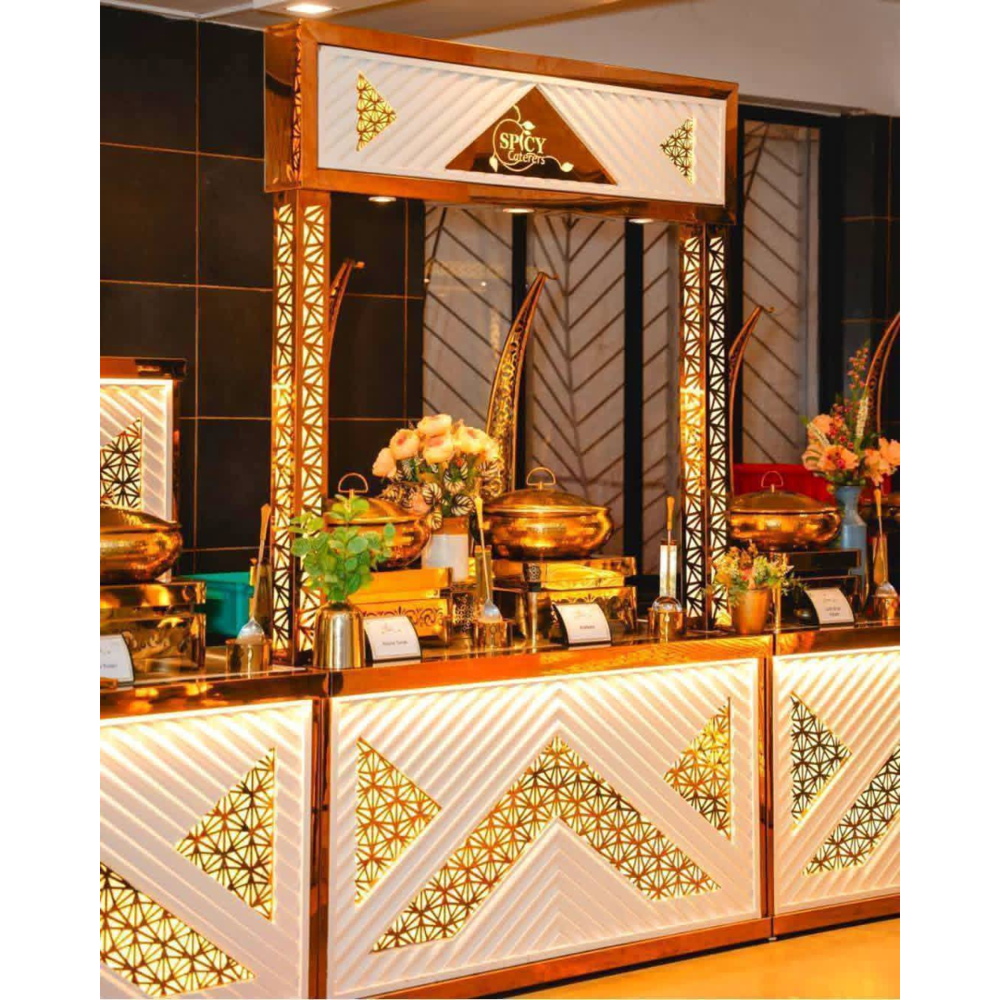
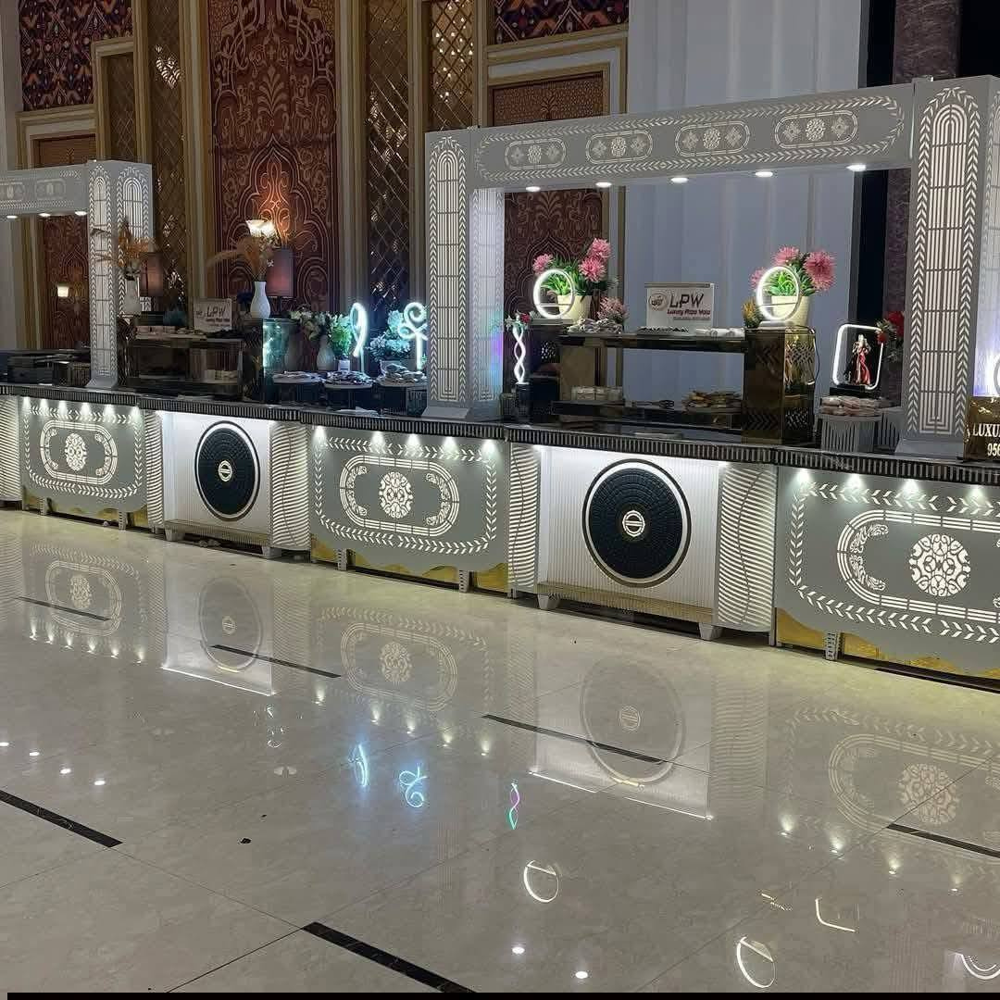
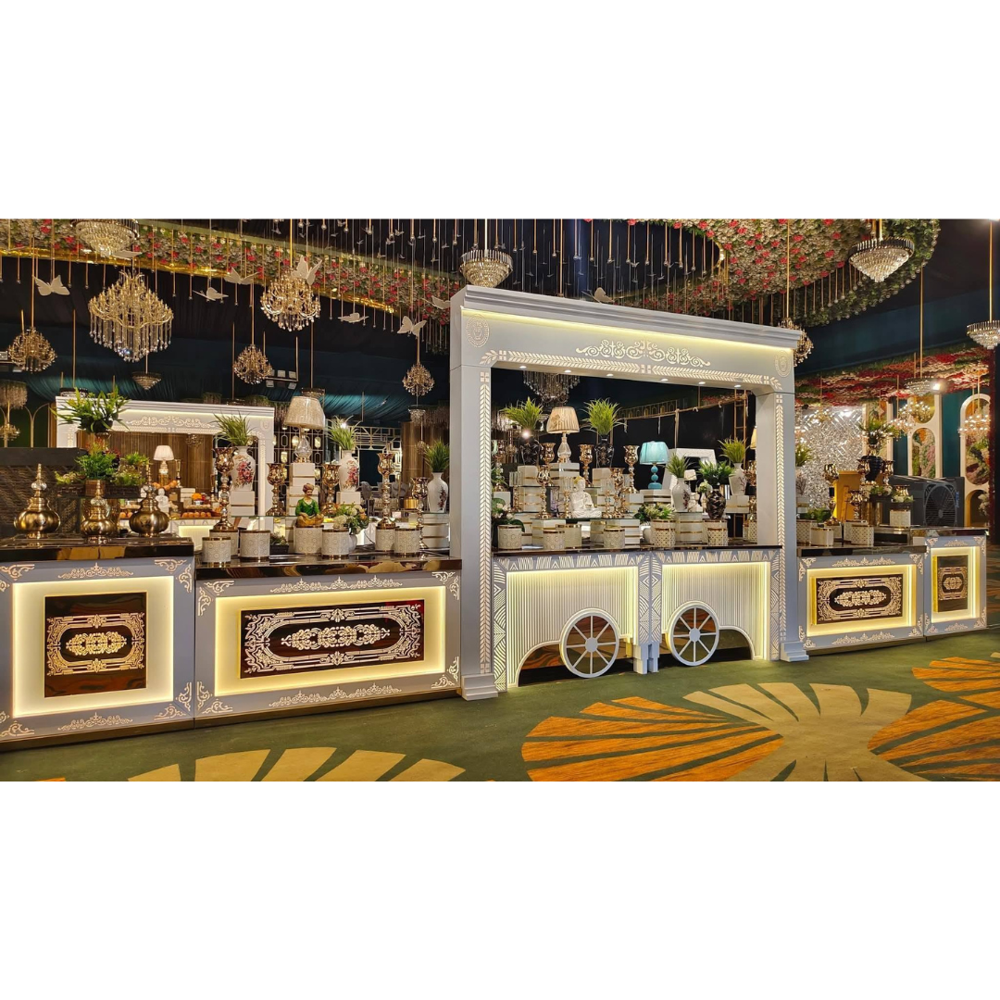
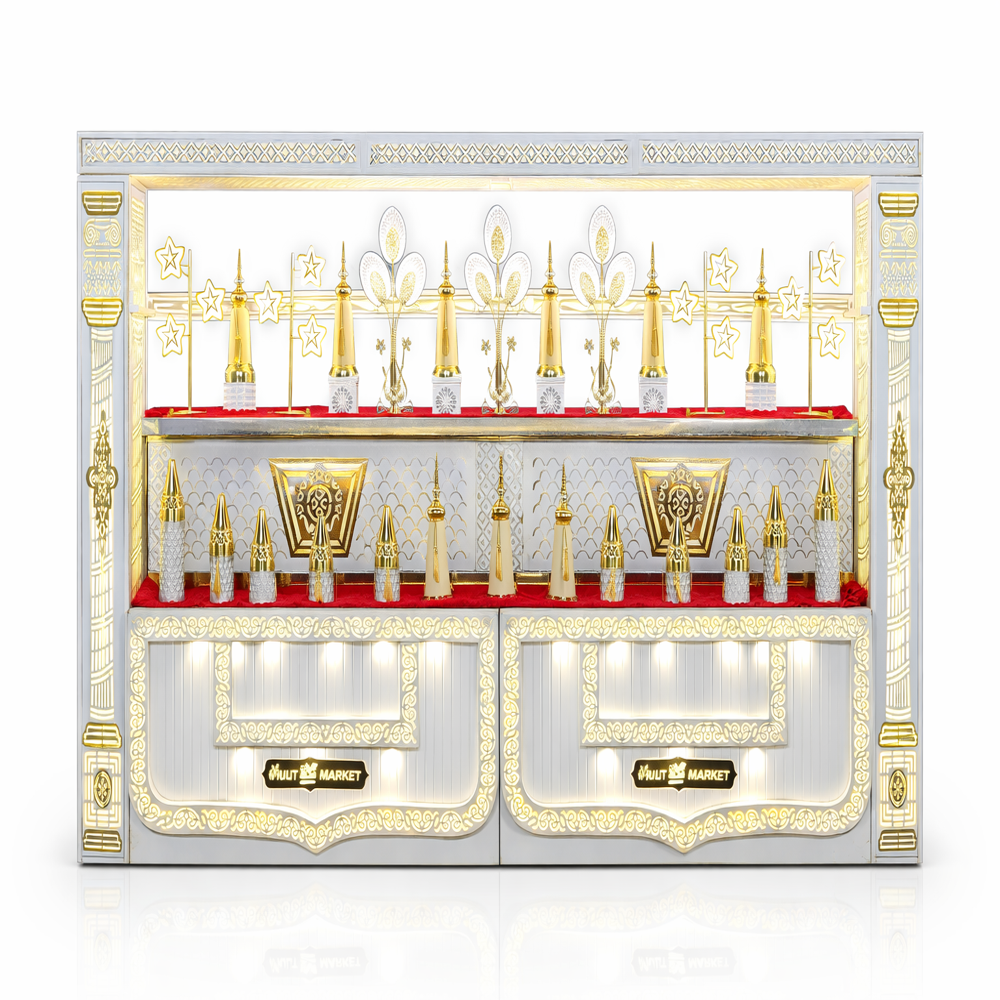
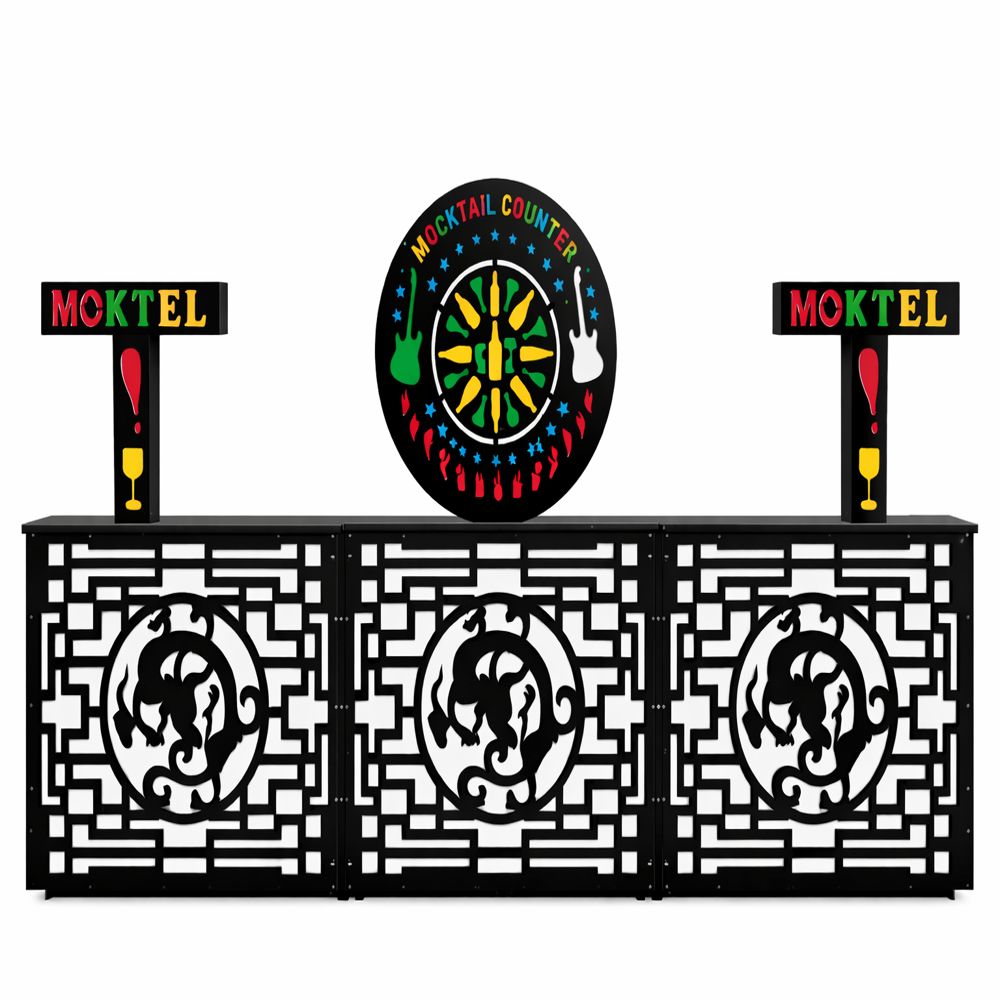
One of the most important aspects of a decorative catering buffet counter is its visual appeal. In todays catering industry, presentation plays a major role in creating a lasting impression on guests. Decorative buffet counters are designed with elegant materials and artistic elements that complement the theme of the event. Many counters feature polished metal finishes, decorative panels, acrylic designs, glass surfaces, or textured patterns that create a stylish and sophisticated look. These design features help the buffet area stand out and become a central attraction of the catering setup.
Another key feature of decorative buffet counters is their strong and durable construction. Catering events often involve serving large numbers of guests, which means the buffet equipment must be sturdy and reliable. Most decorative buffet counters are built using high-quality materials such as stainless steel, aluminum frames, or strong wooden structures. Stainless steel is particularly popular because it is resistant to rust, corrosion, and stains, making it ideal for food service environments. The sturdy design ensures that the counter can support heavy chafing dishes, serving trays, food warmers, and decorative food displays without any difficulty.
Hygiene is also an important factor when it comes to buffet counters. Since food is served directly from the counter, maintaining cleanliness is essential. Decorative catering buffet counters often feature non-porous surfaces such as stainless steel or tempered glass, which are easy to clean and sanitize. These materials prevent the absorption of liquids, grease, or food particles, ensuring that the buffet area remains hygienic throughout the event.
In addition to durability and hygiene, decorative buffet counters are designed with spacious serving surfaces that allow food to be displayed in an organized and visually appealing manner. The wide countertop provides enough room to arrange multiple dishes in neat rows or sections. Starters, salads, main course dishes, breads, desserts, and beverages can all be displayed attractively so that guests can easily view and select their preferred items. This organized arrangement not only improves presentation but also helps maintain a smooth flow of guests through the buffet line.
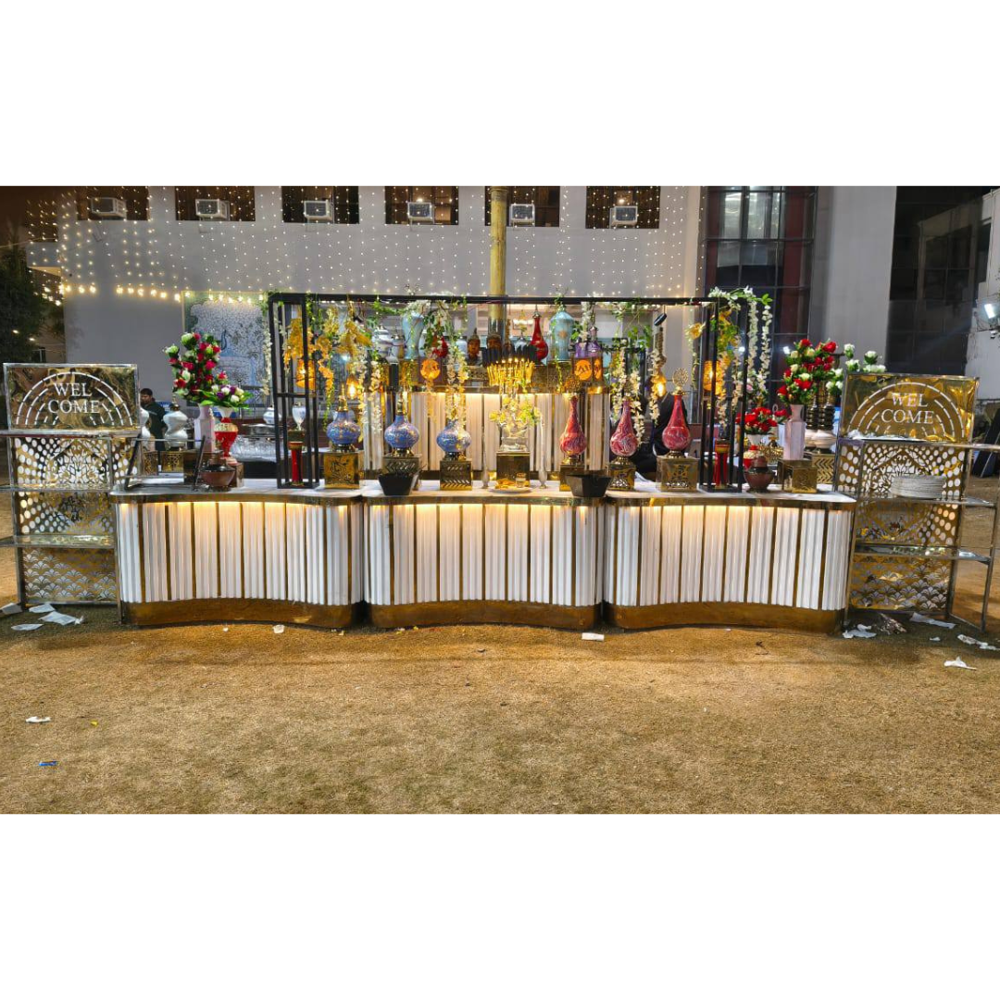
Many decorative catering buffet counters are also enhanced with creative lighting features that add a touch of luxury to the setup. LED lighting is often used to illuminate the front panels or edges of the counter, creating a soft glow that highlights the design and enhances the atmosphere of the event. This lighting effect is especially impressive during evening receptions or indoor banquets, where illuminated buffet counters create a warm and inviting ambiance.
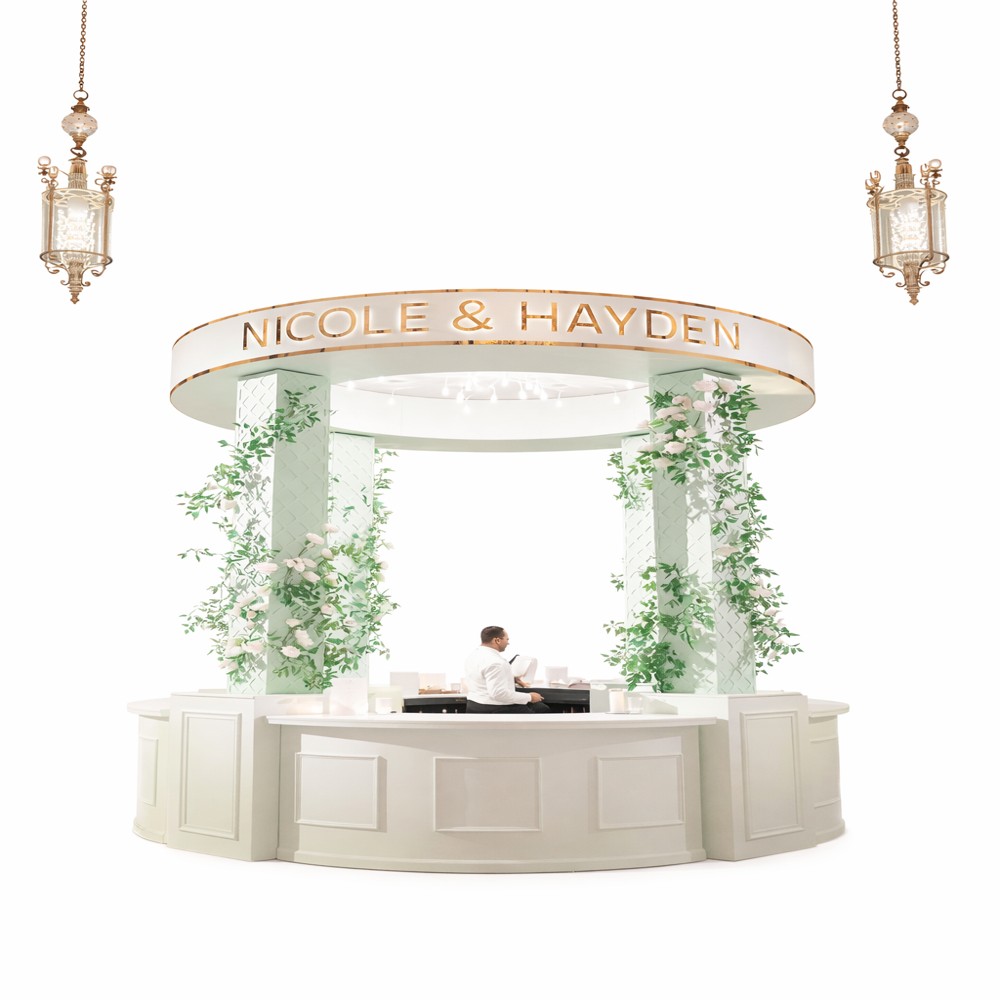
Another advantage of decorative buffet counters is their customizable design. Event planners and catering companies can choose from a variety of shapes, sizes, and styles to match the theme of the event. Straight counters are commonly used for traditional buffet lines, while curved or modular counters create a more dynamic and modern layout. Decorative panels may include floral patterns, geometric designs, mirror finishes, or colored acrylic sheets that complement the overall dcor of the venue.
Decorative catering buffet counters are often used to create multiple food stations within a catering setup. For example, one counter may be dedicated to appetizers and snacks, while another is used for the main course. Separate counters can also be arranged for desserts, beverages, or fruit displays. This arrangement not only enhances the visual presentation but also helps guests navigate the buffet easily, reducing crowding in one area.


 Send Inquiry



 Send Inquiry
 Send Inquiry
 Send SMS


 English
 Spanish
 French
 German
 Italian
 Chinese (Simplified)
 Japanese
 Korean
 Arabic
 Portuguese