A wedding is not just a celebration of love; it is a carefully curated experience where every detailfrom the venue dcor to the culinary offeringscreates an unforgettable memory. Central to the dining experience at a wedding is the catering setup, and in todays era of luxury and elegance, decorative wedding catering counters have become a focal point of both style and function. These counters go beyond the basic requirement of serving foodthey are meticulously designed to complement the weddings theme, elevate the ambiance, and provide a visually stunning presentation for guests.
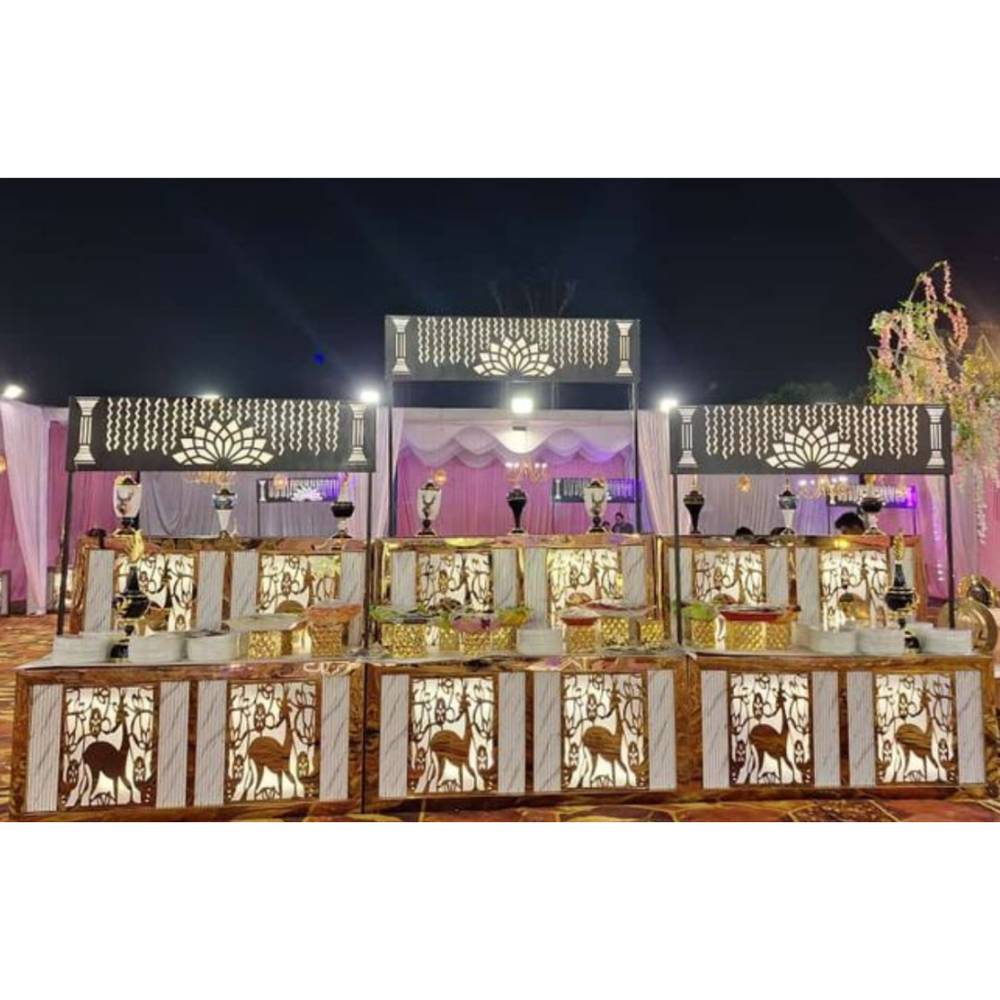
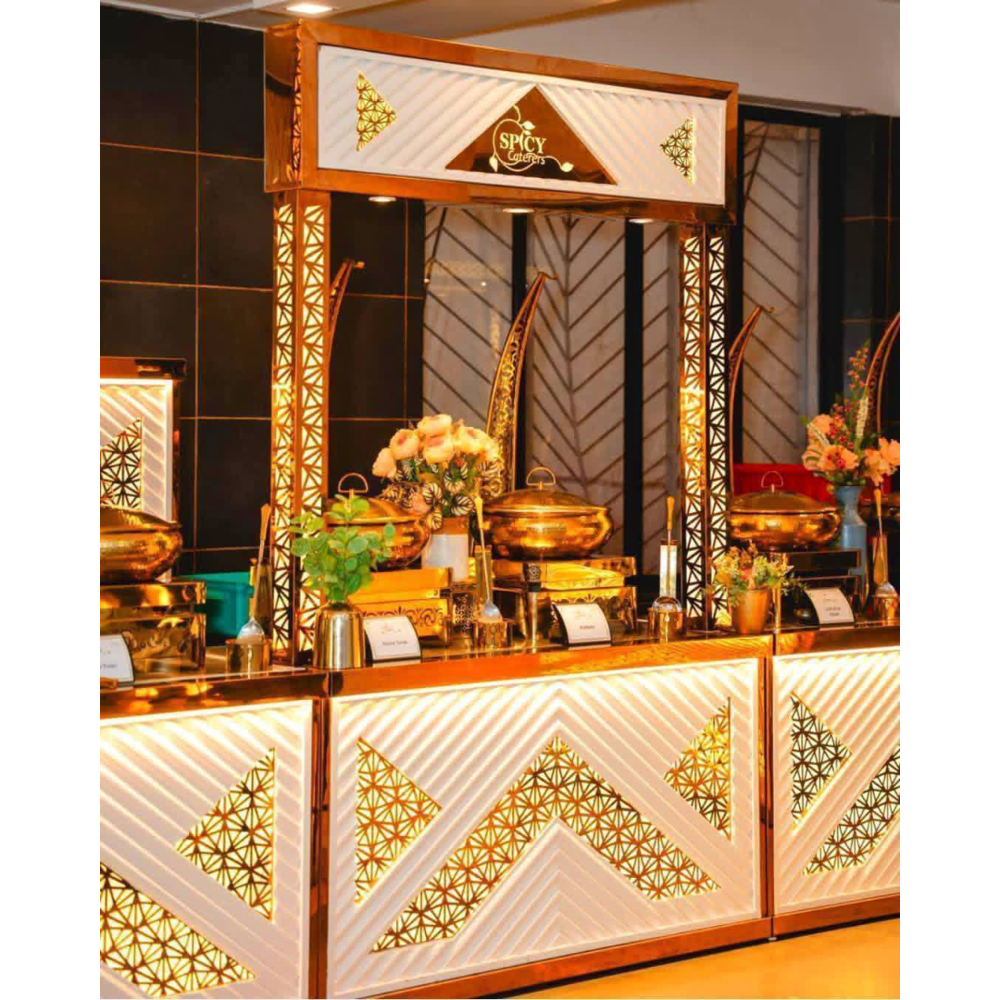
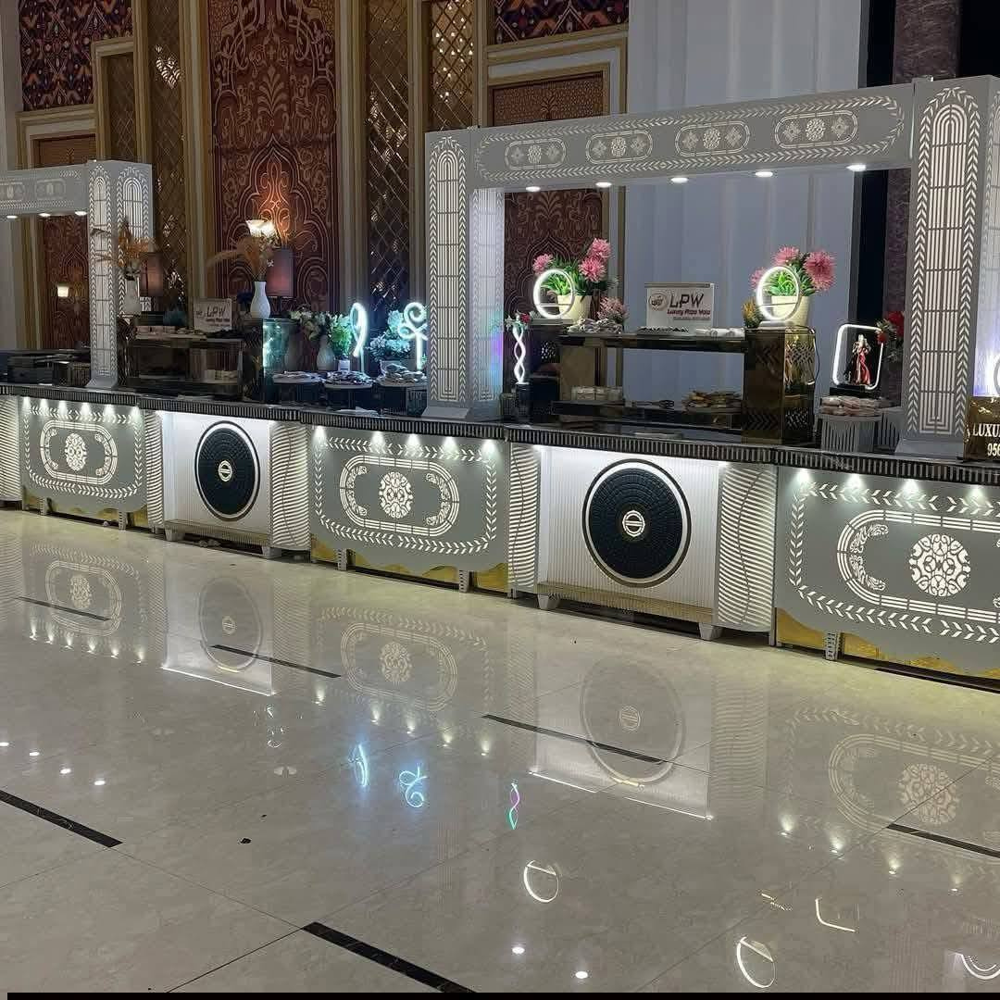
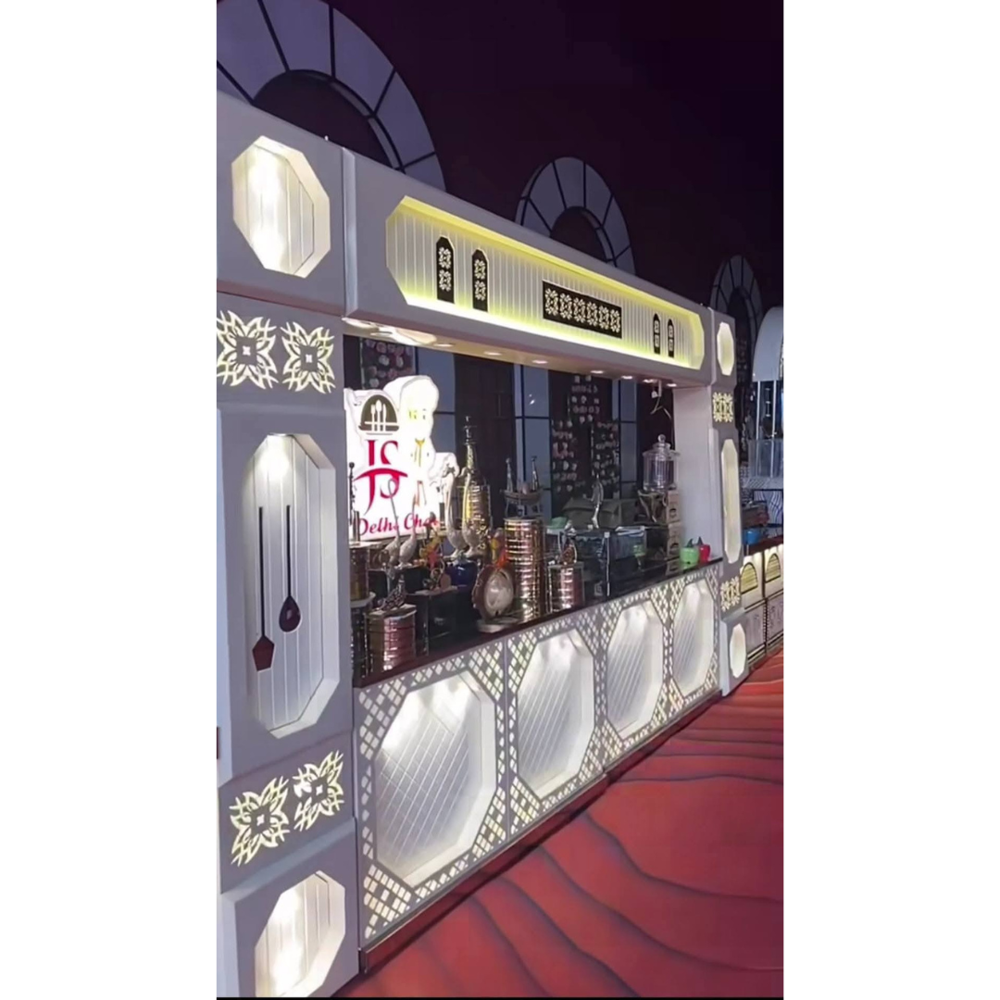
Decorative wedding catering counters serve multiple purposes. Primarily, they function as a practical station for food service, whether it is a buffet, live cooking station, or dessert display. However, in contemporary wedding design, these counters have evolved into works of art. They are often designed to match the color palette of the wedding, the style of the venue, and the overarching themebe it modern, vintage, floral, rustic, or extravagant opulence. From sleek stainless steel counters with LED illumination to rustic wooden buffet stations adorned with fresh flowers, every detail is considered to create a cohesive visual experience.
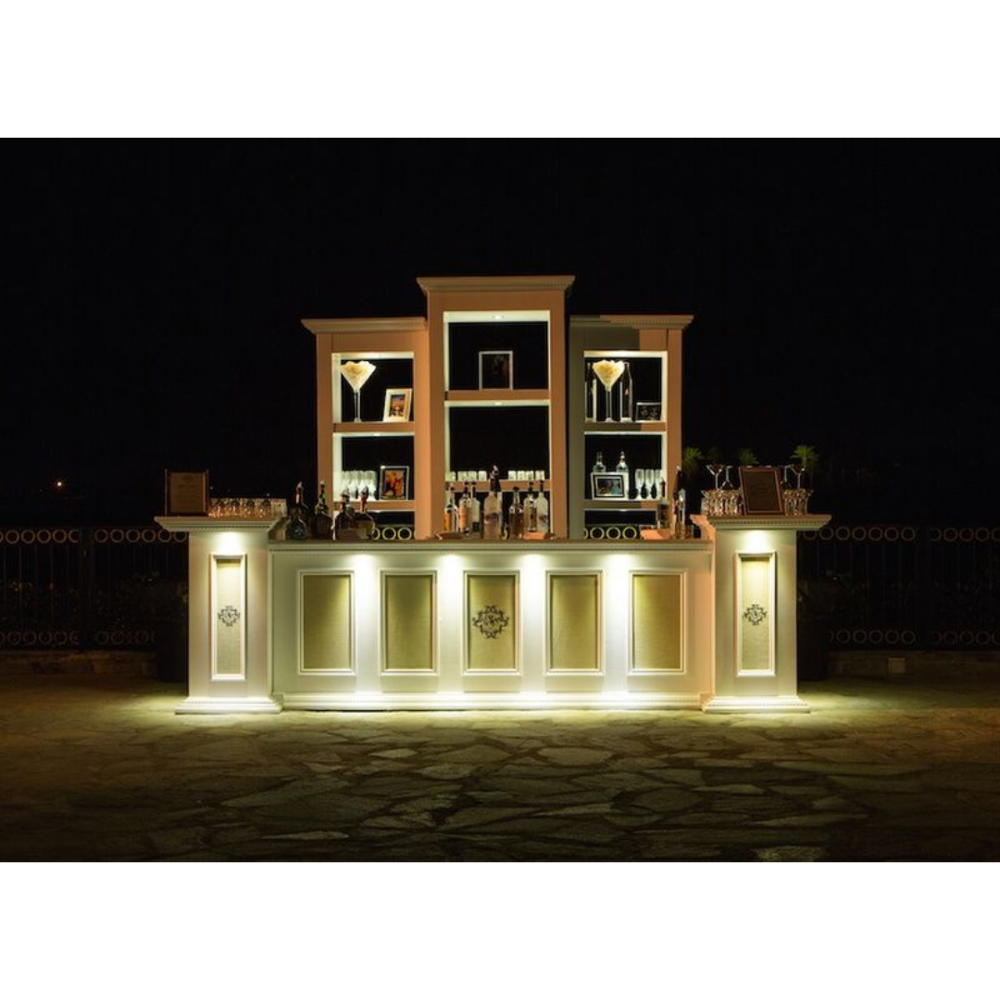
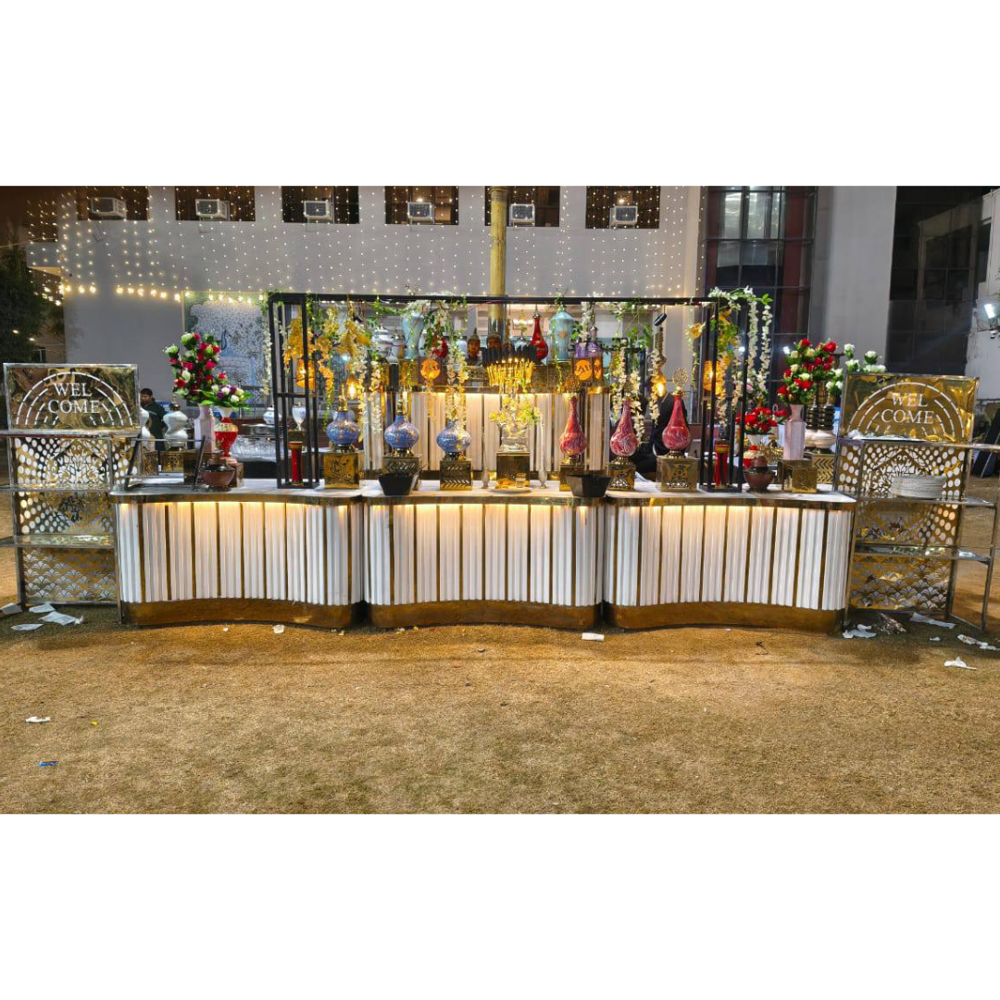
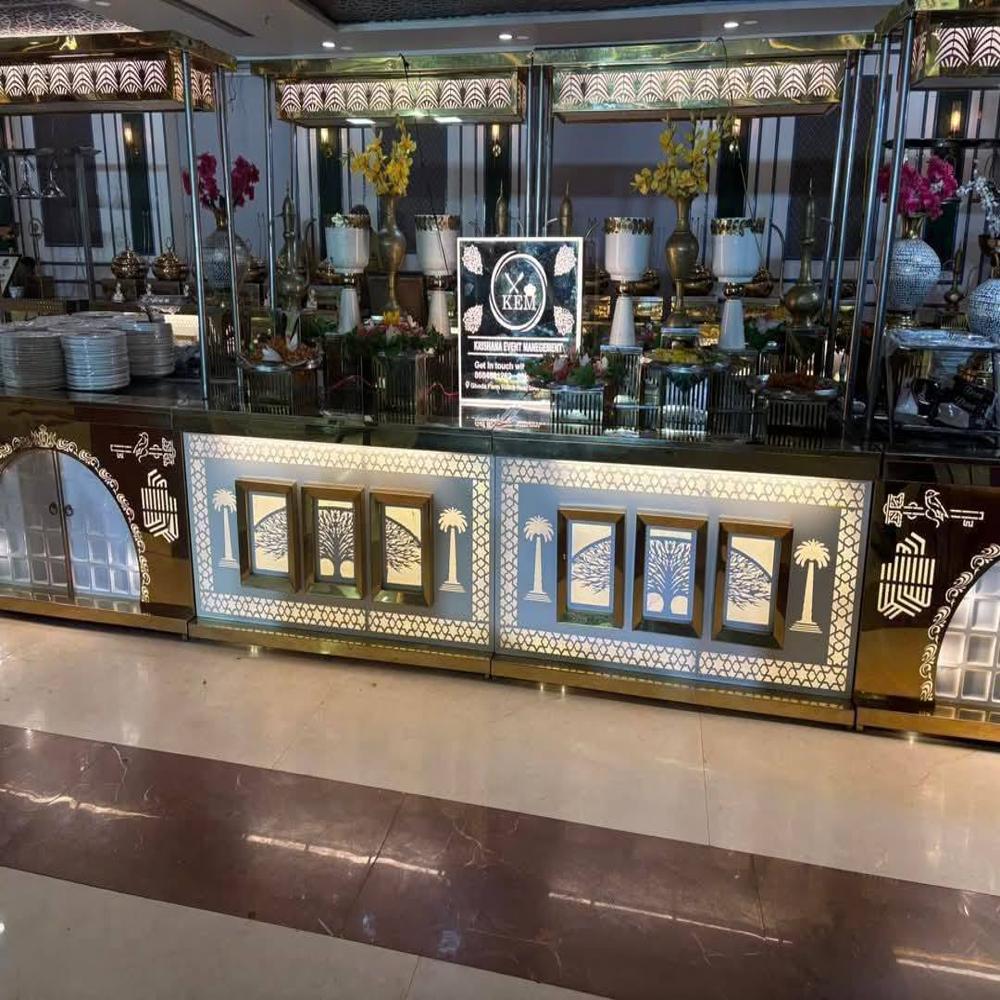
One of the most striking trends in decorative wedding catering counters is the integration of lighting. LED strips, under-counter lights, or softly glowing panels add a dynamic and luxurious feel to the serving area. Lighted counters not only highlight the food but also create a focal point in the venue, drawing guests attention and enhancing photographs. For evening weddings, especially in ballrooms or outdoor settings, these illuminated counters provide a warm and inviting ambiance that blends seamlessly with other decorative elements such as chandeliers, drapes, and floral arrangements.
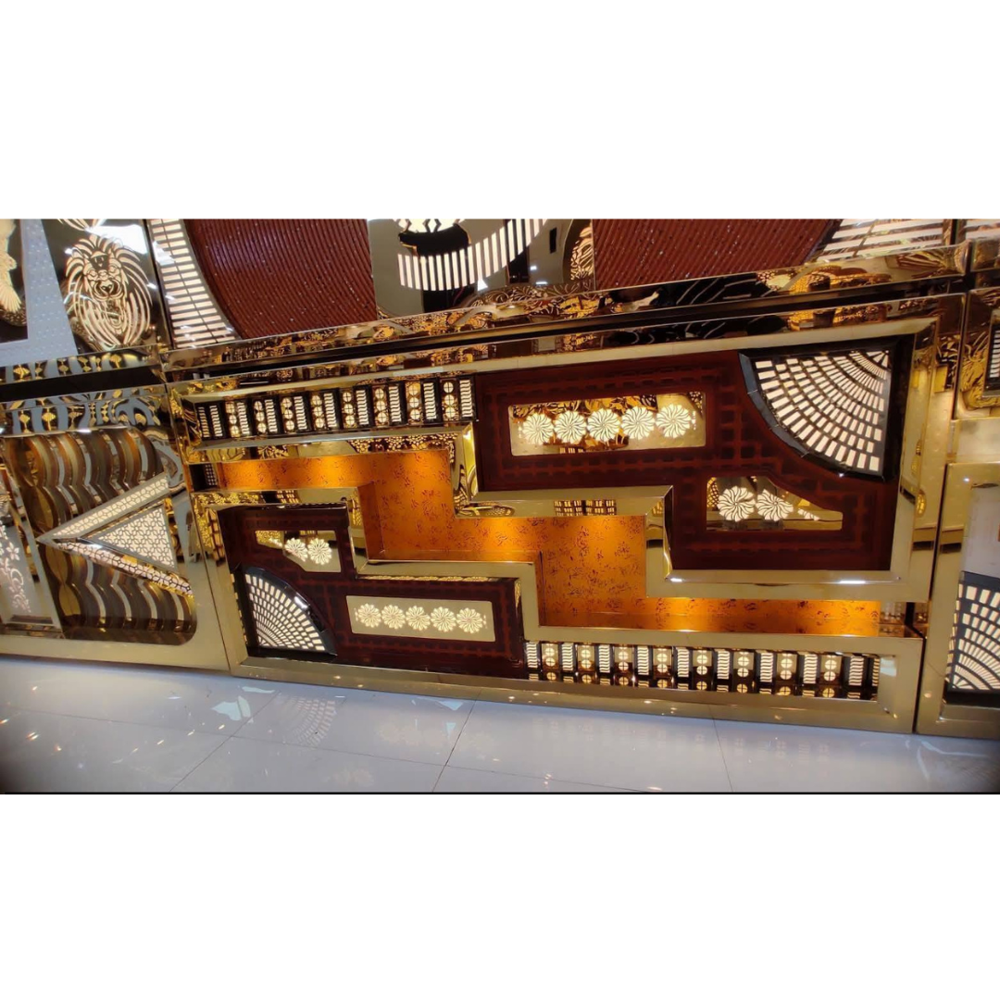
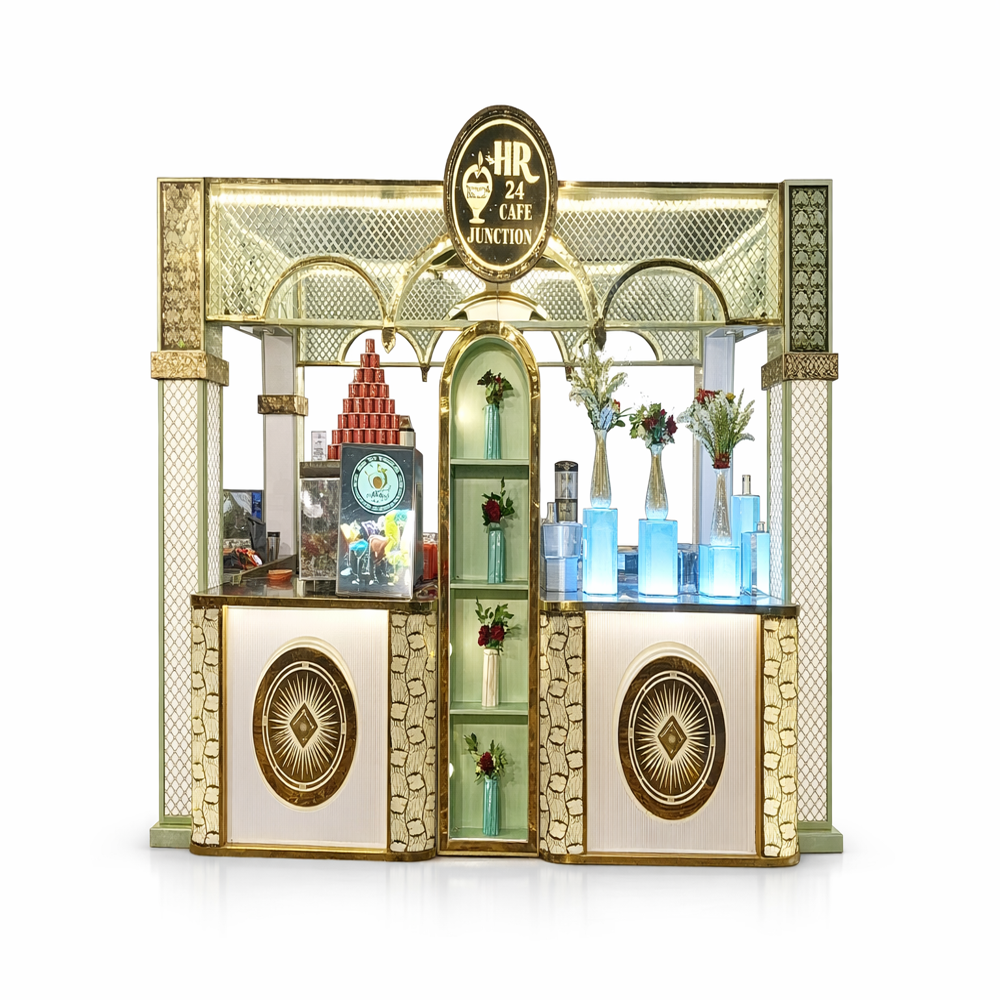
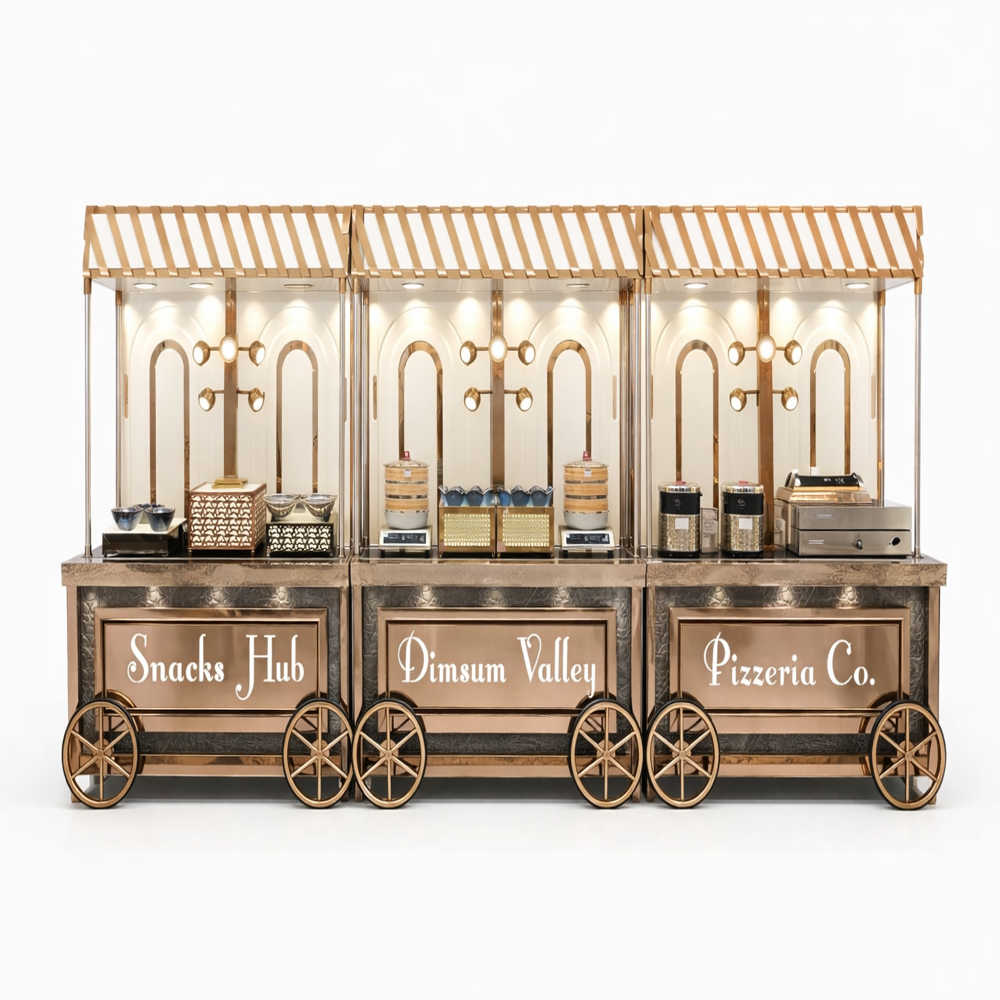
Material choice plays a crucial role in the aesthetic appeal of decorative wedding catering counters. High-quality materials such as stainless steel, glass, acrylic, and polished wood are commonly used for their durability and sleek appearance. Stainless steel, in particular, offers a modern and hygienic solution while allowing customization with gold or bronze finishes to suit luxury weddings. Acrylic panels, sometimes embedded with decorative elements or backlit with LED lights, add a contemporary touch and a sense of transparency and openness to the setup. For a rustic or outdoor wedding, reclaimed wood or bamboo counters create a warm, organic, and inviting atmosphere. The selection of materials is often guided by the wedding theme, the type of cuisine being served, and the overall ambiance desired.
The design of these counters is equally important. Many high-end wedding planners and caterers opt for modular counters that can be rearranged according to the flow of the event. For instance, a long buffet counter can be split into multiple stations, each showcasing a different category of foodstarters, main courses, desserts, and beverages. Some counters are even designed to incorporate live cooking areas, where chefs prepare dishes in front of guests, adding an element of theatre and engagement. This not only elevates the dining experience but also ensures freshness and customization, as guests can interact with the chefs and choose ingredients according to their preference.
Decorative accents are key to transforming functional counters into statement pieces. Floral arrangements, decorative bowls, crystal glassware, ornate trays, and thematic props enhance the visual appeal of the setup. Fresh flowers and greenery arranged along the edges of counters can soften the look of metal or glass and bring a natural, romantic feel to the dining area. Seasonal fruits, decorative cakes, and artistically plated desserts contribute to the overall charm, making the counters not just serving stations but integral parts of the wedding dcor. Some luxury weddings also incorporate mirrored surfaces, cascading drapes, or gold-plated accents, reflecting light and creating a sense of grandeur that resonates with the overall celebration.
Functionality remains a critical consideration alongside aesthetics. While the counters appearance must captivate guests, it should also ensure smooth service flow and efficiency. Counters are often equipped with built-in refrigeration for cold dishes, warming trays for hot items,


 Send Inquiry



 Send Inquiry
 Send Inquiry
 Send SMS
 Call Me Free


 English
 Spanish
 French
 German
 Italian
 Chinese (Simplified)
 Japanese
 Korean
 Arabic
 Portuguese