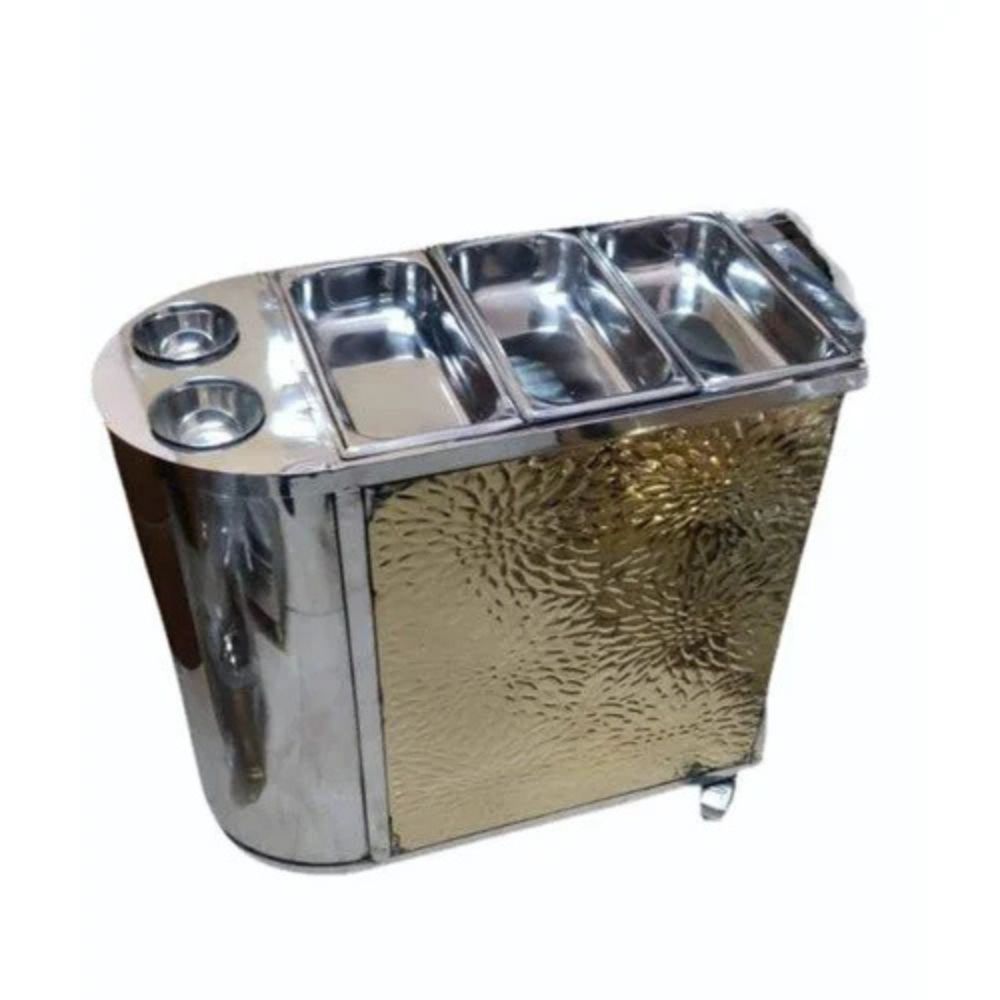
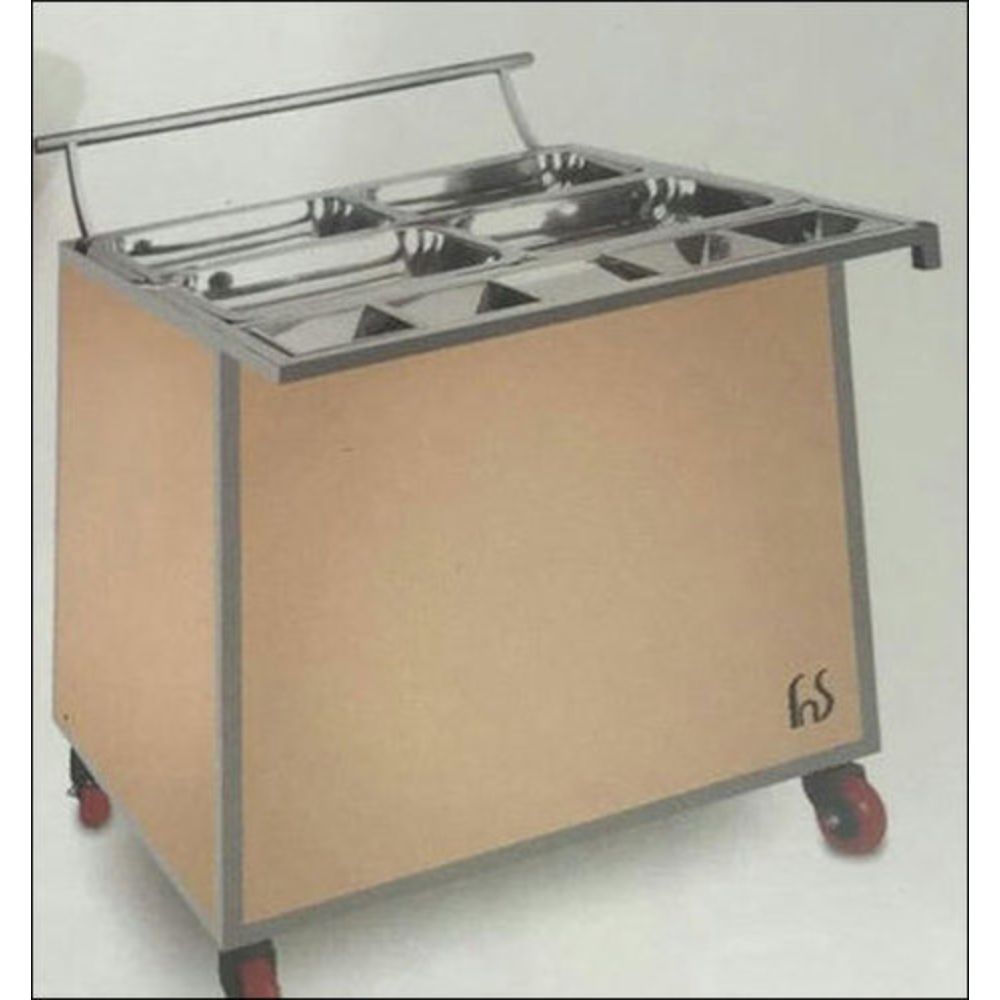
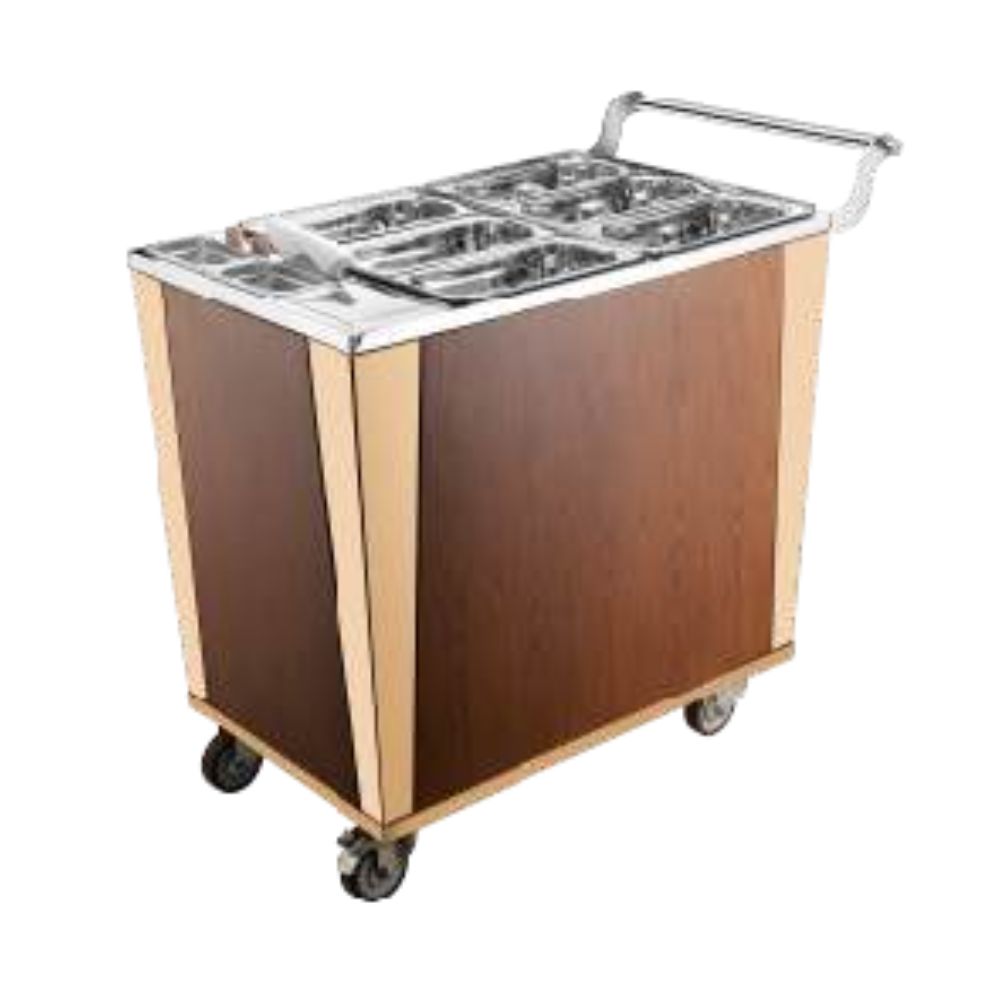
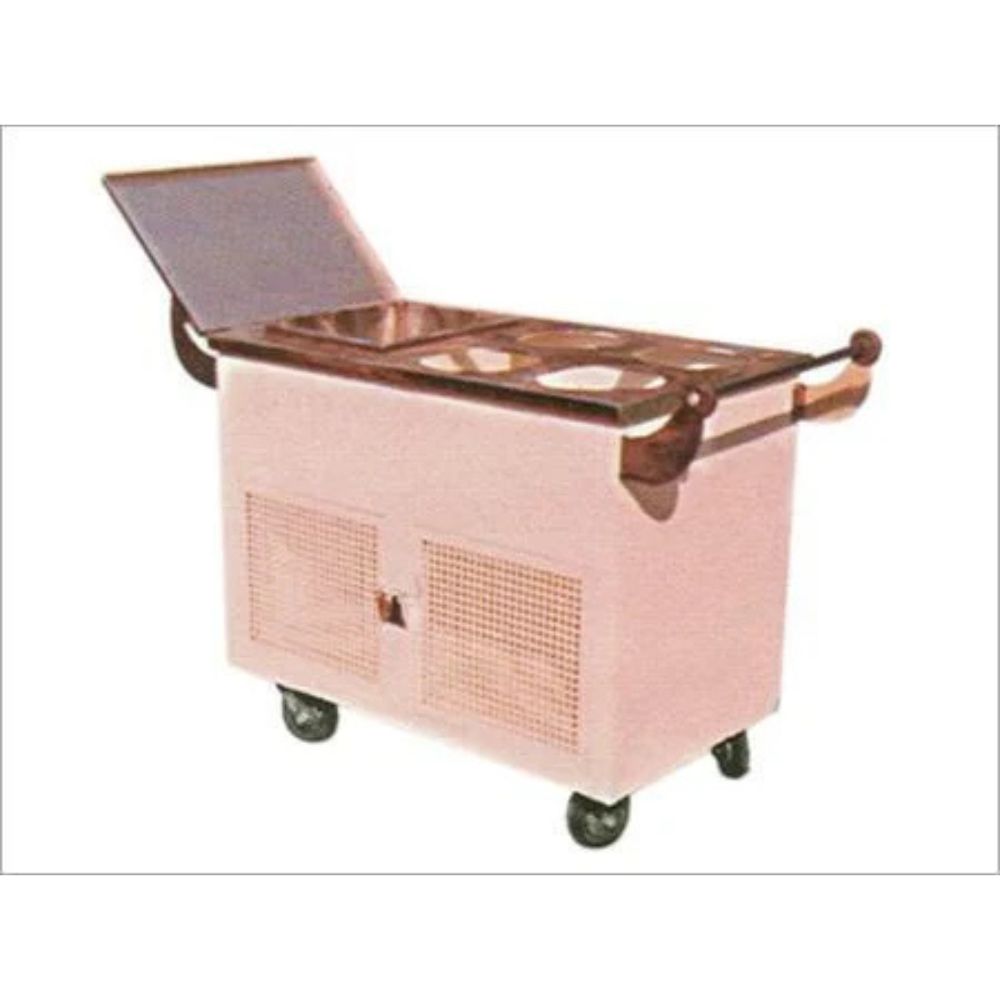
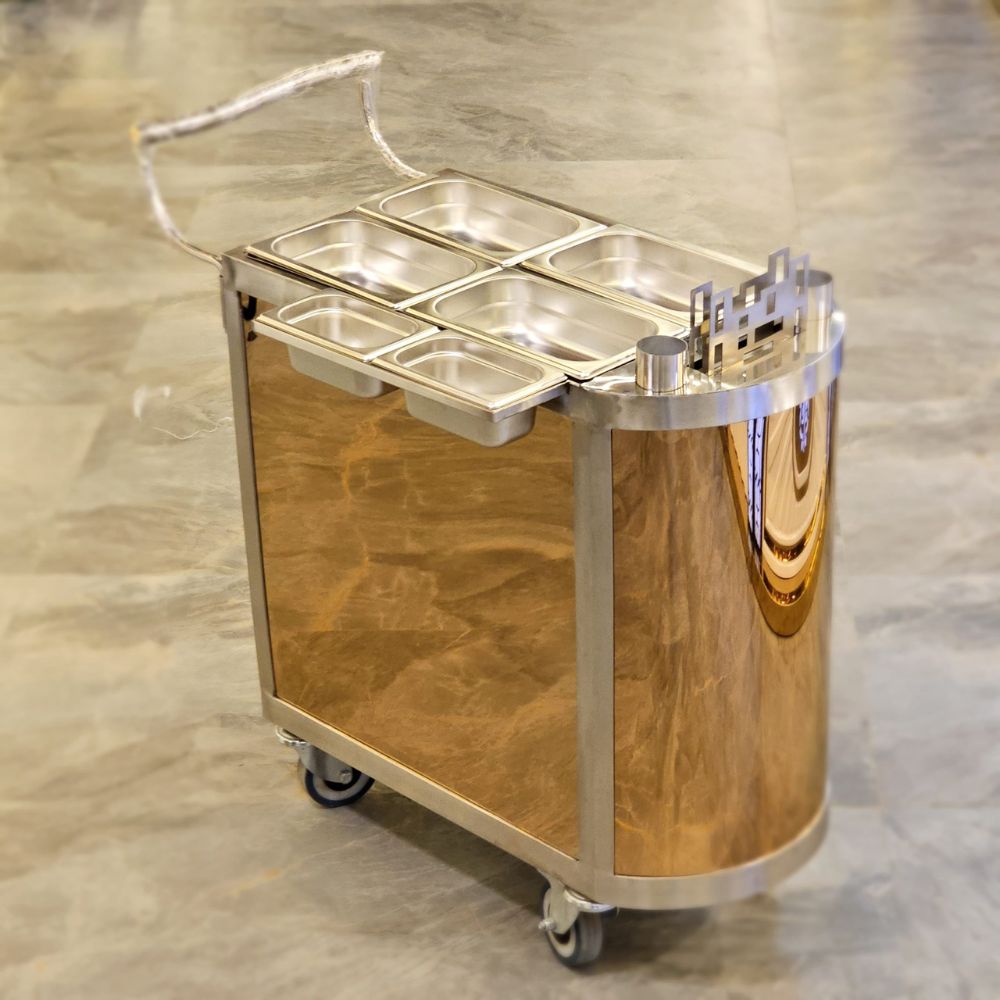
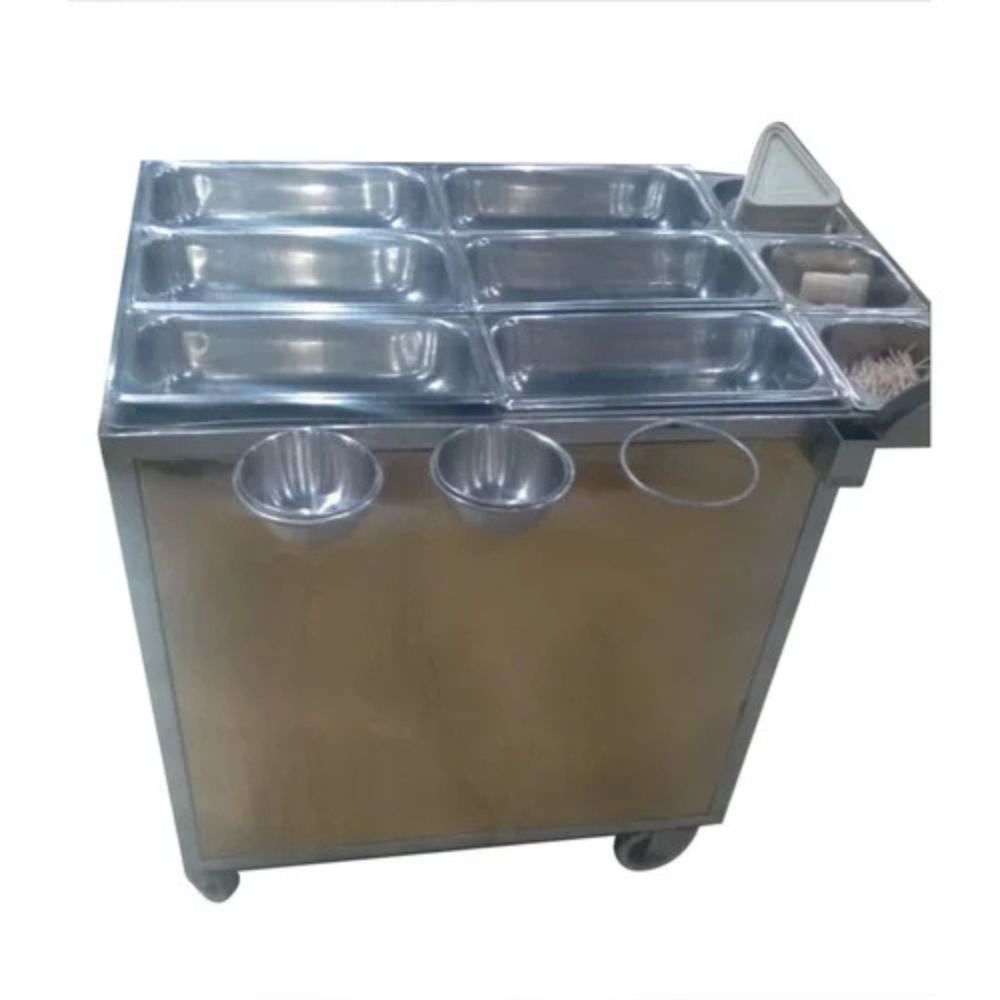
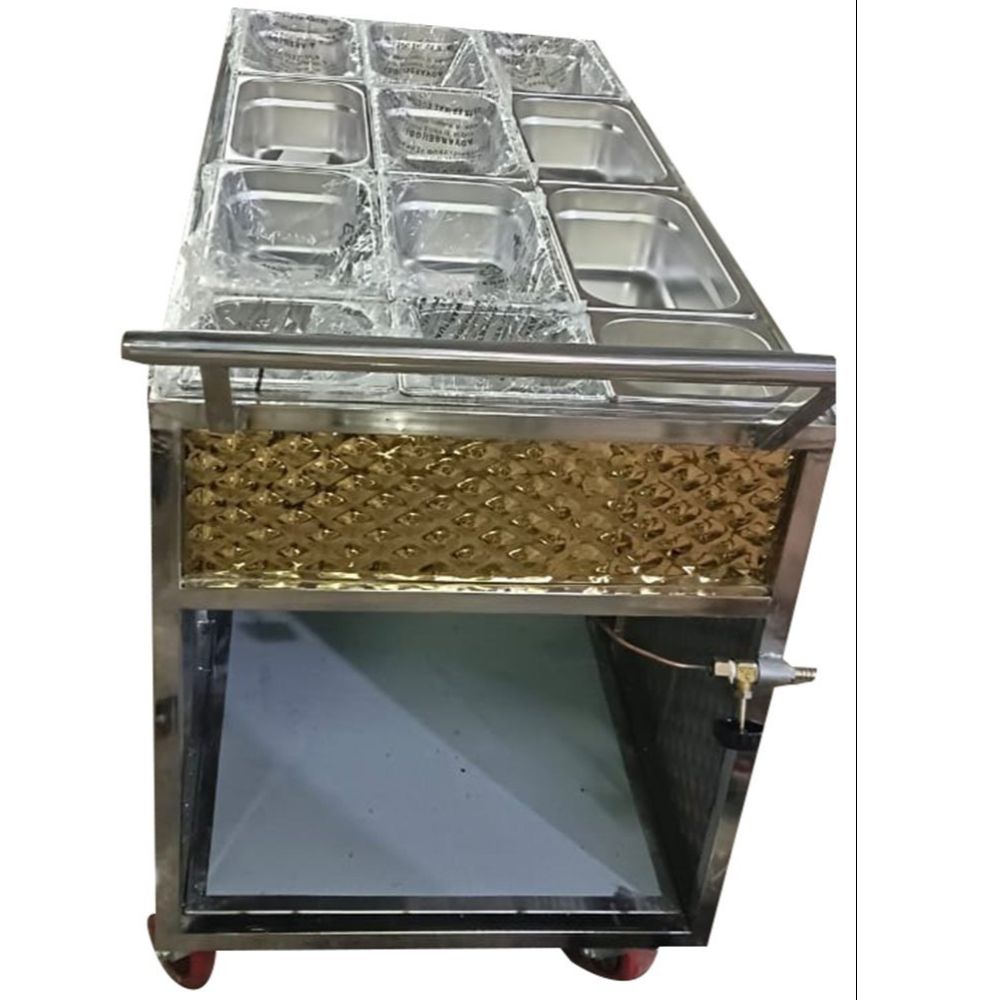
A commercial stainless steel food trolley with a high load capacity design is an essential solution for efficient material handling in professional kitchens and large-scale food service environments. Built to meet the rigorous demands of hotels, restaurants, catering units, and institutional kitchens, this type of trolley ensures smooth transportation of food, utensils, and kitchen supplies while maintaining durability, hygiene, and operational efficiency. Its strong construction and thoughtful engineering make it a reliable asset for businesses that handle heavy workloads daily.
One of the most defining characteristics of a high load capacity food trolley is its robust stainless steel construction. Typically manufactured using premium grades such as SS 304 or heavy-duty SS 201, these trolleys are designed to withstand constant use in demanding conditions. Stainless steel is highly resistant to corrosion, rust, and staining, making it ideal for environments exposed to moisture, heat, and food spills. The material also offers a sleek and professional appearance, which complements modern commercial kitchen setups and enhances overall workplace aesthetics.
The high load capacity design is what truly sets these trolleys apart. Unlike standard models, commercial food trolleys are engineered to carry substantial weight, often ranging from 150 kg to 300 kg or more. This makes them suitable for transporting bulk quantities of food, heavy cooking vessels, trays, and other kitchen essentials in a single trip. By reducing the need for multiple trips, these trolleys help save time and labor, allowing staff to focus on other important tasks. This efficiency is especially valuable during peak hours in busy kitchens and large catering events.
Structural strength is achieved through reinforced frames, thick gauge steel, and precision welding. The base and shelves are designed to evenly distribute weight, preventing bending or deformation even under maximum load. Many models also include additional support bars or cross braces for enhanced stability. This ensures that the trolley remains balanced and secure while in motion, reducing the risk of accidents or spillage.
The multi-tier configuration of these trolleys adds to their practicality and efficiency. Available in two, three, or four-tier designs, they provide ample space for organizing different items. For example, one tier can be used for cooked food, another for raw ingredients, and others for utensils or serving dishes. This organized approach not only improves workflow but also helps maintain hygiene by preventing cross-contamination. The shelves are often equipped with raised edges or guard rails to keep items secure during transportation.
Mobility is a crucial aspect of any food trolley, and high load capacity models are equipped with heavy-duty castor wheels to ensure smooth movement. These wheels are designed to handle the weight of the trolley and its contents while providing easy maneuverability. The 360-degree swivel feature allows staff to navigate tight corners and crowded spaces with ease. Many trolleys also come with lockable wheels, which provide stability when the trolley is stationary. The smooth and quiet operation of these wheels is particularly beneficial in environments where noise reduction is important, such as hotels and fine dining restaurants.


 Send Inquiry




 Send Inquiry
 Send Inquiry
 Send SMS
 Call Me Free


 English
 Spanish
 French
 German
 Italian
 Chinese (Simplified)
 Japanese
 Korean
 Arabic
 Portuguese