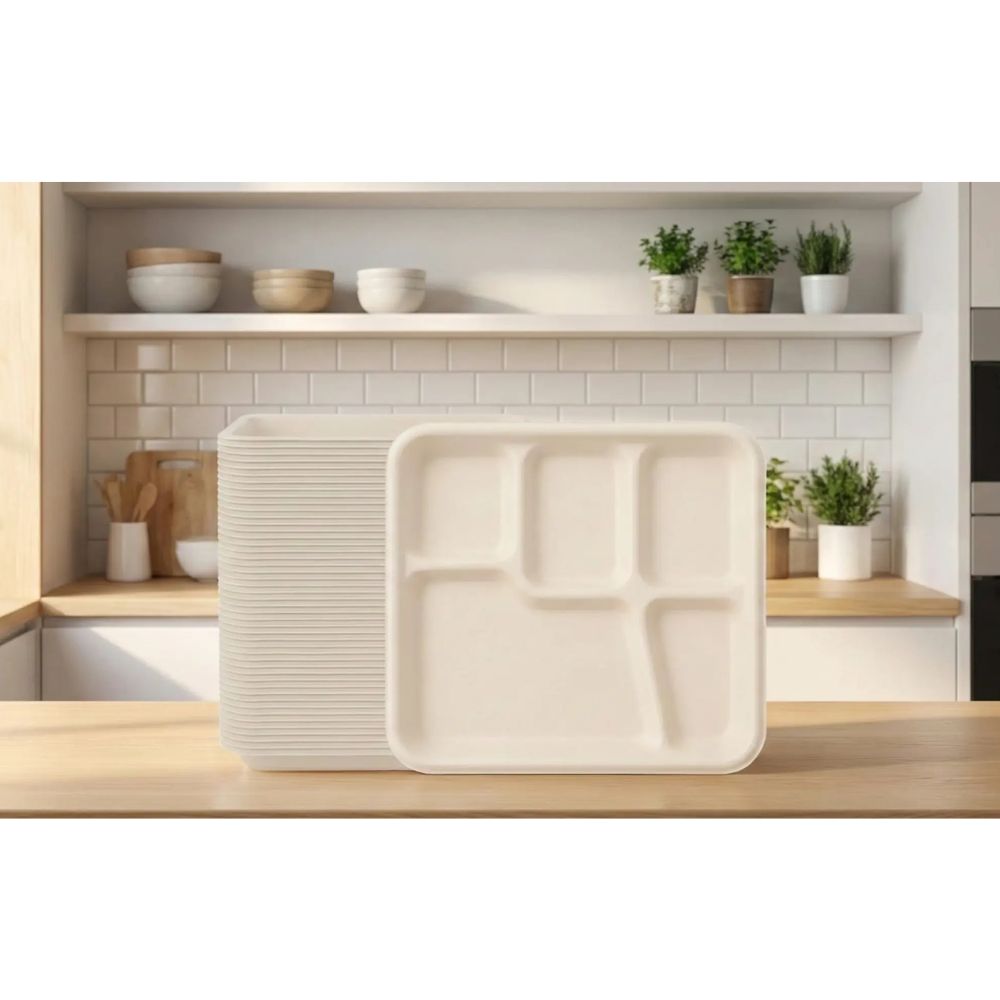
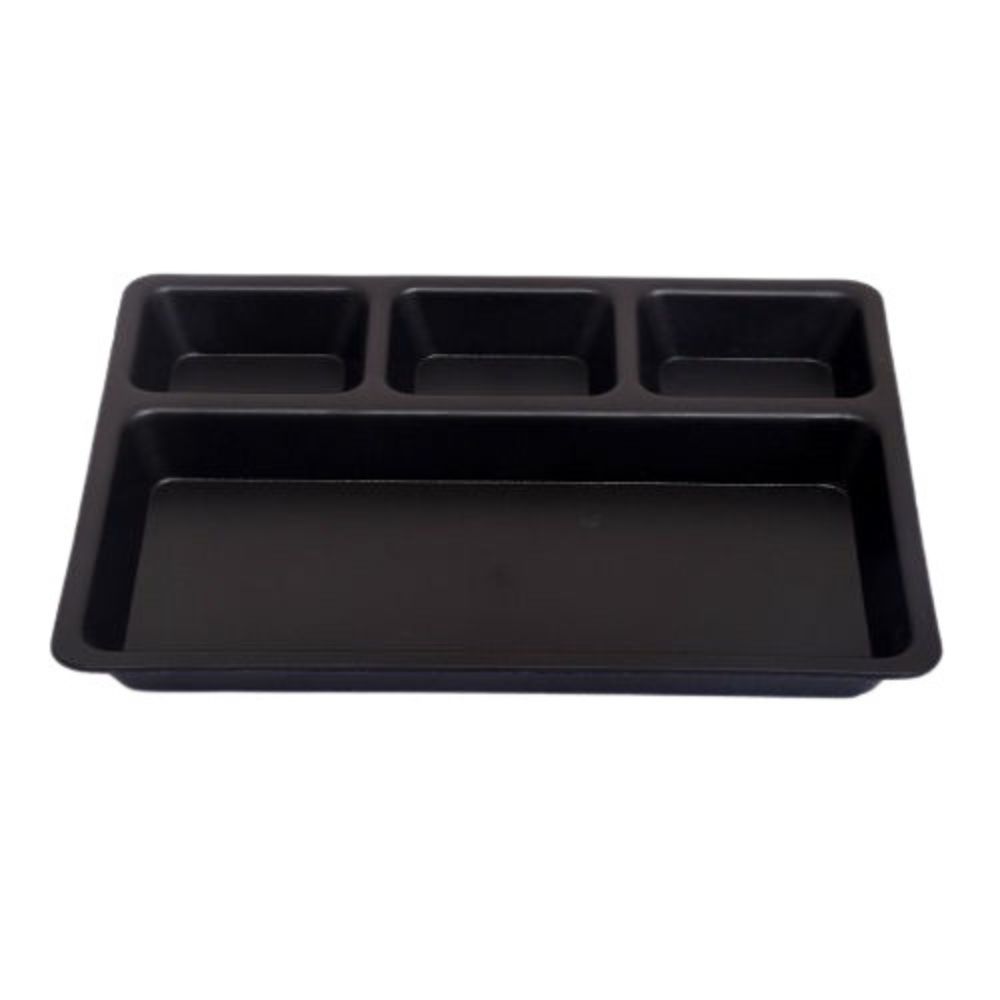
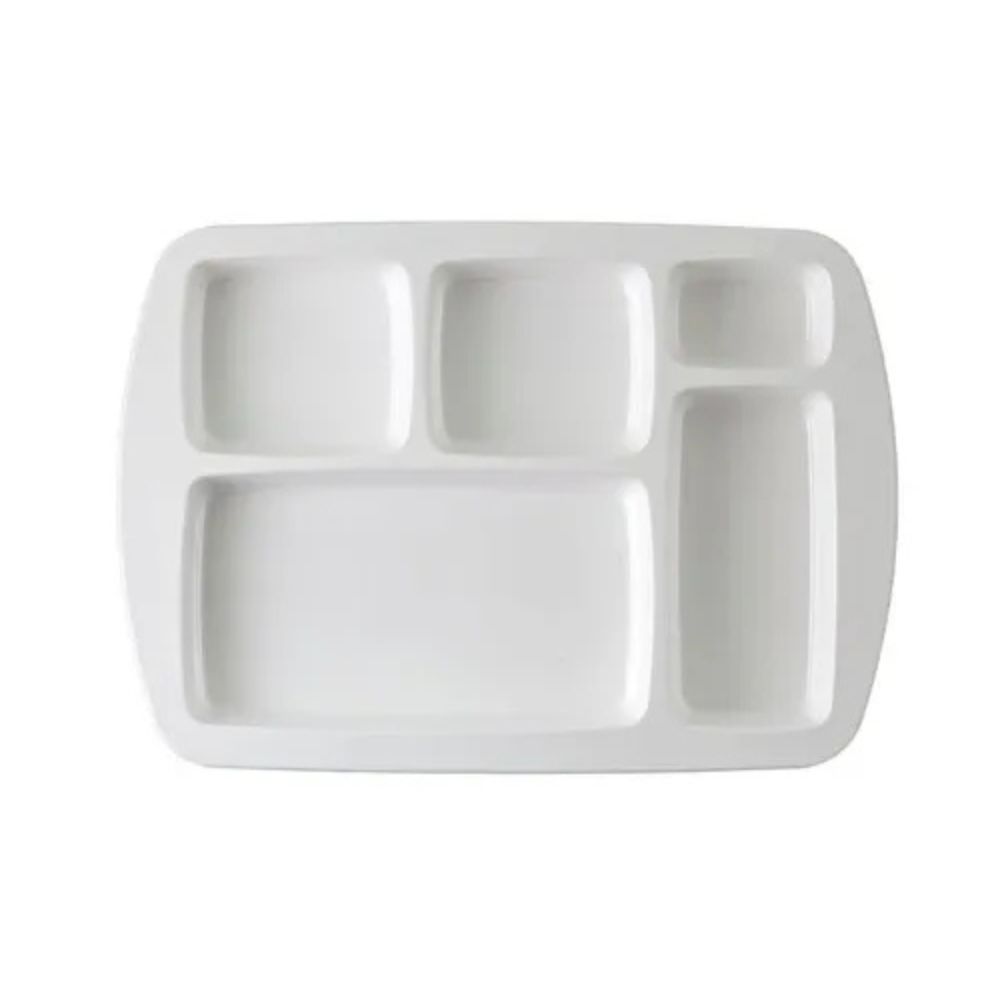
A heavy plastic compartment tray plate for bulk food serving in cafeteria and mess facilities is a highly practical and efficient solution designed to meet the demands of large-scale food service operations. In environments where hundreds or even thousands of meals are served daily, such as schools, colleges, hostels, industrial canteens, hospitals, and corporate cafeterias, the need for durable, organized, and hygienic serving solutions becomes essential. These trays are specifically engineered to simplify meal distribution while maintaining consistency, cleanliness, and user convenience.
One of the most defining characteristics of a heavy plastic compartment tray plate is its robust construction. Made from high-quality, food-grade plastic, these trays are built to endure continuous and rigorous use. Unlike lightweight or low-grade alternatives, heavy-duty trays are resistant to cracks, bending, and breakage. This strength ensures that the tray remains stable even when carrying a full meal, including heavier items like rice, dal, curries, and multiple side dishes. The sturdy build also makes them ideal for environments where trays are frequently handled, stacked, and transported.
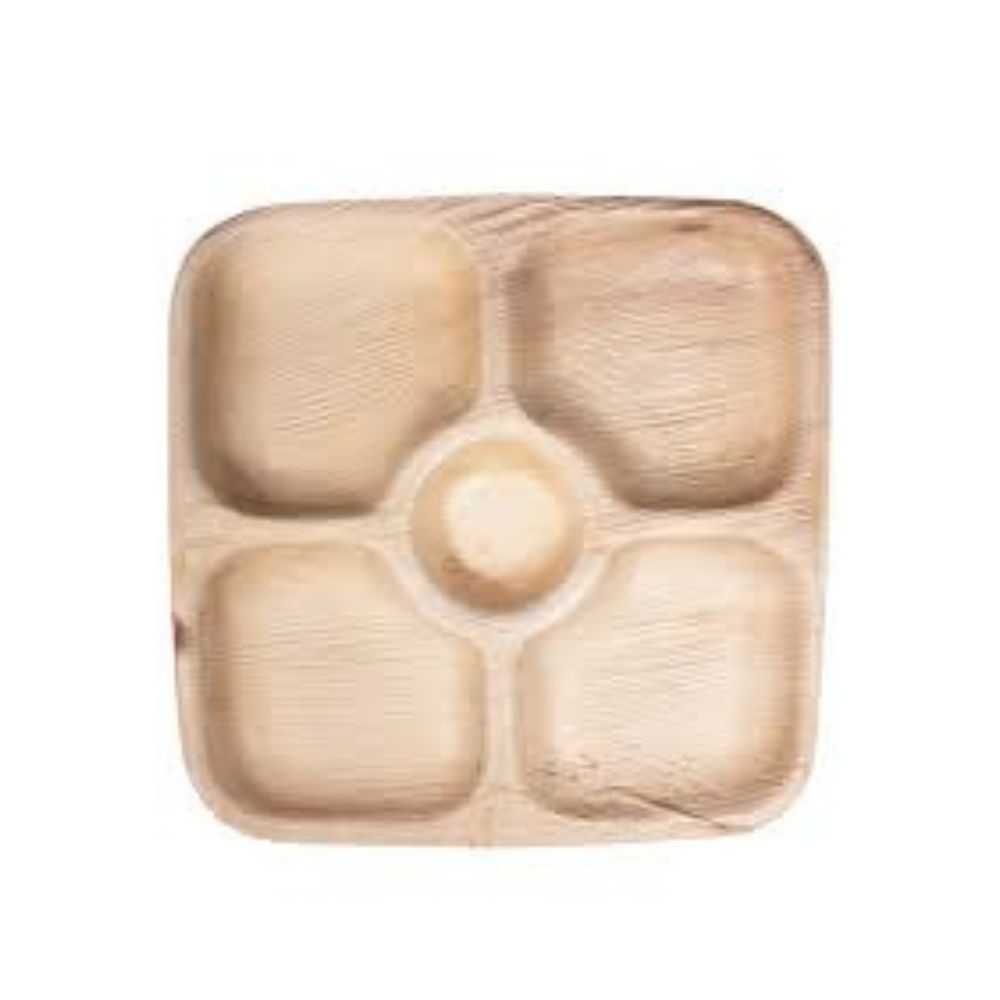
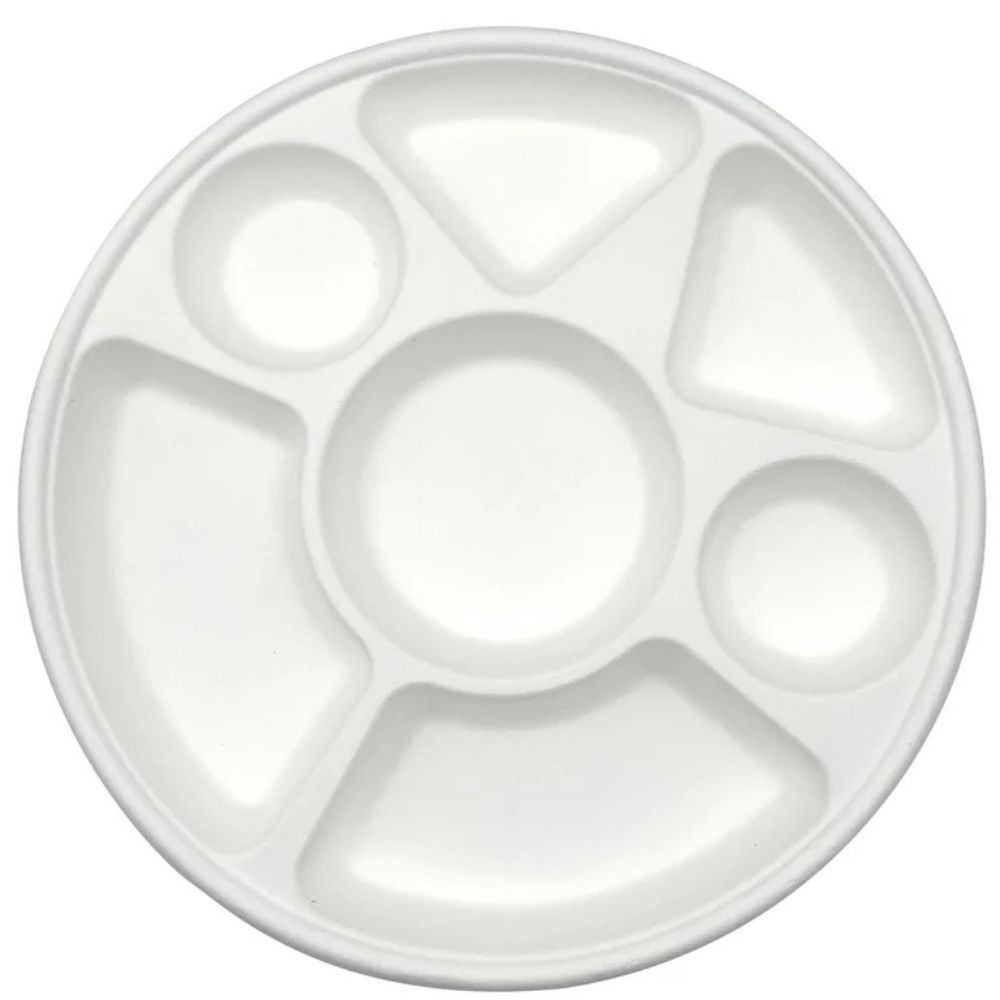
The compartmentalized design is a key feature that enhances the functionality of these trays. Each tray is divided into multiple sections, typically ranging from four to six compartments, allowing different food items to be served separately. This design helps maintain the integrity of each dish by preventing mixing of flavors and textures. For example, rice can be served in one section, dal in another, vegetables in a separate compartment, and salad or dessert in additional spaces. This organized approach not only improves presentation but also ensures portion control, which is especially important in institutional food service.
Another important benefit of these trays is their suitability for bulk food serving. In busy cafeterias and mess facilities, speed and efficiency are crucial. Heavy plastic compartment trays streamline the serving process by allowing staff to serve multiple food items at once without the need for separate plates or bowls. This reduces serving time and helps manage large crowds effectively, particularly during peak meal hours. The structured layout of the tray also simplifies self-service, enabling users to carry their entire meal conveniently in one plate.
Despite their heavy-duty construction, these trays are designed to offer ease of handling. The ergonomic design ensures a comfortable grip, making it easy for users to carry the tray without difficulty. The weight is balanced in such a way that it does not feel cumbersome, even when fully loaded. This is particularly beneficial in self-service setups where students, employees, or patients need to carry their own meals from the serving counter to their seating area.
The deep compartments and raised edges of the tray play a crucial role in preventing spills and leaks. Liquid-based food items such as dal, curry, or soup are securely contained within their respective sections, reducing the chances of mess and wastage. This spill-resistant design enhances the overall dining experience by allowing users to enjoy their meals without inconvenience. It also contributes to maintaining cleanliness in dining areas, which is essential in high-traffic environments.
Hygiene is a top priority in any food service facility, and heavy plastic compartment trays are designed to meet high standards of cleanliness. The smooth and non-porous surface of the tray prevents food particles and liquids from getting absorbed, making cleaning quick and effective. These trays can be washed easily using standard cleaning agents and are often compatible with commercial dishwashing systems. Their quick-drying nature ensures that they are ready for reuse in a short time, supporting continuous service operations.



 Send Inquiry





 Send Inquiry
 Send Inquiry
 Send SMS
 Call Me Free


 English
 Spanish
 French
 German
 Italian
 Chinese (Simplified)
 Japanese
 Korean
 Arabic
 Portuguese