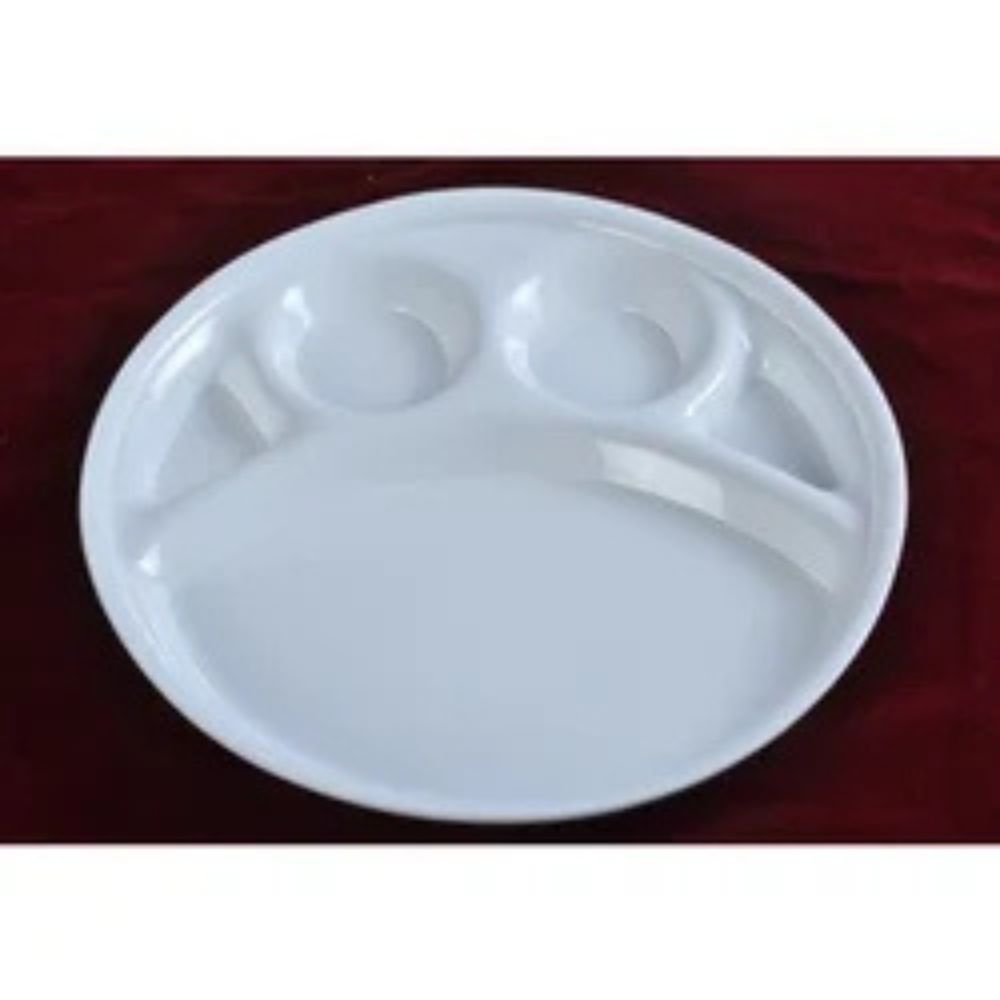
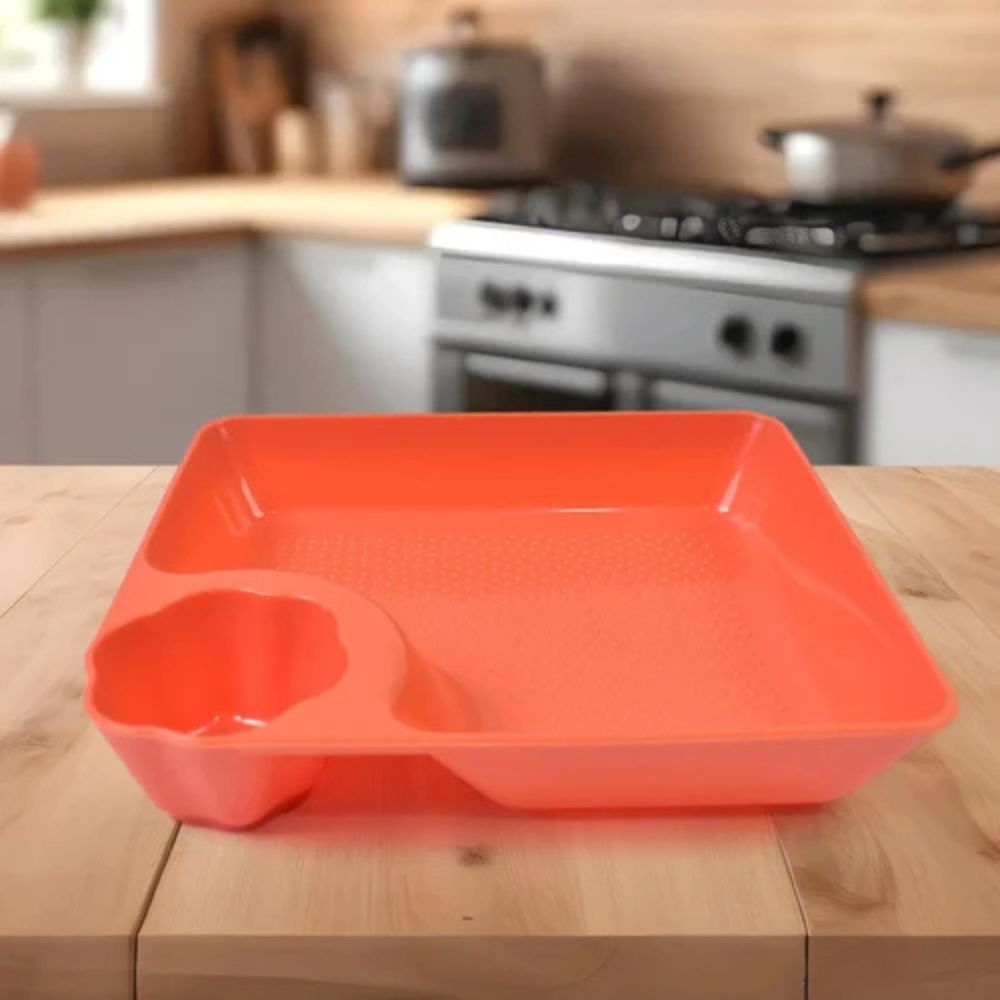
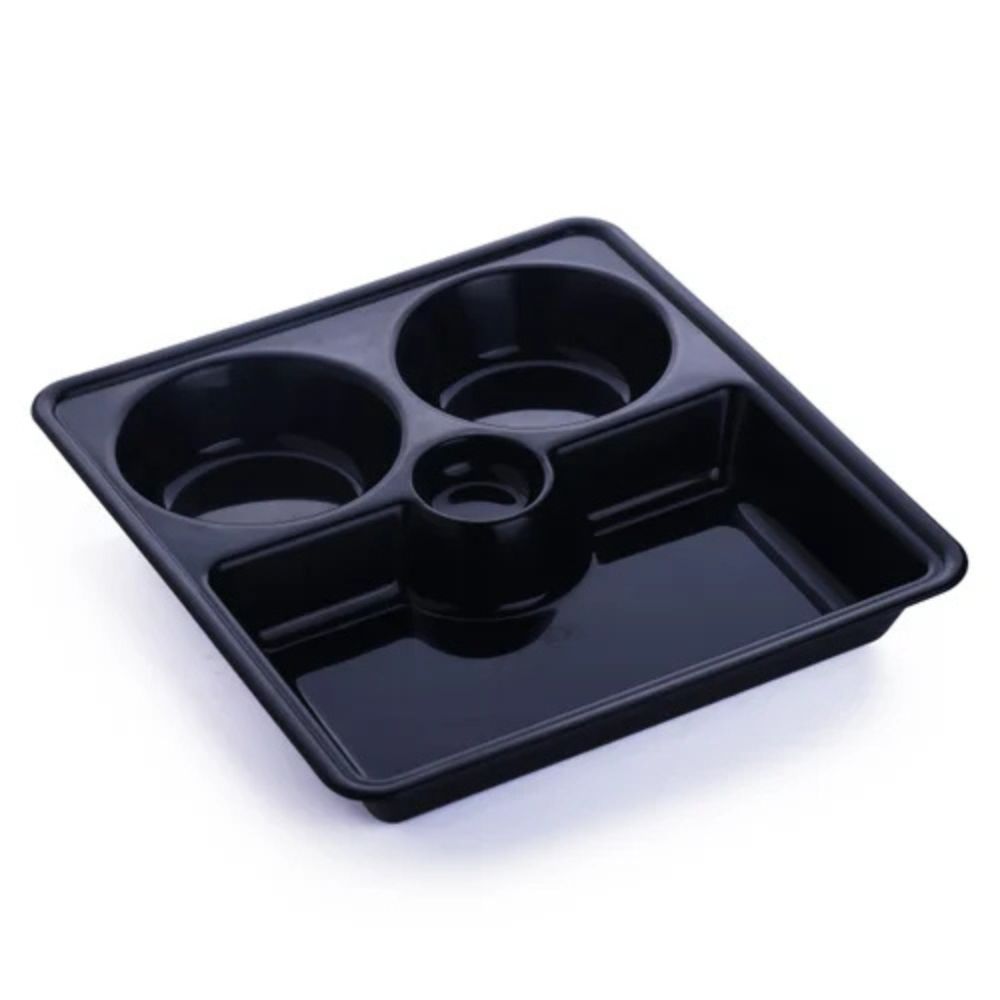
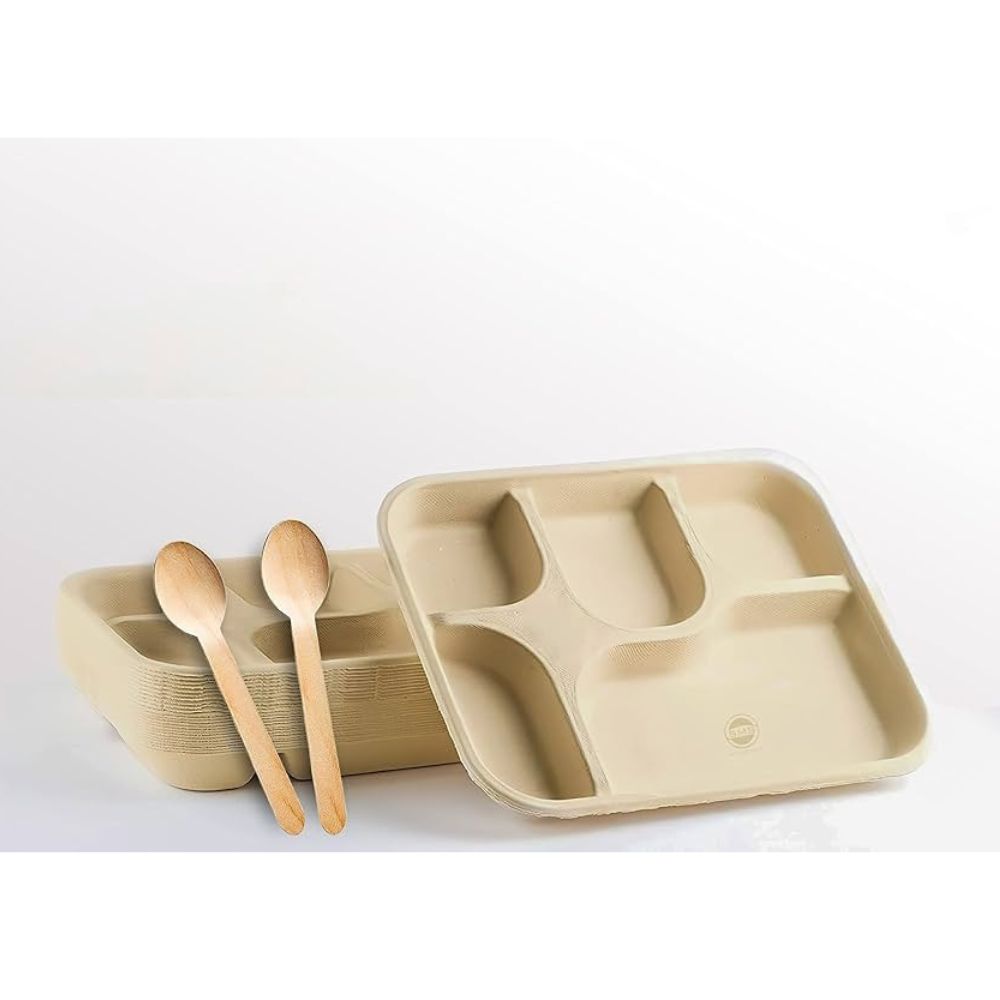
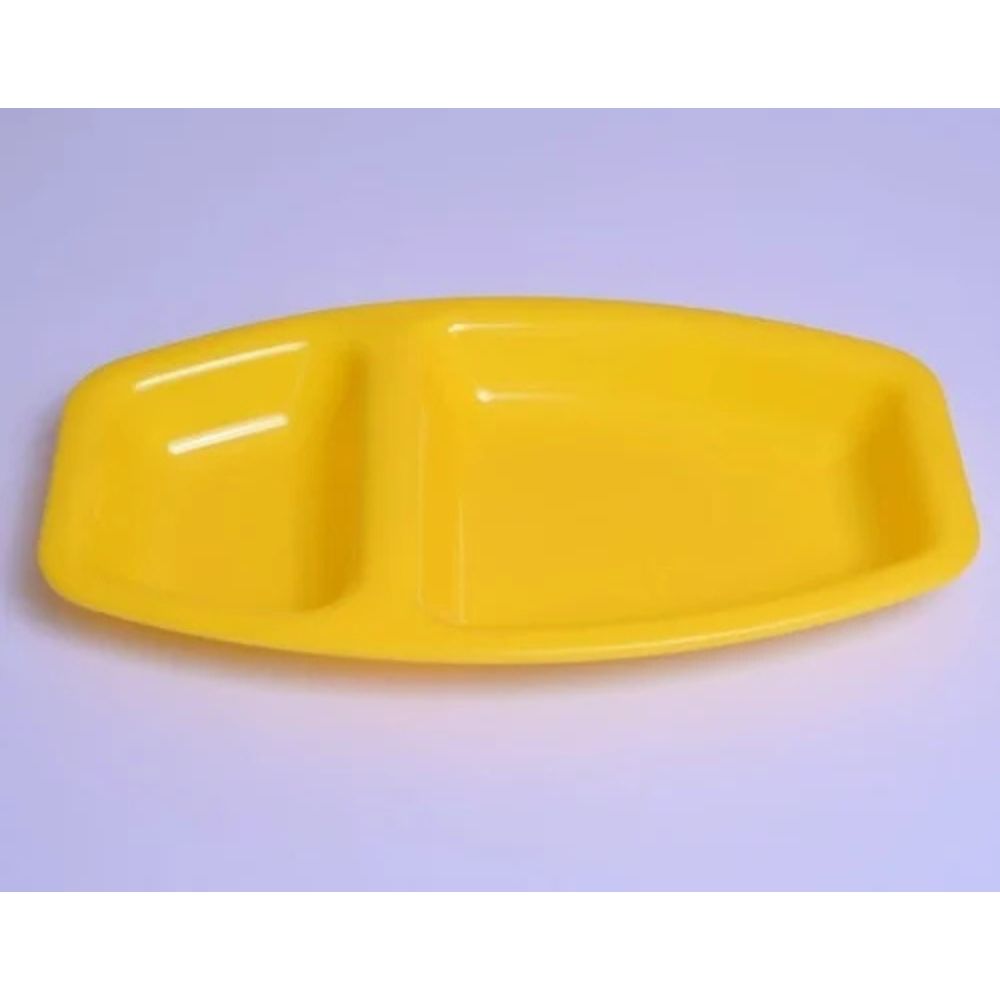
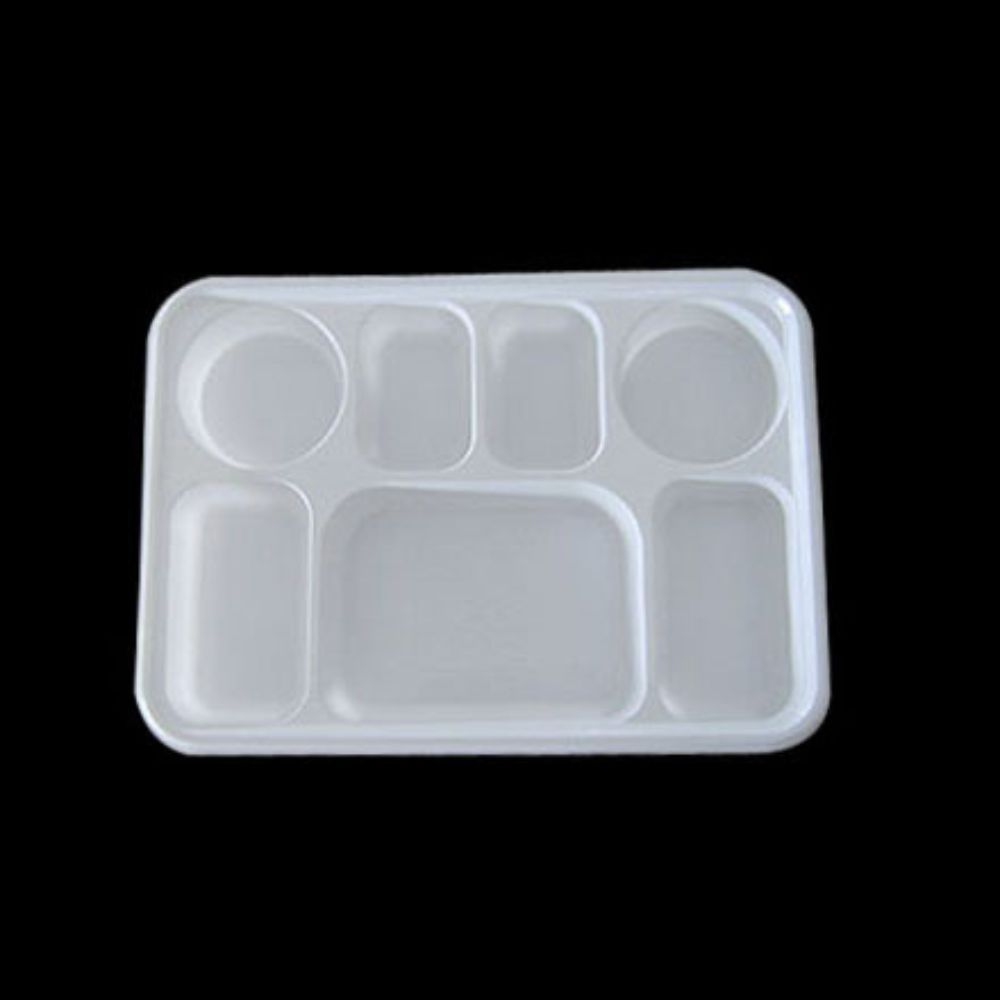
A high quality plastic compartment serving tray for mess food with smooth finish and strong build is an essential solution for organized, hygienic, and efficient food service in institutional environments. Whether used in hostels, schools, industrial canteens, hospitals, or catering setups, these trays are specifically designed to handle high-volume meal distribution while maintaining convenience, durability, and cleanliness. With their practical design and long-lasting performance, they have become a preferred choice for food service providers who prioritize efficiency and user comfort.
The primary advantage of a plastic compartment serving tray lies in its sturdy construction. Manufactured using premium food-grade plastic, these trays are built to withstand daily wear and tear in demanding environments. Unlike low-quality alternatives that may crack or bend under pressure, a high-quality tray offers excellent resistance to impact, ensuring it retains its shape even after repeated use. The strong build also allows it to hold a full meal without sagging, making it reliable for serving a variety of dishes including rice, dal, vegetables, chapati, and desserts.
Another standout feature is the smooth finish of the tray. A finely polished surface not only enhances the overall appearance but also plays a crucial role in maintaining hygiene. The smooth texture prevents food particles from sticking to the surface, making the tray extremely easy to clean. This is particularly important in large kitchens and mess facilities where quick turnaround times are required. The trays can be washed effortlessly using regular detergents, and their non-porous surface reduces the risk of bacterial buildup, ensuring safe and sanitary food service.
The compartmentalized design is what truly makes these trays functional and efficient. Each tray is divided into multiple sections, typically ranging from three to five compartments, allowing different food items to be served separately. This ensures that flavors do not mix and that each portion remains intact and visually appealing. It also helps in portion control, which is especially useful in institutional settings where balanced meal distribution is necessary. For example, one section can be used for rice, another for dal, a third for vegetables, and additional compartments for salad or dessert.
In addition to organization, the deep compartments and raised edges of the tray help prevent spills and leaks. This is particularly beneficial when serving liquid-based items like curries or soups. The design ensures that food remains contained within its designated section, reducing mess and improving the overall dining experience. Users can carry their meals comfortably without worrying about spillage, making these trays ideal for self-service environments.
Despite their strong build, these trays are lightweight and easy to handle. This combination of strength and lightness makes them suitable for people of all age groups, including students and workers. The ergonomic design ensures a comfortable grip, allowing users to carry the tray with ease. For staff members managing food distribution, the lightweight nature of the trays reduces fatigue and improves efficiency during peak serving hours.
Stackability is another important feature that enhances the practicality of these trays. High-quality plastic compartment trays are designed to be easily stackable, allowing multiple trays to be stored in a compact space. This helps in maintaining an organized kitchen or storage area and simplifies transportation. In busy environments where space management is crucial, stackable trays offer a significant advantage.
Durability also translates into cost-effectiveness. Since these trays are designed for long-term use, they reduce the need for frequent replacements. Their resistance to cracks, stains, and deformation ensures that they maintain their quality over time, providing excellent value for money. For institutions that require large quantities of serving trays, investing in high-quality options results in significant cost savings in the long run.


 Send Inquiry



 Send Inquiry
 Send Inquiry
 Send SMS
 Call Me Free


 English
 Spanish
 French
 German
 Italian
 Chinese (Simplified)
 Japanese
 Korean
 Arabic
 Portuguese