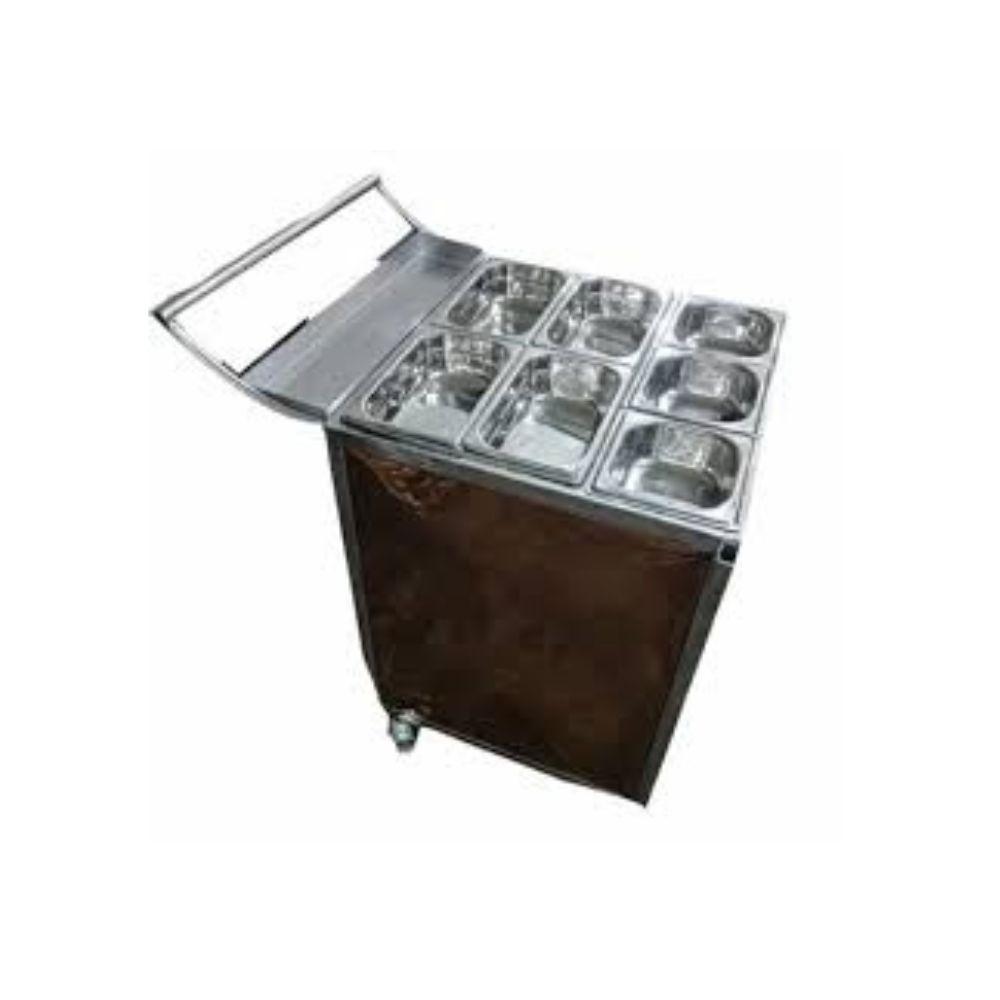
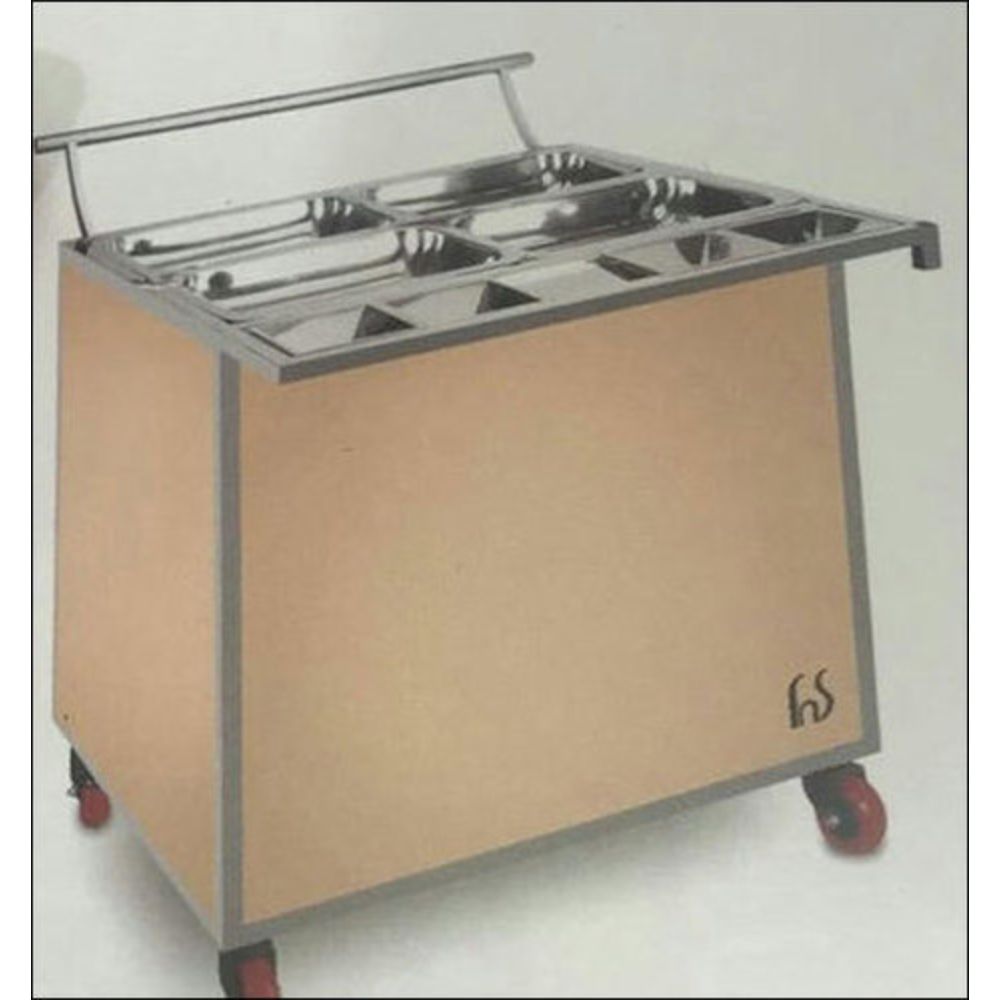
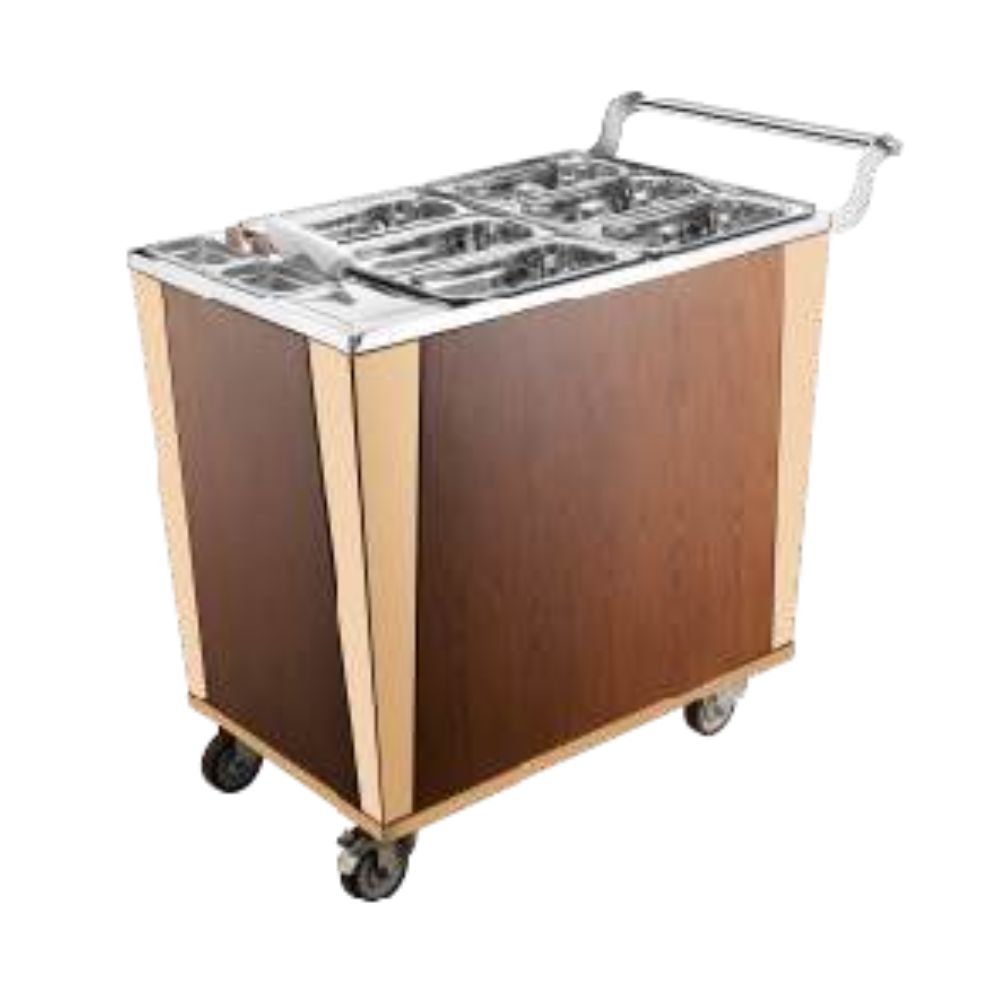
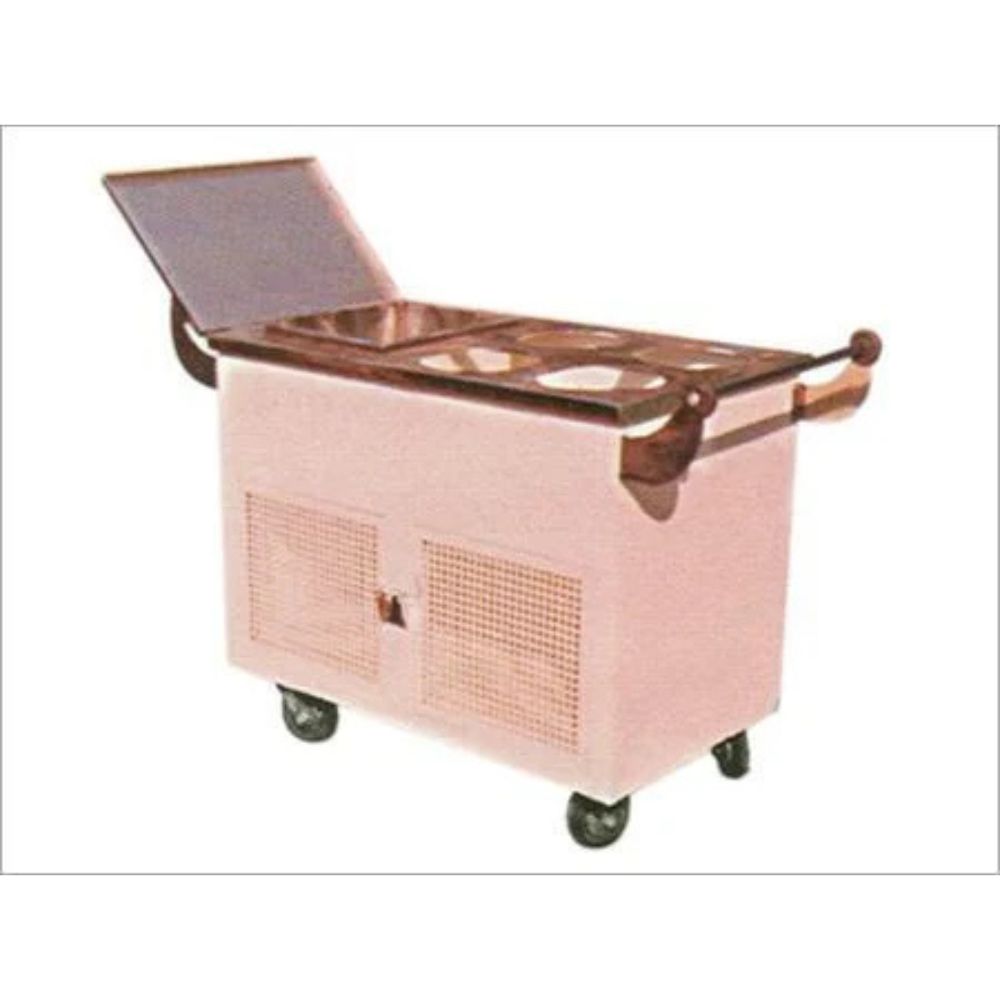
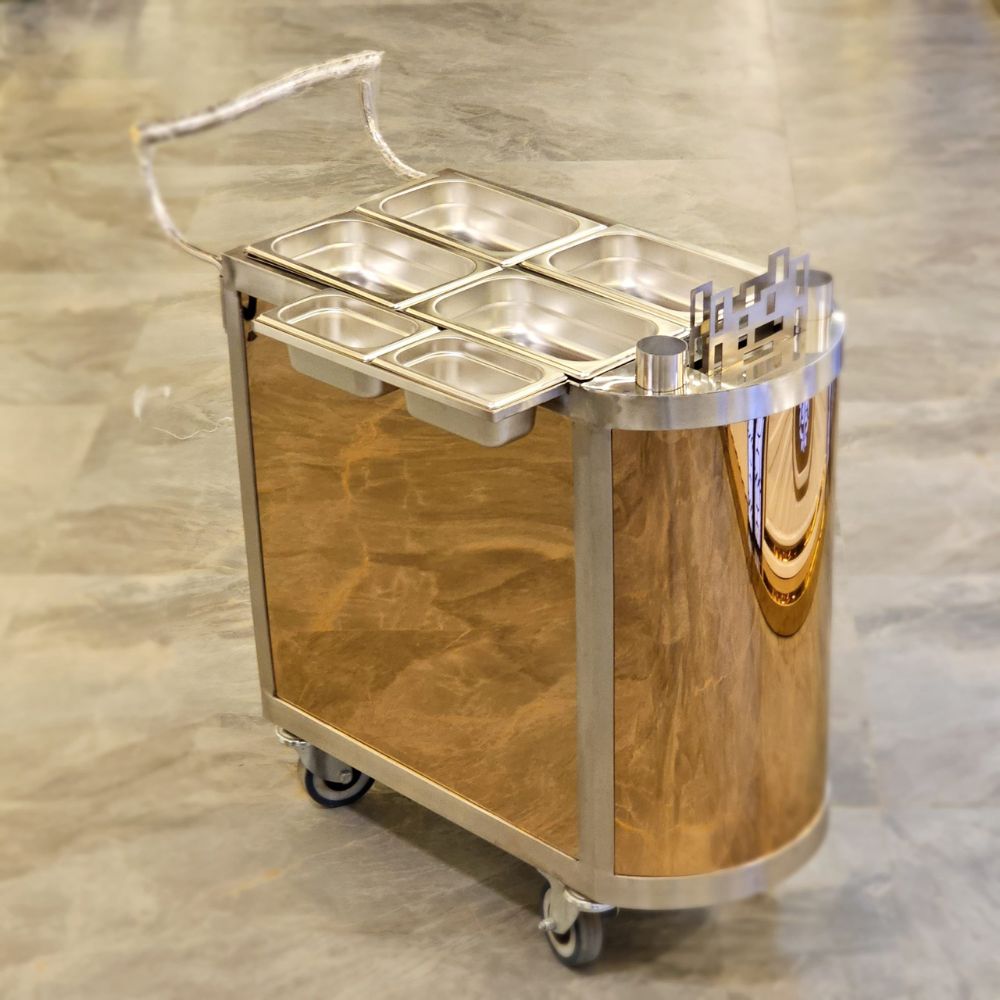
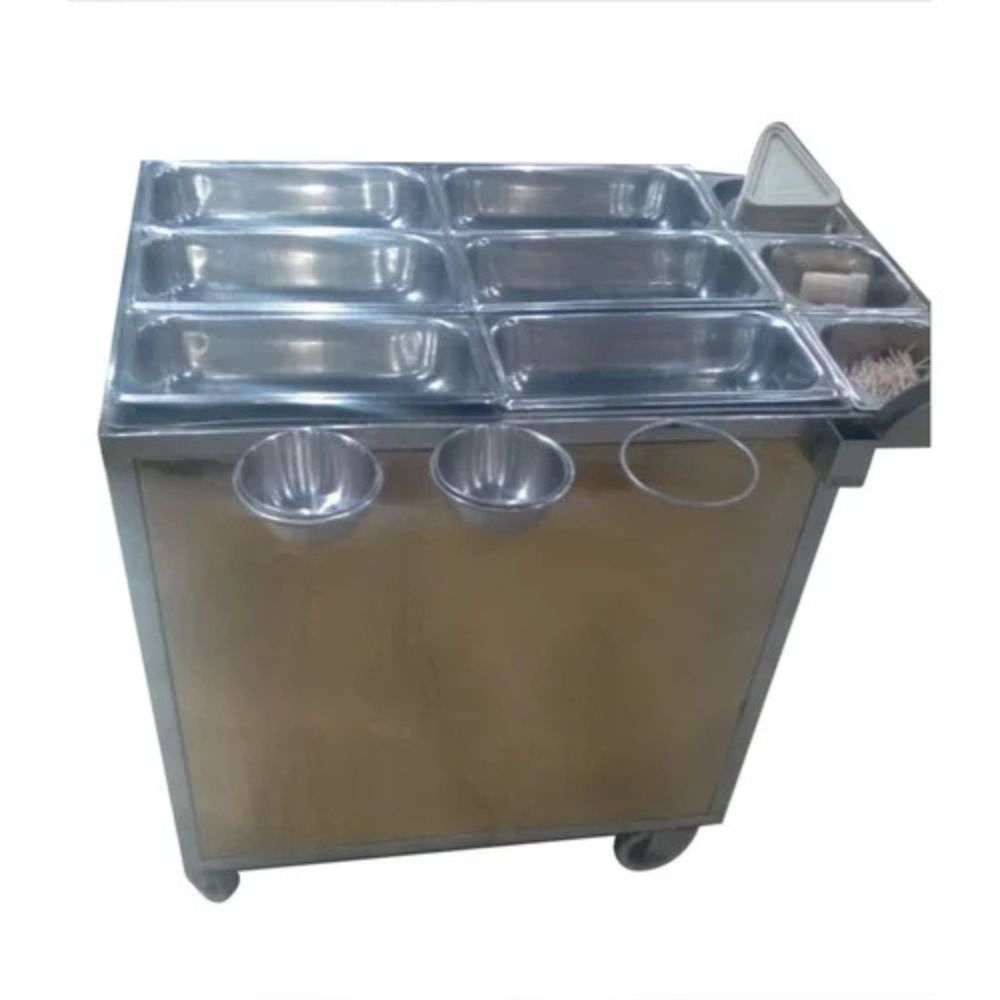
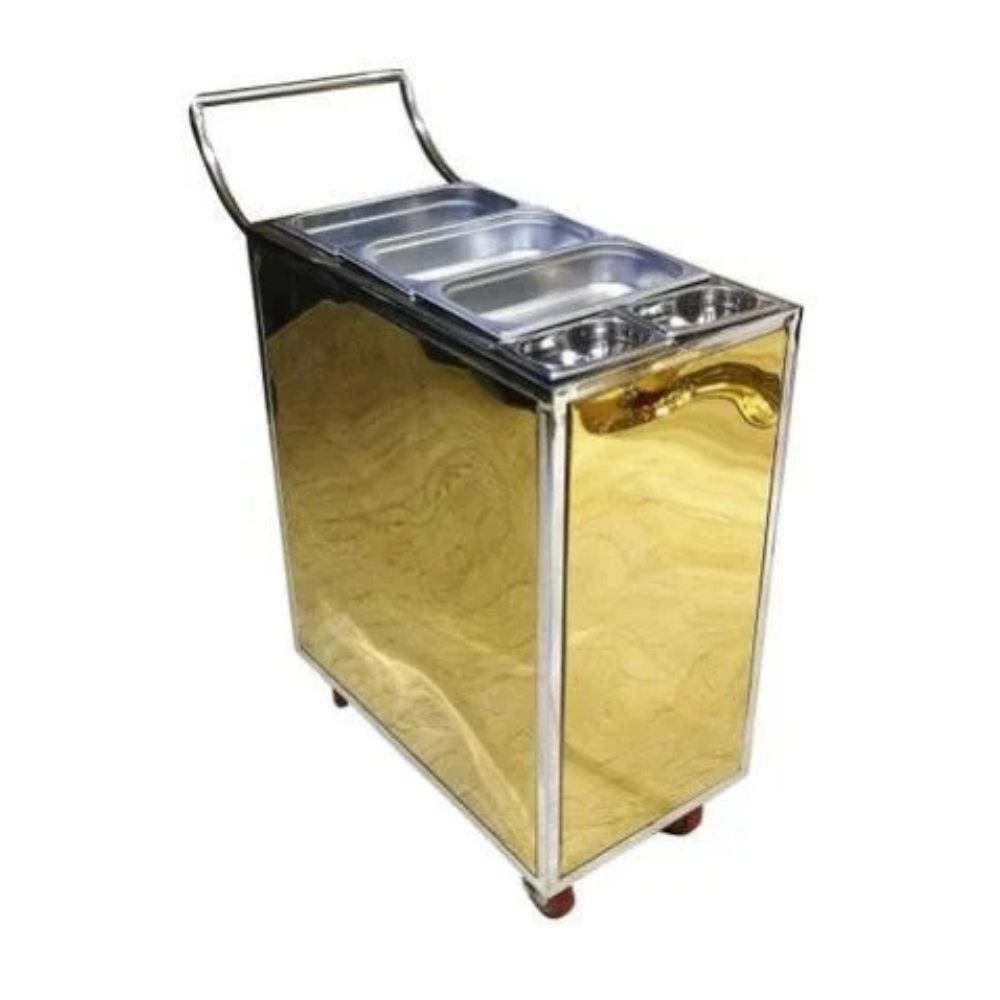
A stainless steel food service cart is an essential piece of equipment for hotels, cafs, and catering businesses that require efficient, hygienic, and organized movement of food and service items. In fast-paced hospitality environments, where timing, cleanliness, and presentation are critical, a well-designed food service cart plays a vital role in ensuring smooth daily operations. Its durability, versatility, and professional appearance make it a valuable investment for any food service establishment.
One of the primary advantages of a stainless steel food service cart is its superior construction. Typically made from high-quality stainless steel such as SS 304 or SS 201, these carts are built to withstand the demanding conditions of commercial kitchens. Stainless steel is known for its resistance to rust, corrosion, and staining, making it ideal for environments exposed to moisture, heat, and frequent cleaning. The non-reactive nature of the material ensures that it does not affect the quality or safety of food, which is a crucial requirement in the hospitality industry.
Durability is a key feature that makes stainless steel food service carts stand out. These carts are designed with strong frames, reinforced joints, and thick gauge metal to handle continuous use and heavy loads. Whether transporting multiple trays of food, beverages, utensils, or kitchen equipment, a well-built cart maintains its structural integrity over time. This long-lasting performance reduces maintenance costs and eliminates the need for frequent replacements, making it a cost-effective solution for businesses.
The multi-tier design of food service carts enhances their functionality and efficiency. Most carts come with two, three, or more shelves, allowing staff to organize items systematically. For example, one shelf can be used for serving dishes, another for beverages, and a third for used utensils or waste. This organized approach not only improves workflow but also helps maintain hygiene by preventing cross-contamination. The shelves are often designed with raised edges or guard rails to ensure that items remain secure during movement.
Mobility is another crucial aspect of stainless steel food service carts. Equipped with high-quality swivel castor wheels, these carts can be moved smoothly across various surfaces, including tiled floors, wooden surfaces, and carpets. The 360-degree rotation capability allows for easy maneuvering in tight spaces, such as narrow kitchen aisles or crowded dining areas. Many carts also feature lockable wheels, which provide stability when the cart is stationary, ensuring safety during loading, unloading, or serving.
Hygiene is of utmost importance in hotels, cafs, and catering businesses, and stainless steel food service carts are designed to meet strict cleanliness standards. The smooth, non-porous surface of stainless steel prevents the accumulation of dirt, bacteria, and food particles. This makes cleaning quick and easy, requiring only a simple wipe with a damp cloth or mild detergent. Maintaining a clean cart is essential for ensuring food safety and complying with health regulations, especially in high-volume service environments.
Ergonomic design further enhances the usability of these carts. They are equipped with sturdy handles that provide a comfortable grip, allowing staff to push or pull the cart with minimal effort. The height and structure are carefully designed to reduce strain on the user, making it easier to handle heavy loads over long distances. This not only improves efficiency but also reduces the risk of fatigue and injury among employees, contributing to a safer workplace.
Stainless steel food service carts are widely used across different sectors of the hospitality industry. In hotels, they are essential for room service, housekeeping, and banquet operations. In cafs, they help in serving beverages, snacks, and clearing tables efficiently. Catering businesses rely heavily on these carts for transporting food and equipment during events, weddings, and outdoor functions. Their ability to handle multiple tasks makes them an indispensable tool in any food service setup.
Another major advantage of these carts is their versatility. In addition to transporting food, they can be used for carrying kitchen equipment, storing utensils, or moving cleaning supplies. Some models come with additional features such as detachable trays, side racks, or enclosed compartments, providing added convenience and functionality. This adaptability allows businesses to use a single cart for multiple purposes, maximizing its value.


 Send Inquiry




 Send Inquiry
 Send Inquiry
 Send SMS


 English
 Spanish
 French
 German
 Italian
 Chinese (Simplified)
 Japanese
 Korean
 Arabic
 Portuguese