Plastic Partition Tray Plate for Mess Serving Rice, Dal, Sabzi and Roti in Canteens About
A plastic partition tray plate for mess serving rice, dal, sabzi, and roti in canteens is an essential and highly practical solution for organized and efficient food service in large-scale dining environments. In places such as schools, colleges, hostels, industrial canteens, hospitals, and corporate cafeterias, where hundreds of meals are served daily, these trays play a vital role in maintaining hygiene, portion control, and smooth serving operations. Designed with functionality and durability in mind, they are a reliable choice for both staff and users.
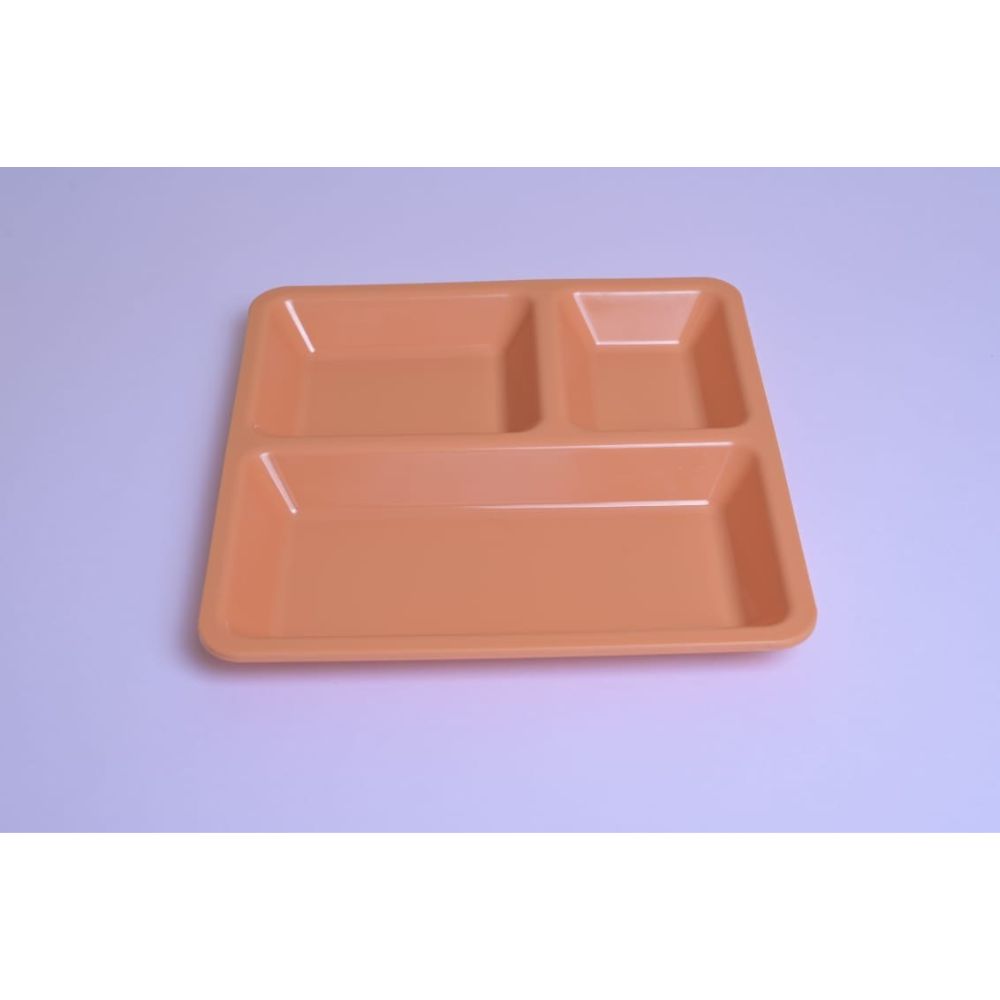
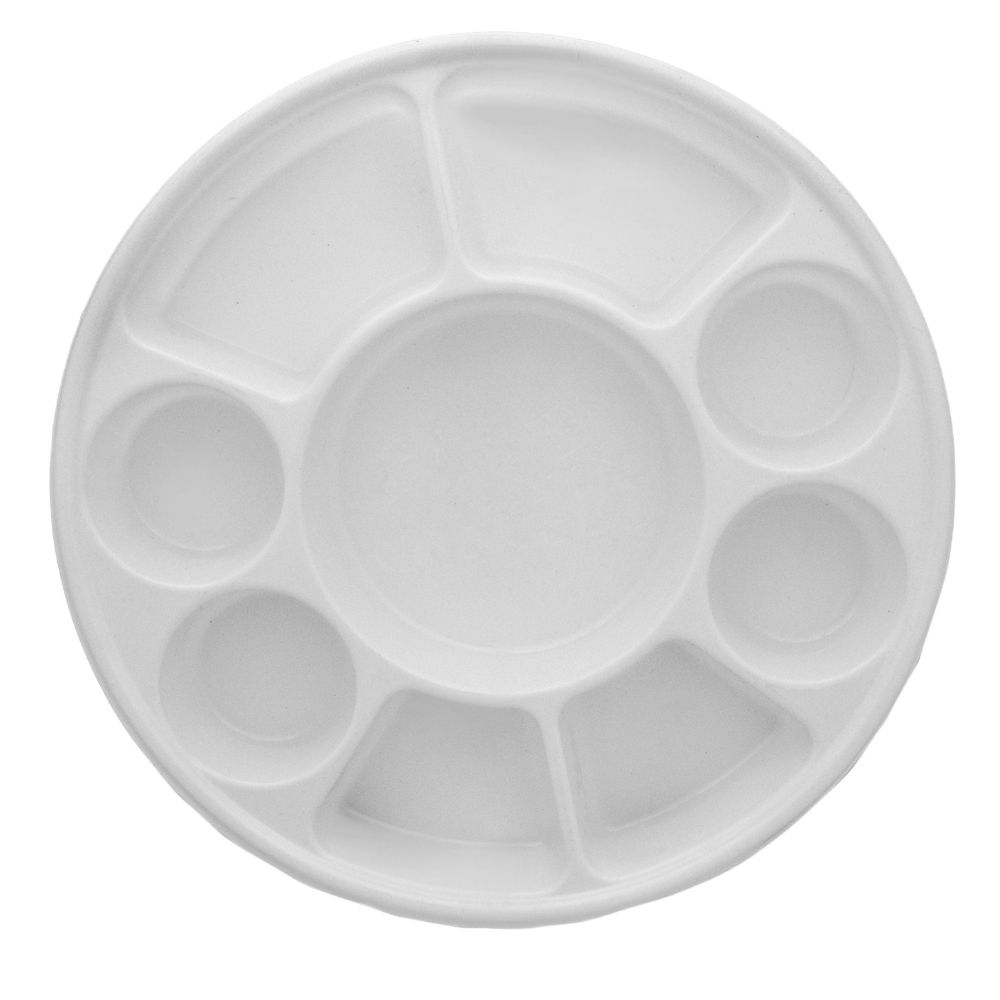
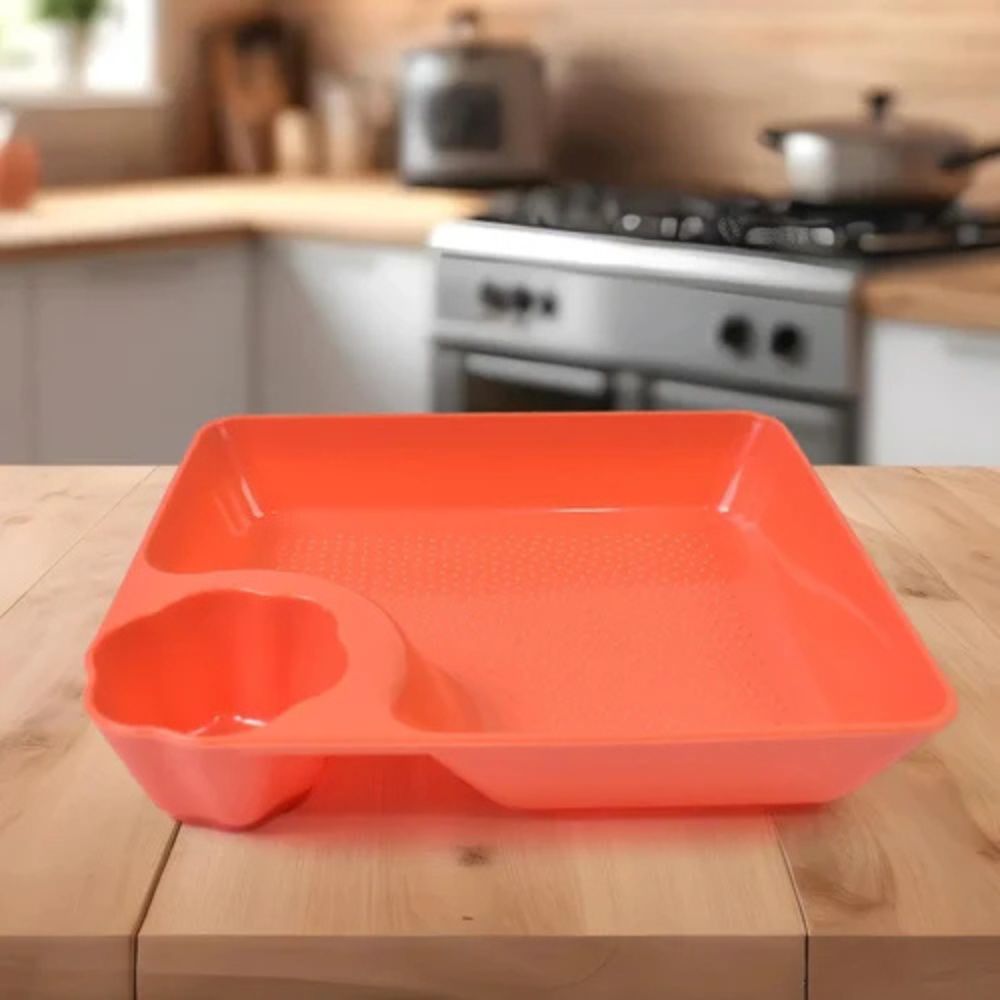
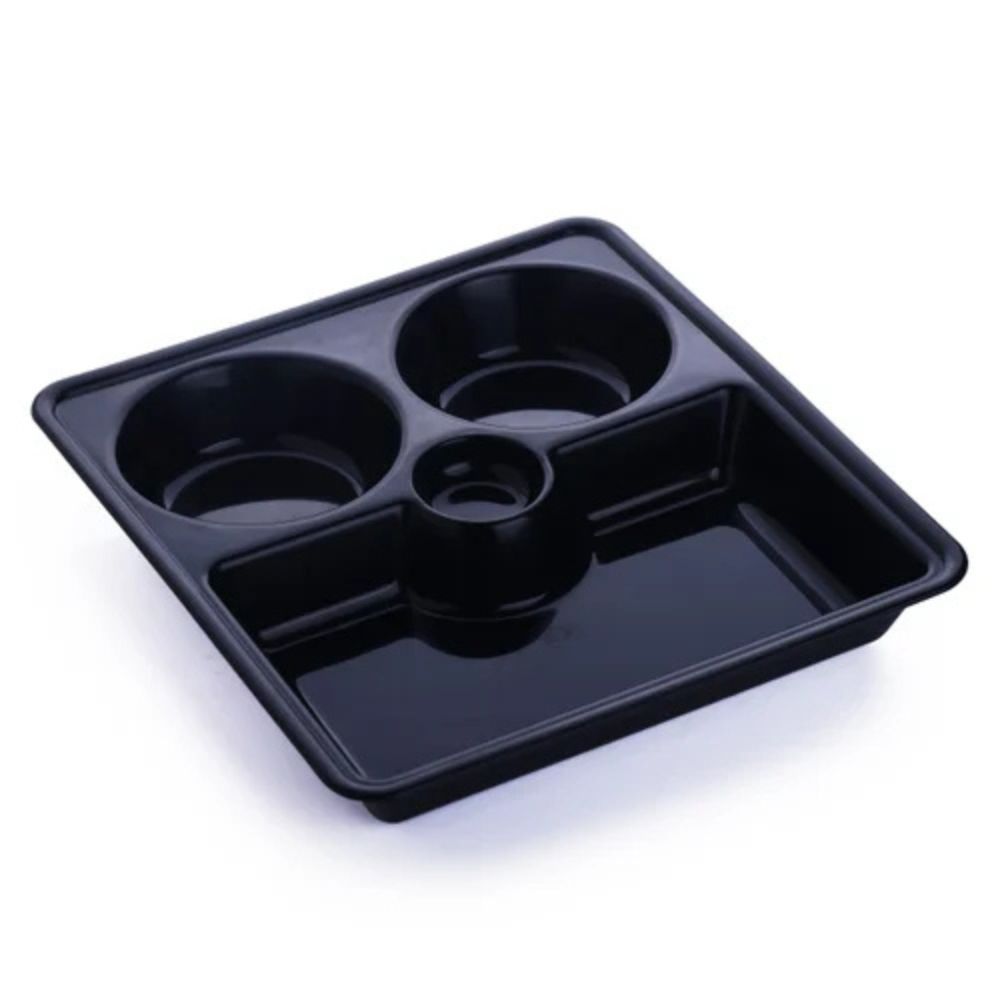
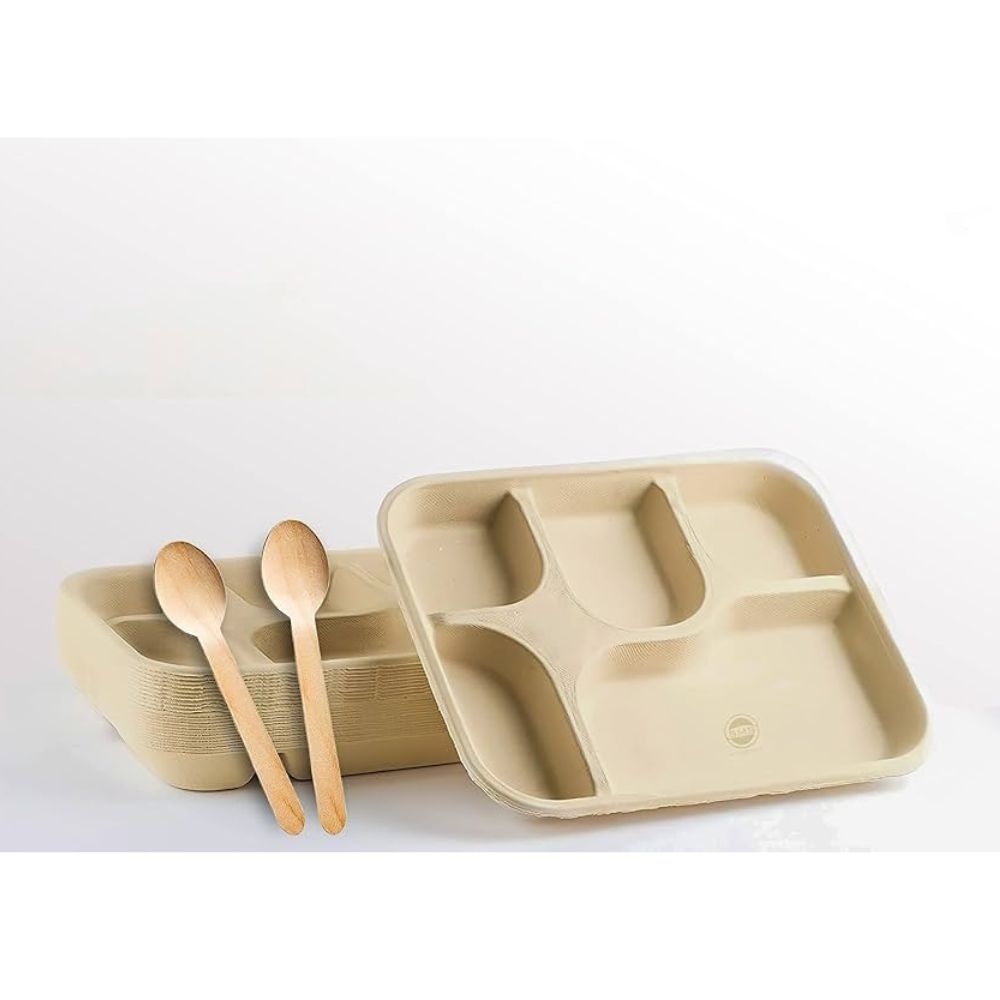
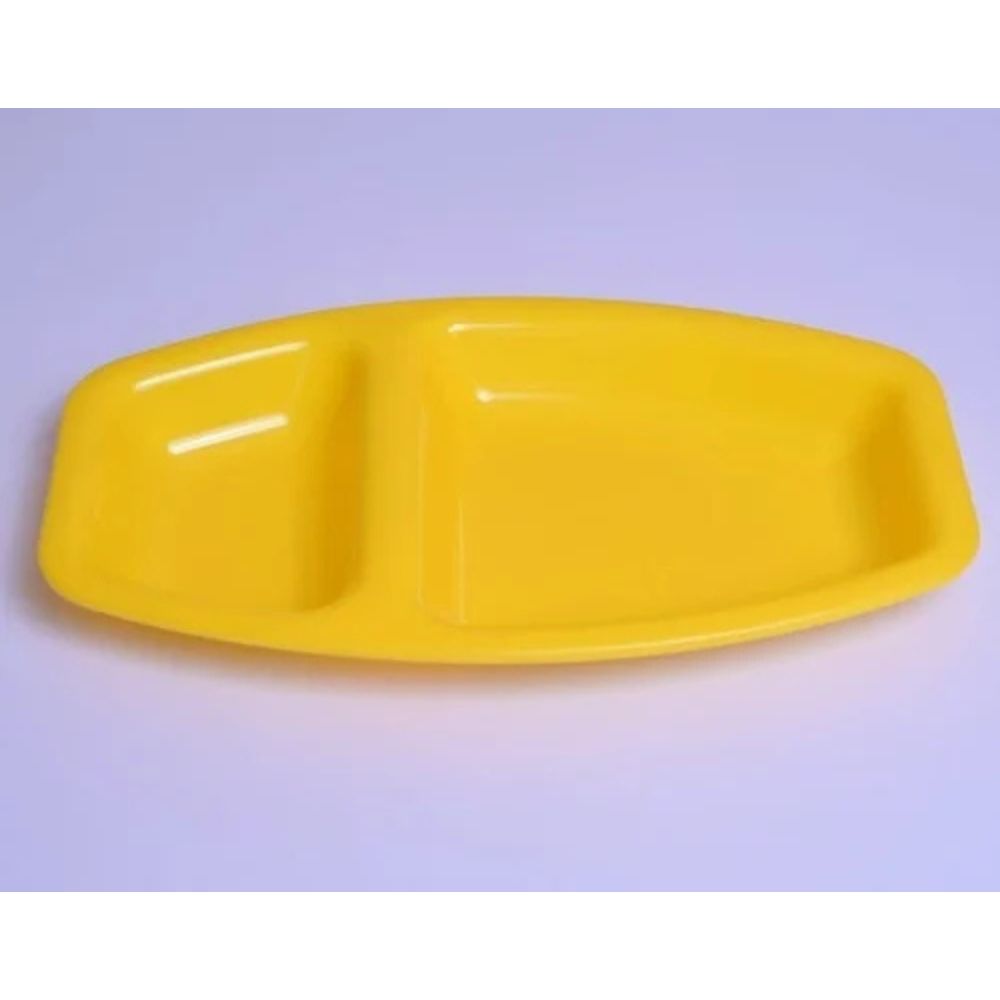
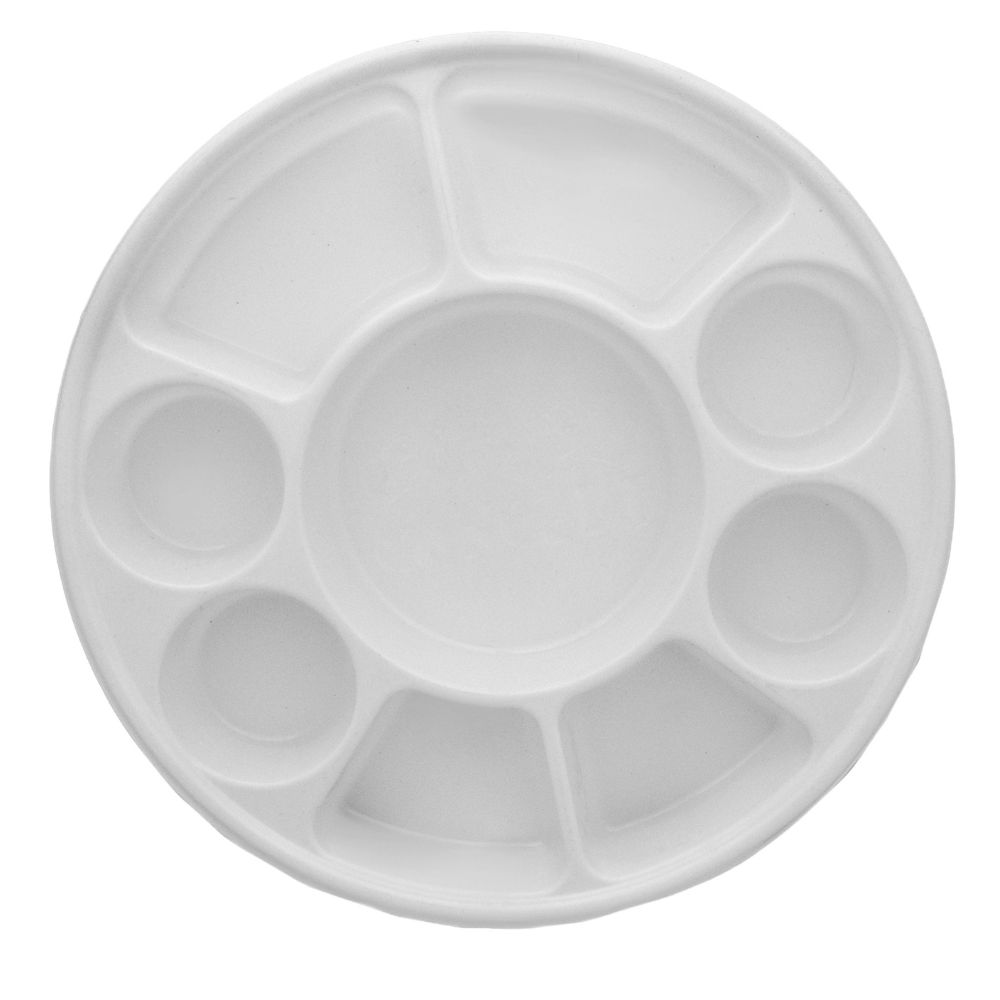
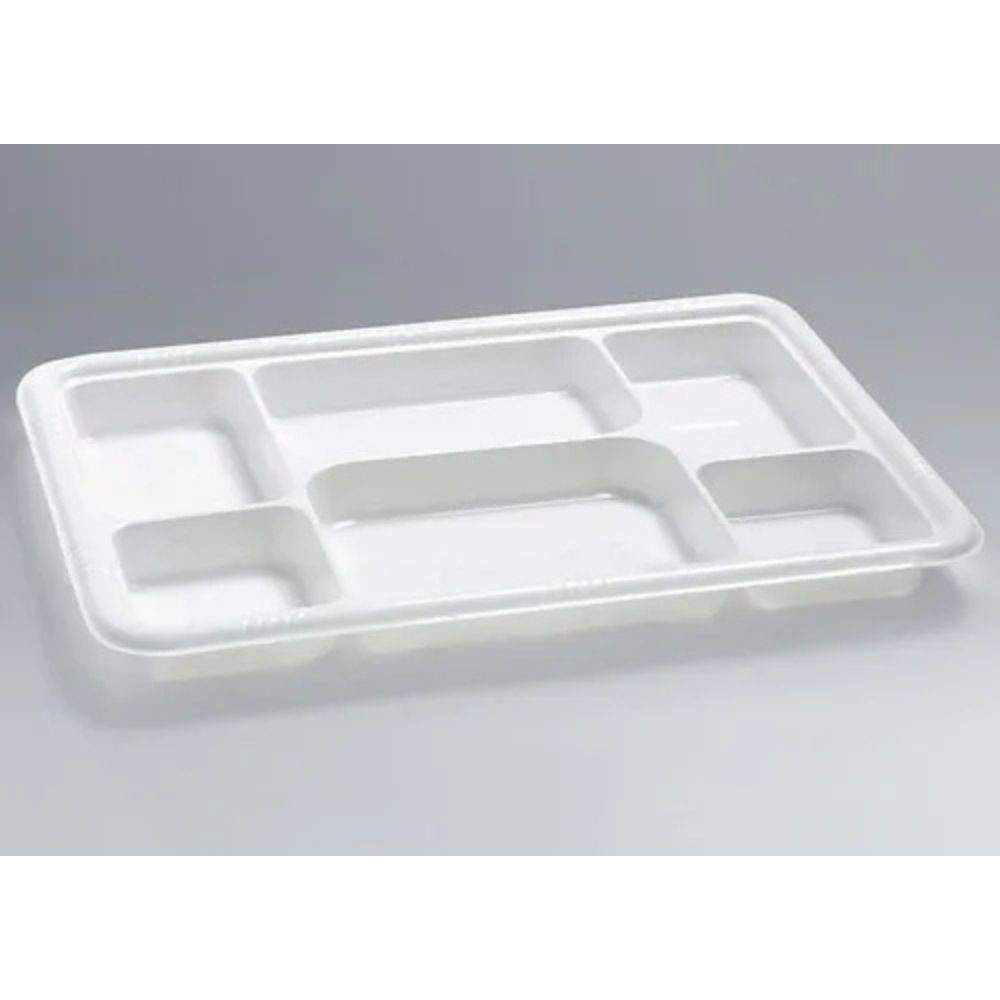
The most defining feature of a plastic partition tray plate is its compartmentalized design. The tray is divided into multiple sections, each meant to hold a specific food item. Typically, one compartment is used for rice, another for dal, a third for sabzi, and a separate section for roti. Some trays also include additional spaces for salad, pickle, chutney, or dessert. This structured arrangement ensures that all food items remain separate, preserving their taste, texture, and presentation. It also enhances the visual appeal of the meal, making it more enjoyable for users.
These trays are manufactured using high-quality, food-grade plastic that is safe for everyday use. The material is non-toxic, odorless, and resistant to stains, ensuring that it does not affect the quality or taste of the food. It is also capable of handling moderately hot food, making it suitable for serving freshly prepared meals such as dal and sabzi. This heat resistance ensures that the tray maintains its shape and integrity even under regular use in busy canteens.
Durability is one of the key advantages of plastic partition tray plates. They are designed to withstand frequent handling, washing, and stacking without cracking or breaking. The sturdy construction ensures that the tray can carry a full meal without bending or losing its shape. Reinforced edges and a strong base add to their durability, making them suitable for high-volume food service operations. This long-lasting performance reduces the need for frequent replacements, making them a cost-effective investment.
Despite their robust construction, these trays are lightweight and easy to handle. This makes them ideal for self-service environments where users need to carry their meals from the serving counter to their seating area. The lightweight design ensures that students, workers, and patients can use them comfortably without strain. The ergonomic shape and smooth edges provide a secure grip, reducing the chances of accidental slips or spills.
Hygiene is a critical aspect of any food service setup, and plastic partition trays are designed to meet high cleanliness standards. The smooth and non-porous surface prevents food particles, liquids, and odors from being absorbed, reducing the risk of bacterial growth. Cleaning the trays is quick and easy, as they can be washed with regular detergents and water. In large kitchens, they can also be cleaned using dishwashing machines, saving time and effort. Their quick-drying nature ensures that they are ready for reuse in a short time, supporting continuous service operations.
The raised edges and deep compartments of the tray help prevent spills and maintain cleanliness. This is particularly important when serving liquid items such as dal or curry. The design ensures that food remains contained within its designated section, minimizing mess and making it easier for users to carry their meals without inconvenience. This spill-resistant feature also helps maintain a clean and organized dining environment.
Another important advantage of these trays is their stackable design. They can be easily stacked one on top of another, allowing for efficient storage and saving valuable space in kitchens and storage areas. This is especially beneficial in institutions where large numbers of trays need to be managed. Stackability also simplifies transportation, enabling staff to move multiple trays at once during serving and cleaning.
From an operational perspective, plastic partition tray plates significantly improve efficiency in food service. By allowing multiple food items to be served on a single tray, they reduce the need for additional plates and bowls. This simplifies the serving process, saves time, and reduces the workload for staff. In busy canteens, such efficiency is essential for ensuring that meals are served quickly and without delays. The organized layout also helps maintain consistent portion sizes, which is important for both cost control and nutritional balance.
Cost-effectiveness is another major benefit of these trays. Their durable construction ensures a long lifespan, reducing the need for frequent replacements. This results in significant savings over time, particularly for institutions that require large quantities of serving trays. Additionally, their low maintenance requirements further contribute to their economic value.


 Send Inquiry



 Send Inquiry
 Send Inquiry
 Send SMS
 Call Me Free


 English
 Spanish
 French
 German
 Italian
 Chinese (Simplified)
 Japanese
 Korean
 Arabic
 Portuguese