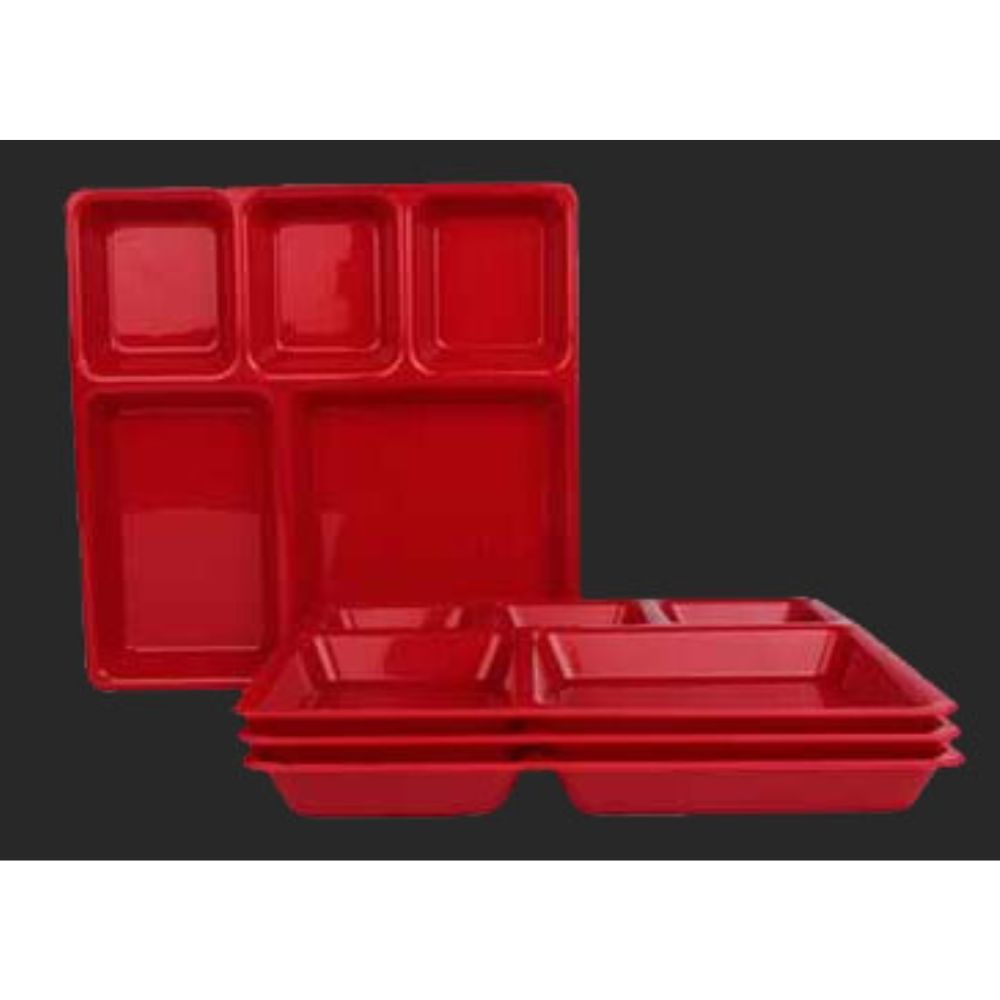
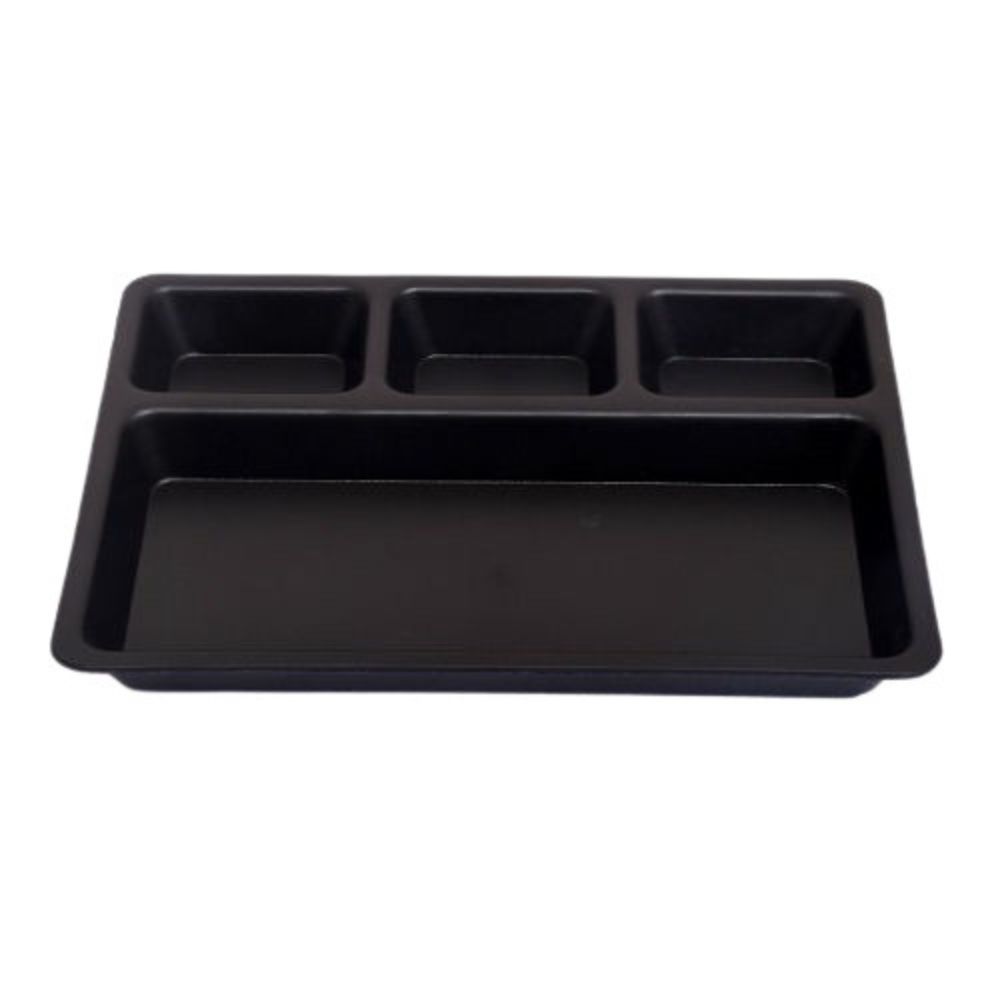
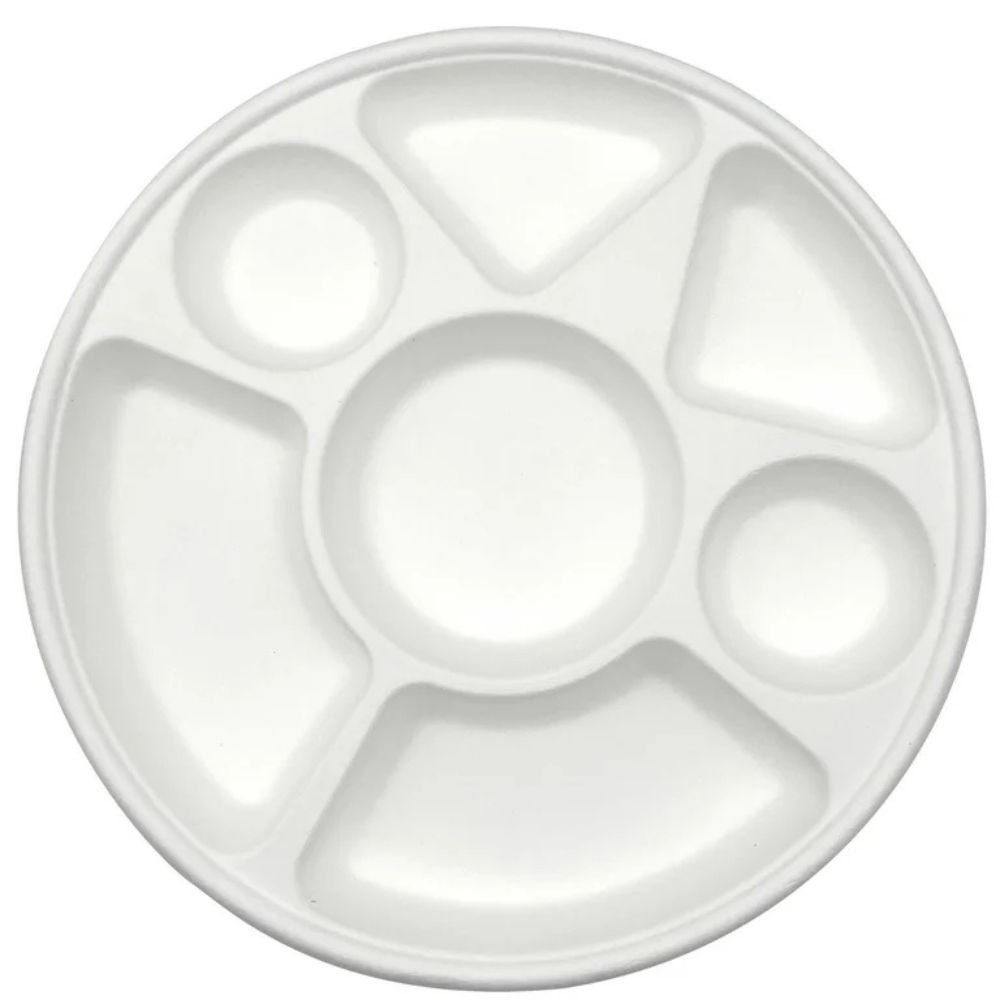
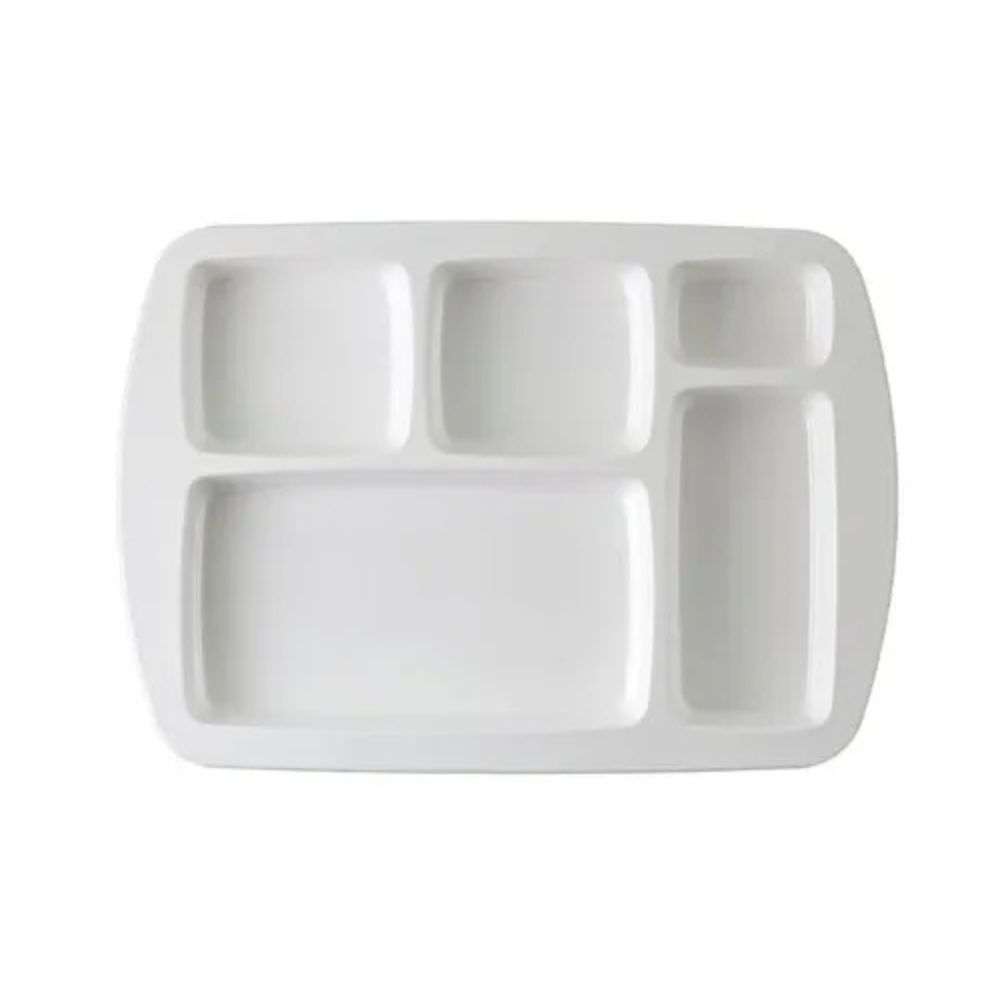
A premium plastic compartment tray plate for mess food serving with a durable and lightweight design is an essential solution for modern food service environments where efficiency, hygiene, and convenience are key priorities. Widely used in hostels, schools, colleges, industrial canteens, hospitals, and corporate cafeterias, these trays are designed to handle high-volume meal distribution while ensuring a clean and organized dining experience. Their thoughtful construction and practical features make them a reliable choice for both service providers and users.
One of the most important aspects of a premium plastic compartment tray plate is its high-quality material. These trays are manufactured using food-grade plastic that is safe, non-toxic, and odorless. This ensures that the tray does not affect the taste or quality of the food being served. The material is also resistant to stains and moisture, allowing the tray to maintain its cleanliness and appearance even after repeated use. It is suitable for serving a variety of food items, including hot meals such as rice, dal, vegetables, and curries.
Durability is a defining feature of premium plastic trays. They are designed with a strong and sturdy structure that can withstand the demands of daily use in busy mess facilities. The reinforced edges and solid base prevent cracking, bending, or breaking, even when the tray is fully loaded. This makes them ideal for environments where trays are handled frequently and subjected to rough usage. Their long-lasting performance reduces the need for frequent replacements, making them a cost-effective investment.
Despite their robust construction, these trays are lightweight and easy to handle. This combination of strength and lightness enhances user convenience, especially in self-service setups. Students, employees, and patients can carry their meals comfortably without feeling burdened. The lightweight design also benefits staff members, as it reduces physical strain during serving and handling of large quantities of trays.
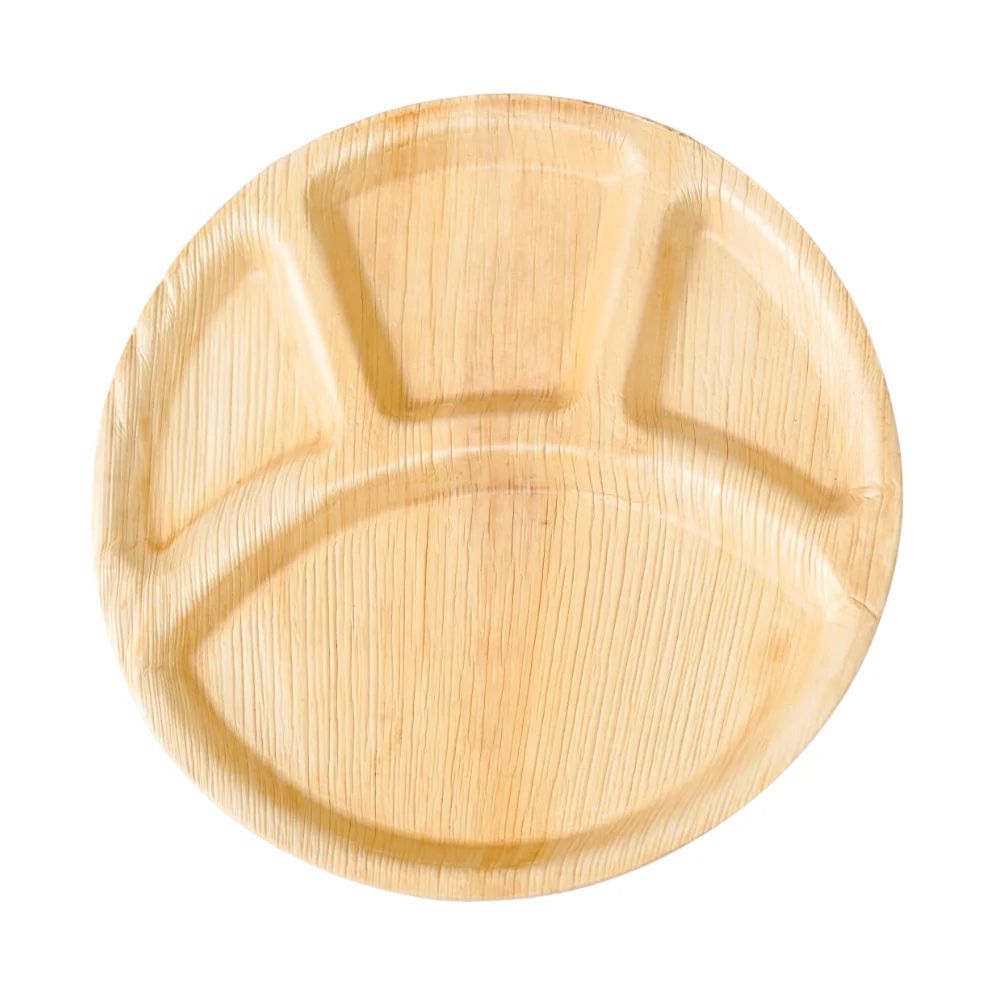
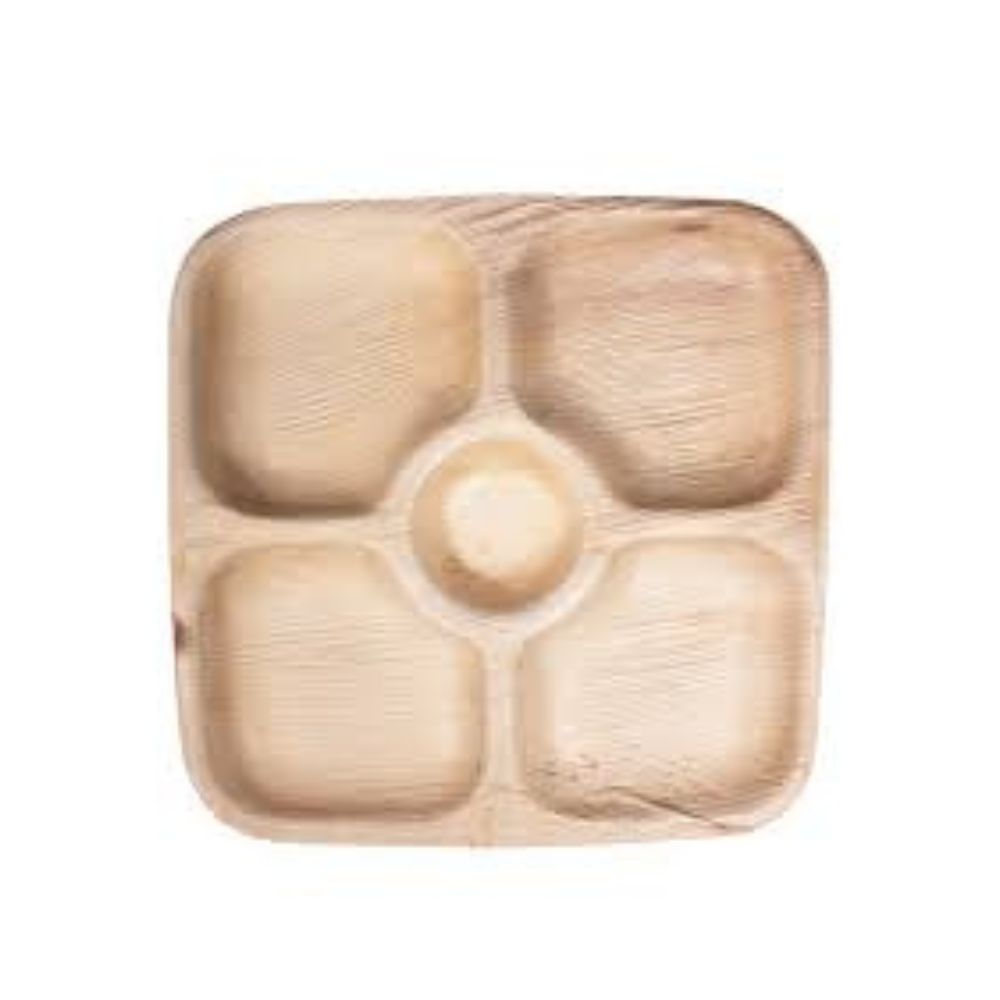
The compartmentalized design of the tray plate is one of its most practical features. Divided into multiple sections, the tray allows different food items to be served separately. This ensures that flavors do not mix and that each dish retains its original taste and texture. Typically, one compartment is used for rice or roti, another for dal or curry, and additional sections for vegetables, salad, or dessert. This organized layout not only improves presentation but also supports portion control, which is important in institutional food service.
Another advantage of the compartment design is its role in maintaining cleanliness and preventing spills. The sections are designed with adequate depth and are complemented by raised edges that help contain food within each compartment. This is particularly useful when serving liquid items such as dal or curry, as it minimizes the risk of leakage. Users can carry their trays confidently without worrying about spills, which enhances the overall dining experience.
Hygiene is a critical factor in any food service operation, and premium plastic compartment trays are designed to meet high standards of cleanliness. The smooth and non-porous surface prevents food particles and liquids from being absorbed, reducing the risk of bacterial growth. Cleaning these trays is quick and easy, as they can be washed with regular detergents and water. In large kitchens, they can also be cleaned using dishwashing machines, saving time and effort. Their quick-drying nature ensures that they are ready for reuse in a short time, supporting continuous service.
The stackable design of these trays adds to their practicality. They can be easily stacked on top of one another, allowing for efficient storage and saving valuable space in kitchens and storage areas. This feature is particularly useful in institutions where large numbers of trays need to be managed. Stackability also simplifies transportation, making it easier to handle bulk quantities during busy service hours.


 Send Inquiry





 Send Inquiry
 Send Inquiry
 Send SMS


 English
 Spanish
 French
 German
 Italian
 Chinese (Simplified)
 Japanese
 Korean
 Arabic
 Portuguese